5 Melanoma Warning Signs Everyone Should Know
Facts:
- Melanoma rates have been rising for 30 years.
- Early detection is crucial for melanoma survival rates.
Decoding the ABCDEs: Your Guide to Melanoma Detection
Knowing what to look for on your skin is the first line of defense against melanoma, the most serious type of skin cancer. Regular self-examinations can help you identify potential issues early. This guide focuses on the critical 5 melanoma warning signs, often remembered by the ABCDE acronym, which are essential for recognizing suspicious moles. Understanding these melanoma symptoms can empower you to seek timely medical advice and significantly improve outcomes. It's vital to be familiar with these key skin cancer warning signs.
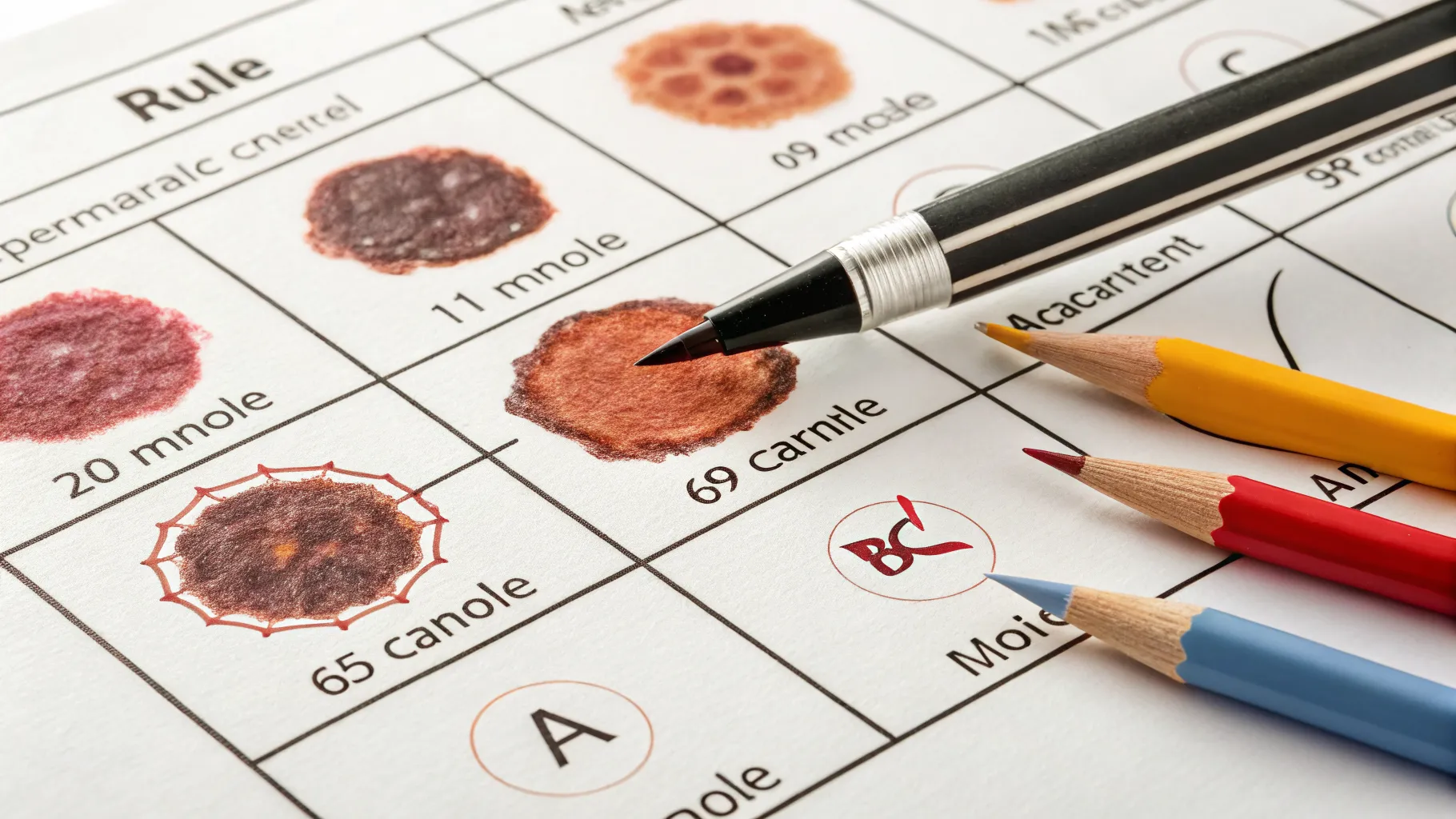
The 5 Melanoma Warning Signs You Must Not Ignore
A is for Asymmetry
One of the most important melanoma warning signs is asymmetry. Imagine drawing a line through the middle of a mole. If the two halves do not match, it's considered asymmetrical. Benign (non-cancerous) moles are typically symmetrical and round. An asymmetrical mole is a significant red flag among the early signs of melanoma and should be examined by a dermatologist. This irregularity in shape is a key differentiator when you are checking for potential skin cancer warning signs on your body.
B is for Border
The border of an early melanoma tends to be uneven. The edges may be scalloped, notched, or blurred. In contrast, common moles usually have smoother, more even borders. A poorly defined or irregular border is one of the classic 5 melanoma warning signs. When inspecting a mole, pay close attention to its perimeter. This characteristic is a crucial part of identifying potential melanoma symptoms and warrants a professional evaluation to rule out malignancy.
C is for Color
A mole with a variety of colors is another warning signal. While benign moles are usually a single shade of brown, a melanoma may have different shades of brown, tan, or black. It could also become red, white, or blue. The presence of multiple colors within a single lesion is a very suspicious sign. This variegation in color is one of the most distinct melanoma warning signs. If you notice a mole with inconsistent coloring, it's time to consult a doctor about these potential early signs of melanoma.
D is for Diameter
Melanomas are usually larger in diameter than the size of a pencil eraser (about 6 millimeters or ¼ inch), although they can be smaller when first detected. It's important to monitor all your moles, but be especially watchful of those that are larger than 6mm. While size alone isn't a definitive sign, when combined with other melanoma symptoms like asymmetry or color variation, it becomes a significant concern. This is a key component of the 5 melanoma warning signs checklist.
E is for Evolving
Any change in an existing mole's size, shape, color, or elevation—or any new symptom such as bleeding, itching, or crusting—points to danger. This evolution, or change, is a critical sign of melanoma. A mole that looks different from the others on your skin (known as the 'ugly duckling' sign) should also be checked. Tracking these changes is perhaps the most important of all the skin cancer warning signs. If a mole is evolving, it's one of the most critical early signs of melanoma that requires immediate medical attention.
How to Perform a Monthly Skin Self-Exam
Beyond knowing the 5 melanoma warning signs, proactive monitoring is key. A monthly self-exam helps you become familiar with your skin and spot changes early. Here is how to do it effectively:
- Use a Full-Length Mirror: Start by examining your body in a full-length mirror. Check your front and back, then raise your arms and look at your right and left sides. Familiarity with your skin's baseline is essential for spotting new or changing melanoma warning signs.
- Check Hard-to-See Areas: Use a hand mirror to inspect the back of your neck and scalp. Part your hair to get a clear view. Don't forget to check your back and buttocks. These are common places where early signs of melanoma can go unnoticed.
- Examine Your Hands and Feet: Carefully check your palms and soles, the spaces between your fingers and toes, and underneath your nails. Acral lentiginous melanoma, a rare form, often appears in these locations. These are important skin cancer warning signs to look for.
- Document Your Moles: Take photos of your moles and date them. This creates a visual record that helps you track any evolution over time, which is a key one of the melanoma symptoms.
Frequently Asked Questions
What are the most common melanoma symptoms?
The most common melanoma symptoms are a new mole or a change in an existing mole. The change could be in size, shape, or color. Itching, bleeding, or crusting of a mole are also important warning signs. Following the ABCDE guide is the best way to identify suspicious lesions.
How often should I check for early signs of melanoma?
Dermatologists recommend performing a skin self-exam once a month. This regular check helps you stay familiar with your skin's pattern of moles, freckles, and other marks, making it easier to spot the early signs of melanoma if they appear.
Are the 5 melanoma warning signs the only thing to look for?
While the ABCDEs cover the primary 5 melanoma warning signs, you should also be aware of the 'ugly duckling' sign. This refers to any mole that looks different from the others on your body. If one spot stands out, it's worth getting it checked, even if it doesn't fit the other criteria perfectly.
References
- American Academy of Dermatology Association
- The Skin Cancer Foundation
- National Cancer Institute