5 Foods That May Help Support Brain Health and Fight Dementia
As research continues to explore the connection between diet and cognitive health, certain foods have emerged as powerful allies for the brain. Incorporating specific nutrient-dense foods into your regular eating habits may help protect brain cells, reduce inflammation, and support memory and thinking skills over the long term. This guide focuses on five types of food that studies suggest are particularly beneficial for brain health.
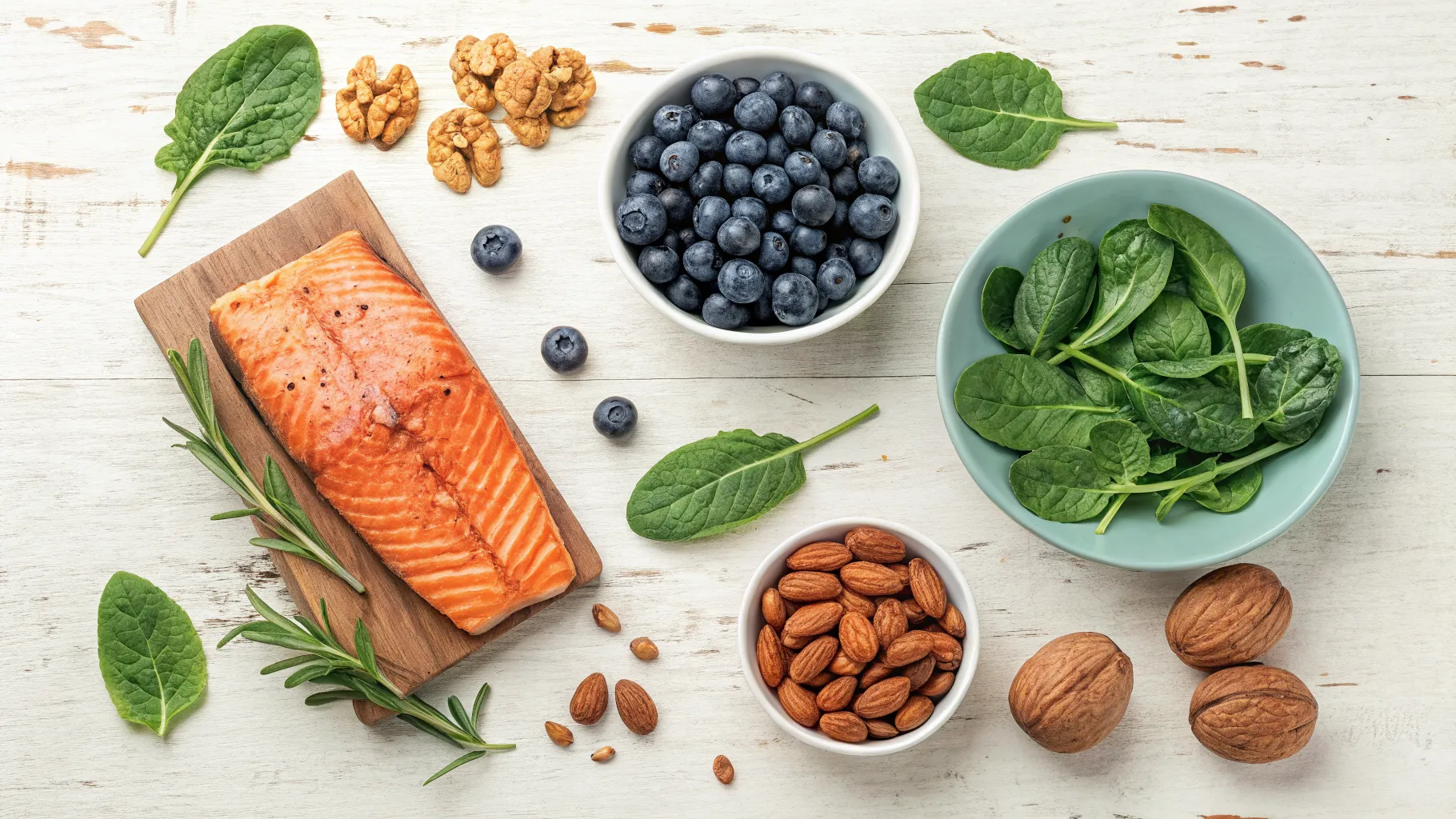
Leafy Green Vegetables
Vegetables like kale, spinach, collards, and broccoli are packed with nutrients that are vital for brain health. They are rich sources of vitamin K, lutein, folate, and beta carotene. Research suggests these nutrients may help slow cognitive decline. For example, vitamin K is involved in the formation of sphingolipids, a type of fat that is densely packed into brain cell membranes.
Integrating these greens into your diet is simple. You can use them as the base for a hearty salad, blend them into a morning smoothie, or sauté them with garlic and olive oil as a side dish for dinner. Even adding a handful of spinach to soups, stews, or omelets can boost your intake of these important brain-supportive nutrients.
Fatty Fish
When people talk about brain food, fatty fish is often at the top of the list. This is because oily fish are abundant sources of omega-3 fatty acids. About 60 percent of your brain is made of fat, and half of that fat is the omega-3 type. Your brain uses omega-3s to build brain and nerve cells, and these fats are essential for learning and memory.
To get the benefits, it's recommended to eat fish at least twice a week. Focus on varieties that are low in mercury but high in omega-3s, such as:
- Salmon
- Cod
- Canned light tuna
- Pollock
- Sardines
Berries
Berries of all colors, especially deep-hued ones like blueberries, contain flavonoids, which are natural plant pigments that give them their brilliant hues. Studies have found that flavonoids are powerful antioxidants and anti-inflammatory compounds. Antioxidants help by reducing inflammation and oxidative stress, which are contributing factors to brain aging and neurodegenerative disorders.
The flavonoids in berries have been shown to help improve communication between brain cells, which can lead to improved memory. Enjoy a handful of fresh berries as a snack, add them to your morning oatmeal or yogurt, or blend them into a smoothie. Frozen berries are just as nutritious as fresh ones, making them a great option year-round.
Nuts and Seeds
Nuts and seeds are excellent sources of vitamin E, a potent antioxidant that protects cells from oxidative stress caused by free radicals. As we age, our brains are more susceptible to this type of stress, and adequate vitamin E intake may support cognitive health. A handful of nuts or seeds a day can provide a significant amount of this vital nutrient.
Walnuts are particularly beneficial as they also contain a high concentration of omega-3 fatty acids. Almonds, hazelnuts, sunflower seeds, and flaxseeds are other great choices. You can sprinkle them over a salad, mix them into yogurt, or simply enjoy them on their own as a satisfying and healthy snack.
Turmeric
This deep yellow spice, a key ingredient in curry powder, has generated a lot of buzz in health circles. The active compound in turmeric is curcumin, which has been shown to cross the blood-brain barrier, meaning it can directly enter the brain and benefit the cells there. Curcumin is a strong anti-inflammatory agent and antioxidant.
Some research suggests curcumin may help clear the amyloid plaques that are a hallmark of certain neurodegenerative conditions. While more studies are needed, its potential benefits are promising. To incorporate turmeric into your diet, you can add it to curries, soups, and vegetable dishes. Combining it with black pepper can enhance the absorption of curcumin significantly.
The Importance of a Balanced Diet
While these five foods are powerhouses of nutrition for the brain, it is important to remember that no single food can act as a magic bullet. The greatest benefit comes from a consistently healthy eating pattern that is rich in a variety of fruits, vegetables, whole grains, and healthy fats. Diets like the Mediterranean diet or the MIND diet (Mediterranean-DASH Intervention for Neurodegenerative Delay) emphasize these principles.
These dietary patterns focus on whole, unprocessed foods and limit the intake of red meat, sweets, and processed items. By adopting a holistic approach to your nutrition, you provide your brain with the wide range of nutrients it needs to function optimally and stay healthy for years to come. Combining a healthy diet with regular exercise, sufficient sleep, and social engagement offers the most comprehensive strategy for supporting long-term cognitive health.