5 Foods to Fight Dementia: A Guide to Foods for Brain Health
Facts:
- Diet choices directly impact long-term brain health.
- Growing consumer interest in dementia prevention foods for wellness.
Nourishing Your Mind: The Ultimate Foods for Cognitive Health
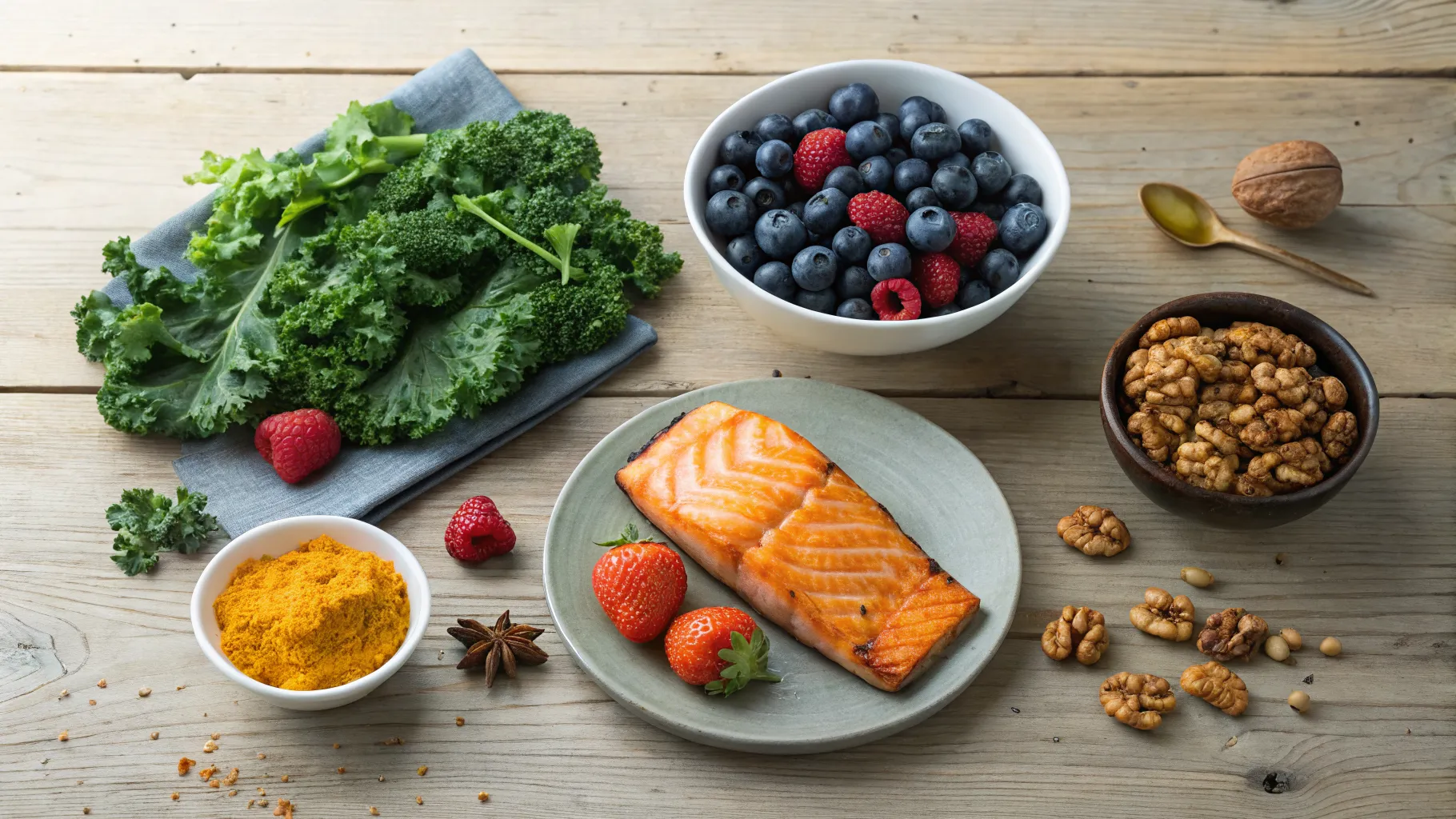
As global populations age, the focus on maintaining cognitive function has never been more critical. The link between diet and brain health is a field of intense research, revealing that specific nutrients can play a pivotal role in protecting our minds against age-related decline. Incorporating certain foods for brain health into your daily routine is a proactive, powerful strategy. These aren't just meals; they are investments in your future cognitive resilience. Understanding which dementia prevention foods offer the most benefit can empower you to make informed choices that support memory, focus, and overall neurological well-being for years to come.
1. Leafy Green Vegetables
Leafy greens like spinach, kale, collards, and arugula are powerhouse brain healthy foods. They are packed with essential nutrients such as vitamin K, lutein, folate, and beta-carotene, all of which are linked to slower cognitive decline. For instance, vitamin K is involved in the synthesis of sphingolipids, a type of fat that is densely packed into brain cell membranes. Lutein, a potent antioxidant, is believed to reduce inflammation in the brain. Making it a goal to have at least one serving of leafy greens per day is one of the most effective ways to consume these crucial foods for cognitive health.
2. Berries
Berries, especially dark-colored ones like blueberries, blackberries, and cherries, are renowned for their high concentration of flavonoids, the natural pigments that give them their vibrant hues. These compounds have powerful antioxidant and anti-inflammatory effects. Research suggests that the flavonoids in berries can help improve communication between brain cells, reduce inflammation, and enhance plasticity, which helps brain cells form new connections, boosting learning and memory. Including a cup of mixed berries in your diet several times a week is a delicious way to consume these top 5 foods to fight dementia.
3. Fatty Fish
When discussing foods for brain health, fatty fish is almost always at the top of the list. Varieties like salmon, mackerel, tuna, and sardines are rich in omega-3 fatty acids, particularly docosahexaenoic acid (DHA). The brain is composed of about 60% fat, and half of that fat is the omega-3 type. Your brain uses omega-3s to build brain and nerve cells, and these fats are essential for learning and memory. A deficiency in omega-3s is linked to learning impairments and a higher risk of neurodegenerative diseases. Aiming for at least two servings of fatty fish per week provides a substantial amount of these vital dementia prevention foods.
4. Nuts and Seeds
Nuts and seeds are excellent sources of vitamin E, a powerful antioxidant that protects cells from oxidative stress caused by free radicals. As we age, our brain is particularly susceptible to this type of damage. A study found that high intake of vitamin E from foods was associated with less cognitive decline. Walnuts are particularly beneficial as they also contain a high concentration of DHA, the omega-3 fatty acid. A handful of walnuts, almonds, flaxseeds, or sunflower seeds daily can make a significant contribution to your intake of these essential brain healthy foods.
5. Turmeric (and Curcumin)
Turmeric, the golden spice used in curry, contains a compound called curcumin. Curcumin is a potent anti-inflammatory agent and antioxidant. It is known to cross the blood-brain barrier, meaning it can directly enter the brain and benefit the cells. It is thought to help memory in Alzheimer's patients by clearing the amyloid plaques that are a hallmark of the disease. While more research is needed, adding turmeric to your cooking or drinking golden milk lattes can be a beneficial part of a diet rich in foods for cognitive health. Pairing it with black pepper can enhance its absorption significantly.
Building a Resilient Brain: How These Foods Work Together
The power of these 5 foods to fight dementia is amplified when they are consumed as part of a consistently healthy dietary pattern, such as the Mediterranean or MIND diet. These diets emphasize whole, unprocessed foods and limit red meat, sweets, and processed items. The synergistic effect of the antioxidants from berries, the omega-3s from fish, and the vitamins from leafy greens creates a robust defense system for your brain. It's not about one 'superfood,' but about a holistic approach to nutrition that prioritizes a wide array of dementia prevention foods to reduce inflammation, combat oxidative stress, and provide the building blocks for a healthy brain structure.
Actionable Steps to Integrate Brain Healthy Foods
- Plan Your Meals: Dedicate one day a week to plan meals that incorporate these foods. A sample day could include oatmeal with berries and walnuts for breakfast, a large spinach salad with grilled salmon for lunch, and a lentil curry with turmeric for dinner.
- Shop Smart: Create a shopping list focused on whole foods. Spend most of your time in the produce section, and choose fatty fish from the seafood counter. Keep a stock of frozen berries and greens for convenience.
- Snack Wisely: Replace processed snacks with a handful of mixed nuts, a piece of fruit, or yogurt with flaxseeds. This is an easy way to add more brain healthy foods to your day without a major overhaul.
- Experiment with Spices: Learn to use spices like turmeric generously in your cooking. It can be added to soups, stews, roasted vegetables, and even smoothies for an anti-inflammatory boost.
Frequently Asked Questions
How often should I eat these foods for brain health?
For optimal benefits, consistency is key. Aim to include leafy greens and nuts daily, berries several times a week, and fatty fish at least twice a week. The goal is to make these foods a regular part of your overall dietary pattern rather than an occasional addition.
Can these dementia prevention foods reverse existing cognitive decline?
While these foods have shown powerful protective effects, there is currently no cure for dementia. A diet rich in these nutrients is primarily a preventative strategy aimed at slowing cognitive decline and reducing the risk of developing neurodegenerative diseases. They support overall brain function but should not be seen as a treatment to reverse established damage.
References
- Journal of Neurology research on diet and cognitive function.
- National Institute on Aging guidelines for brain health.
- Studies on the MIND Diet and its impact on Alzheimer's risk.
- Research on flavonoids and their neuroprotective effects.