5 Foods to Limit or Avoid for Better Bone Health with Osteoporosis
When you're managing osteoporosis, focusing on what to include in your diet, like calcium and vitamin D, is essential. However, it's equally important to be aware of foods that might negatively impact your bone density. Making mindful dietary choices can be a powerful step in supporting your overall bone health strategy.
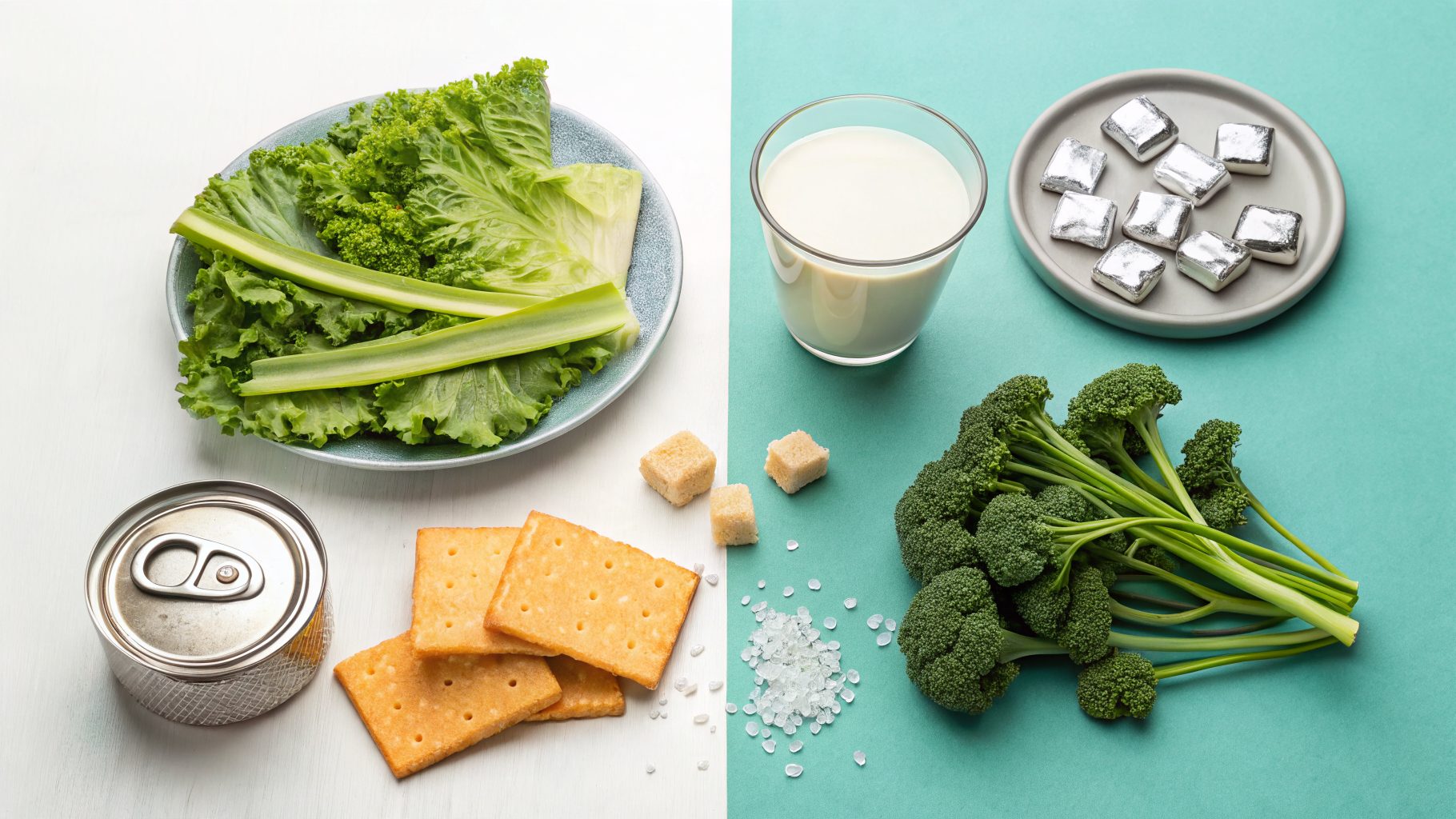
High-Sodium Foods
While sodium is a necessary mineral for bodily functions, excessive intake can be detrimental to bone health. When you consume too much salt, your body excretes it through the kidneys. Unfortunately, as sodium is flushed out, it takes calcium with it. This process can lead to a net loss of calcium, a critical building block for strong bones.
High-sodium culprits are often found in processed and packaged foods. It's wise to read labels and be mindful of your intake of items like canned soups, frozen dinners, cured meats, fast food, and many savory snacks. Cooking at home more often allows you to control the amount of salt in your meals, helping to protect your calcium stores.
Excessive Caffeine
Many people rely on coffee, tea, or caffeinated sodas to start their day or get through an afternoon slump. While moderate caffeine intake is generally considered safe, excessive amounts can interfere with how your body absorbs calcium. Caffeine has a mild diuretic effect, which can increase calcium excretion in the urine, similar to the effect of high sodium.
The key here is moderation. Most experts suggest that up to 400 milligrams of caffeine per day, equivalent to about four cups of coffee, is unlikely to harm bone health, provided you are getting enough calcium in your diet. If you are a heavy coffee or tea drinker, ensuring your calcium intake is adequate becomes even more important to offset any potential negative effects.
Sugary Sodas and Colas
Sugary drinks, particularly colas, present a dual threat to bone health. First, they are often consumed in place of more nutritious, calcium-rich beverages like milk or fortified orange juice. When you choose a soda over a glass of milk, you are missing an opportunity to supply your bones with essential nutrients.
Second, many dark-colored colas contain phosphoric acid. Some research suggests that a high intake of phosphoric acid, when not balanced by adequate calcium intake, can lead to bone loss. The acid may disrupt the delicate balance of minerals in the body, potentially leaching calcium directly from the bones to maintain equilibrium in the blood.
Excessive Alcohol Consumption
Chronic and heavy alcohol use can significantly harm your skeleton. Alcohol can interfere with the pancreas and its absorption of both calcium and vitamin D, a vitamin that is crucial for calcium absorption. Without sufficient vitamin D, your body cannot effectively use the calcium you consume, no matter how much you get.
Furthermore, excessive alcohol consumption can affect the production of hormones that are vital for bone health, such as estrogen in women. It can also increase levels of cortisol, a stress hormone that is known to decrease bone formation and increase bone breakdown. Limiting alcohol intake is a wise step for protecting your bone density and overall health.
Foods High in Oxalates
Certain healthy foods, particularly some leafy greens, contain a compound called oxalic acid, or oxalates. Oxalates can bind with calcium in the digestive tract, forming an insoluble compound that the body cannot absorb. This means that even if a food is high in calcium, its oxalate content can prevent you from getting the full benefit.
Foods that are very high in oxalates include spinach, rhubarb, and beet greens. This doesn't mean you must avoid these nutritious vegetables entirely. You can reduce their oxalate content by cooking them, and it's important not to eat them during the same meal as your primary calcium sources, like a glass of milk or a calcium supplement. Variety is key, so including other greens like kale and broccoli, which are low in oxalates, is a good strategy.
Building a Pro-Bone Diet
While it is helpful to know what to avoid, building a strong dietary plan is about focusing on positive additions. Ensure your diet is rich in calcium from sources like low-fat dairy, fortified plant-based milks, tofu, and leafy greens that are low in oxalates. Vitamin D is equally important, which you can get from sunlight exposure, fatty fish like salmon, and fortified foods.
Protein is another key nutrient for bone health, as it forms a large part of bone structure. Lean meats, poultry, fish, beans, and nuts are all excellent sources. A well-rounded diet that balances these essential nutrients while limiting the foods mentioned above will provide a strong foundation for managing osteoporosis and maintaining bone strength.