5 Essential Tips for Apartment Renovation: Your Guide to a Dream Home
Fast Facts:
- Property values can increase by 10-20% with modern updates.
- Smart home integration is a rising trend for urban dwellers.
Mastering Your Apartment Renovation Project
Embarking on an apartment renovation can be both exciting and daunting. With careful budget planning and strategic execution, transforming your living space into a dream home is entirely achievable. This guide will walk you through five crucial tips to ensure your renovation journey is smooth, efficient, and ultimately rewarding, helping you create a space that perfectly suits your lifestyle and enhances your property's value. From initial planning to final touches, understanding these core principles will set you up for success in your DIY home improvement.
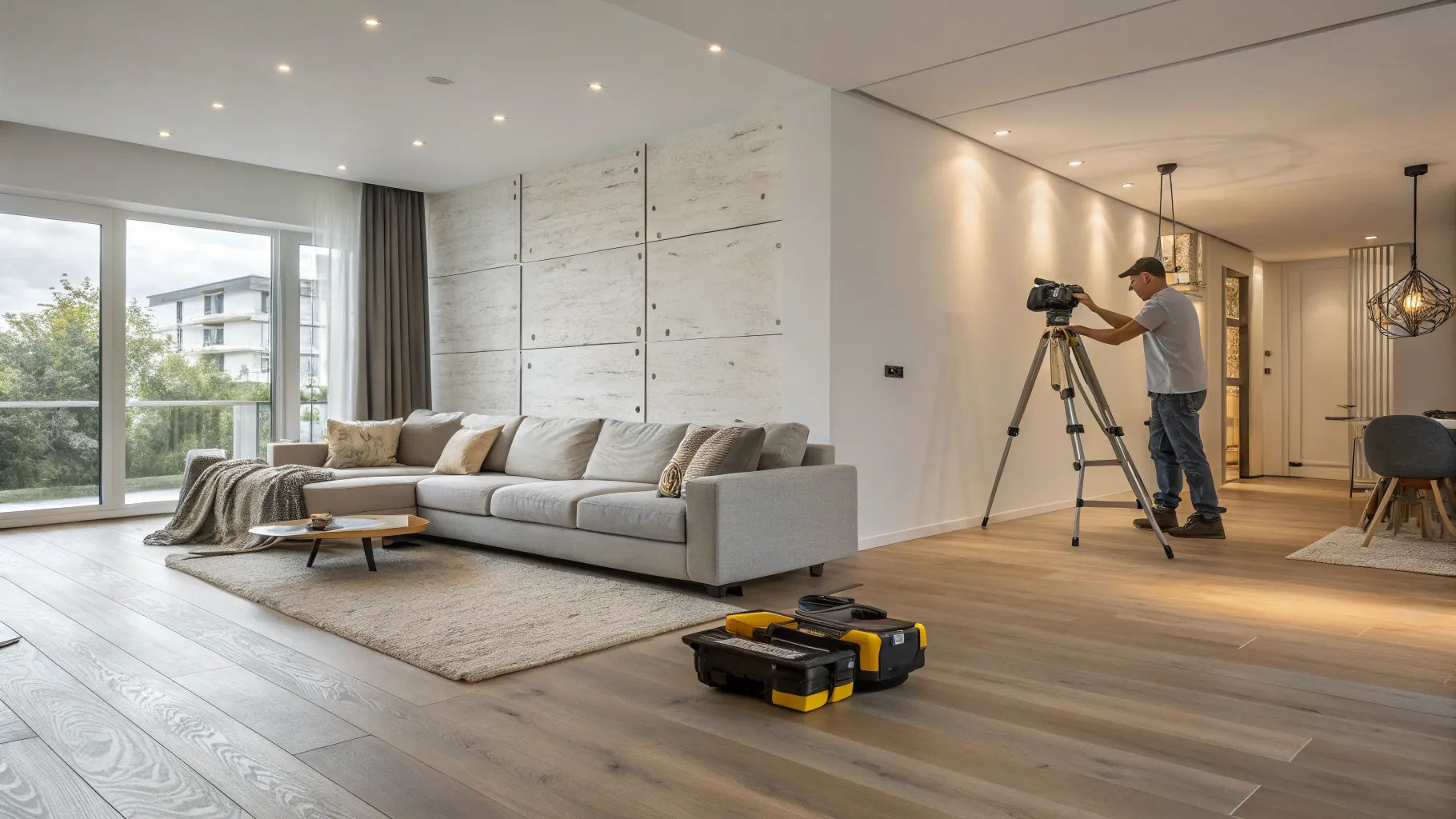
Plan Your Renovation Meticulously
The foundation of any successful apartment renovation lies in thorough planning. Before lifting a single tool, dedicate significant time to mapping out every detail. This includes creating a detailed budget that accounts for materials, labor, permits, and a contingency fund (typically 10-20% of the total budget) for unexpected issues. Research local building codes and obtain all necessary permits to avoid legal complications and costly delays. A well-defined timeline, broken down into phases, will help keep the project on track and minimize disruption to your daily life. Consider consulting with an architect or interior designer for complex layouts or structural changes to ensure feasibility and optimal small space design solutions. Clear communication with all contractors and suppliers from the outset is paramount to aligning expectations and preventing misunderstandings.
Maximize Small Spaces with Smart Design
Apartments often come with spatial limitations, making efficient small space design a critical aspect of any renovation. Focus on multi-functional furniture pieces, such as sofa beds, nested tables, or ottomans with hidden storage. Vertical space is your best friend; install floor-to-ceiling shelving, wall-mounted desks, and hanging storage solutions to declutter and expand usable area. Clever layout choices, like open-concept living areas, can make a space feel larger and more cohesive. Incorporate built-in storage solutions that seamlessly integrate with your walls, reducing visual bulk. Reflective surfaces, such as mirrors and glossy finishes, can also create an illusion of depth and openness, making your apartment feel more expansive and inviting. Thoughtful design in this area can significantly enhance the functionality and aesthetics of your apartment renovation.
Prioritize Functionality and Durability
When undergoing an apartment renovation, it's crucial to balance aesthetics with practicality. Choose materials and fixtures that are not only visually appealing but also durable and easy to maintain, especially in high-traffic areas like kitchens and bathrooms. Opt for scratch-resistant flooring, moisture-resistant paint, and robust countertops that can withstand daily wear and tear. Investing in good quality, energy-efficient appliances can lead to long-term savings on utility bills and contribute to a more sustainable home. Consider the flow and ergonomics of your space; ensure that light switches are conveniently located, storage is easily accessible, and furniture arrangements facilitate comfortable movement. A functional apartment is one that enhances your daily living, and prioritizing durability ensures your renovation stands the test of time, providing lasting value to your apartment renovation.
Embrace DIY for Cost Savings and Personal Touch
For those looking to manage their renovation tips and save on labor costs, embracing DIY home improvement can be incredibly rewarding. Tasks such as painting, installing shelves, assembling furniture, or even minor tiling can be tackled by a motivated homeowner. Before starting any DIY project, thoroughly research the process, gather the right tools, and assess your skill level realistically. Don't hesitate to watch online tutorials or seek advice from experienced friends or professionals. While DIY can save money, know your limits and don't shy away from hiring professionals for complex or safety-critical jobs like electrical wiring, plumbing, or structural changes. A successful renovation often involves a strategic mix of DIY efforts and professional expertise, ensuring both quality and budget adherence for your apartment renovation.
Focus on Lighting and Color Scheme
The right lighting and color scheme can dramatically transform the mood and perceived size of your apartment during a DIY home improvement. Light colors, such as whites, creams, and pastels, reflect light and make rooms feel larger, brighter, and more open. Use a consistent color palette throughout your apartment to create a cohesive and harmonious flow. Layered lighting, combining ambient, task, and accent lighting, can add depth and warmth to a space. Incorporate natural light whenever possible by using sheer curtains or blinds and ensuring windows are unobstructed. Strategic placement of mirrors can also amplify natural light and enhance the sense of spaciousness. Experiment with different light temperatures – warmer tones for cozy areas and cooler tones for task-oriented spaces. These design elements are pivotal in achieving the desired ambiance and functionality of your apartment renovation.
Achieving a Seamless Apartment Renovation
To truly achieve a seamless apartment renovation, proactive management and meticulous attention to detail are paramount. Begin by establishing clear communication channels with all contractors, ensuring they understand your vision and timeline. Regular site visits and progress meetings can prevent small issues from escalating into major problems. Always have a contingency plan and budget for unexpected delays or material shortages, as these are common in any renovation project. Consider the impact of the renovation on your neighbors, especially in apartment buildings, by adhering to noise restrictions and keeping common areas clean. Finally, don't rush the final inspection. Thoroughly check all finishes, fixtures, and installations to ensure everything meets your standards and contractual agreements. A well-executed renovation not only transforms your home but also provides immense satisfaction and long-term value, making the most of your renovation tips.
Frequently Asked Questions
What is the average cost of an apartment renovation?
The cost of an apartment renovation varies widely depending on factors such as location, the scope of work, materials chosen, and whether you opt for DIY or professional services. Minor cosmetic updates might range from $5,000 to $20,000, while a full gut renovation could cost upwards of $50,000 to $100,000 or more. It's crucial to get multiple quotes and have a detailed budget for your specific renovation tips.
How long does an apartment renovation typically take?
The timeline for an apartment renovation can range from a few weeks for minor updates to several months for extensive projects. Factors like permitting processes, material availability, contractor scheduling, and the complexity of the design will all influence the duration. A realistic timeline is essential for effective budget planning.
Do I need permits for an apartment renovation?
Yes, most apartment renovations, especially those involving structural changes, plumbing, electrical work, or significant layout alterations, will require permits from your local municipality. Failing to obtain necessary permits can lead to fines, project stoppages, and issues during resale. Always check with your local planning department before starting any major DIY home improvement.
References
- National Association of Home Builders
- Architectural Digest: Small Space Design Guide
- Remodeling Magazine: Cost vs. Value Report