Avoid Costly Home Improvement Projects: 5 Common Mistakes to Sidestep
Facts:
- Homeowners often underestimate renovation timelines.
- Trend: Sustainable materials in home improvement projects for eco-conscious owners.
Navigating the Common Challenges in Home Improvement Projects
Embarking on home improvement projects can be an exciting endeavor, promising enhanced living spaces and increased property value. However, without careful consideration and planning, these projects can quickly transform into frustrating DIY blunders, leading to unexpected costs, delays, and significant stress. Understanding the common missteps can save homeowners considerable headaches and financial strain, ensuring a smoother journey towards achieving their dream home. Many aspiring renovators fall victim to predictable renovation pitfalls that are entirely avoidable with foresight and due diligence.
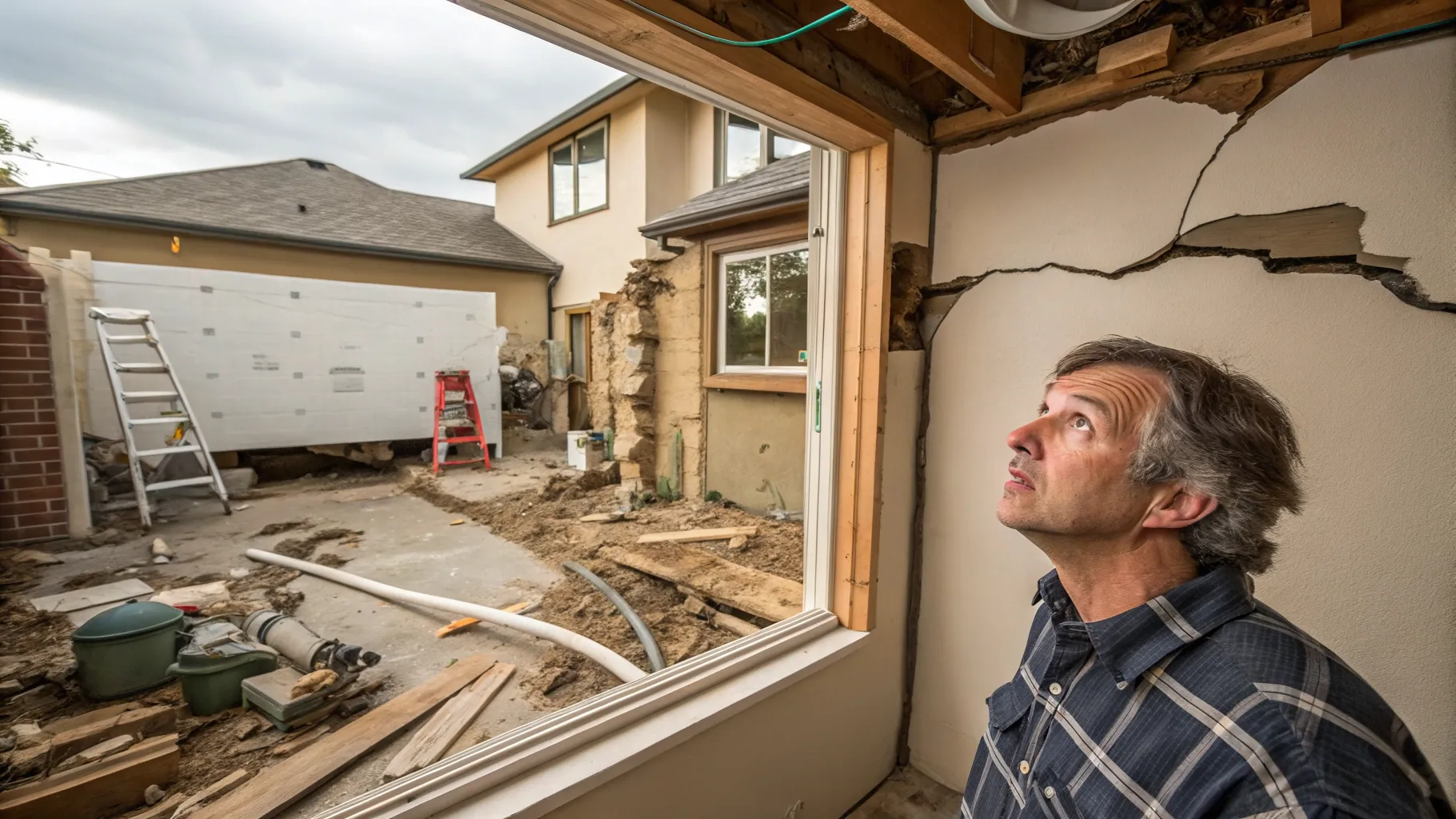
Mistake 1: Underestimating Costs and Budget Overruns
One of the most prevalent renovation pitfalls is failing to accurately estimate project costs, inevitably leading to significant budget overruns. Homeowners often focus solely on material and labor costs, neglecting to factor in contingencies for unforeseen issues, permit fees, or the cost of professional designs. A comprehensive budget should include a buffer of at least 10-20% for unexpected expenses. Without this, a seemingly affordable project can quickly become a financial burden, forcing compromises on quality or even halting the project midway. It's crucial to research average costs for similar home improvement projects in your area and obtain multiple detailed quotes from contractors.
Mistake 2: Neglecting Proper Poor Planning and Preparation
Many DIY blunders stem directly from inadequate planning. Rushing into a project without a clear vision, detailed blueprints, or a defined timeline is a recipe for disaster. Poor planning can lead to design changes mid-project, which are often costly and time-consuming. This includes not thoroughly understanding local building codes, failing to acquire necessary permits, or not adequately preparing the work area. Proper preparation also involves considering the impact of the renovation on daily life, such as temporary living arrangements or alternative utility access. A meticulously crafted plan acts as a roadmap, guiding the entire process and minimizing surprises.
Mistake 3: Overlooking Structural Issues or Permits
Ignoring potential structural issues or failing to secure the correct permits can have severe and expensive repercussions, making it a critical aspect of avoiding renovation pitfalls. What might seem like a cosmetic fix could be masking a deeper structural problem that, if unaddressed, could compromise the safety and integrity of your home. Similarly, neglecting permits can lead to fines, forced demolition, or difficulties when selling the property. Always consult with qualified professionals, such as structural engineers or architects, especially when dealing with load-bearing walls or significant modifications. Local building departments can provide comprehensive information on required permits for your specific home improvement projects.
Mistake 4: Choosing the Wrong Materials or Tools for the Job
The success and longevity of any home improvement project largely depend on the quality and appropriateness of the materials and tools used. Opting for cheaper, inferior materials might save money upfront but can result in faster wear and tear, necessitating more frequent repairs or replacements. This often leads to more costly expenditures in the long run. Similarly, using the wrong tools not only makes the job harder but can also lead to unsafe conditions, damage to materials, or an unsatisfactory finish. For instance, using an indoor paint for an outdoor deck is a clear example of a material mismatch that would quickly fail. Always research the best materials for your specific application and invest in or rent the correct, high-quality tools for professional results in your home improvement projects.
Mistake 5: Rushing the Process and Sacrificing Quality
The temptation to complete home improvement projects quickly often leads to shortcuts that compromise quality. Rushing tasks like paint application, curing times for concrete, or proper installation of fixtures can result in sloppy finishes, functional failures, and ultimately, dissatisfaction with the final outcome. Quality craftsmanship requires patience and attention to detail. Skipping essential steps or not allowing adequate time for each phase of the project is a common cause of DIY blunders. Prioritizing speed over precision can lead to rework, additional expenses, and an overall project that doesn't meet expectations, thus transforming a renovation dream into a persistent nightmare of renovation pitfalls.
Smart Strategies to Avoid Renovation Pitfalls
- Plan Meticulously: Before lifting a hammer, spend ample time on detailed blueprints, material selection, and timeline development. Consider every tiny detail and potential roadblock to prevent poor planning.
- Set a Realistic Budget (with Contingency): Always add a 15-20% buffer to your estimated costs to absorb unexpected expenses and prevent debilitating budget overruns. Get multiple bids for all aspects of your home improvement projects.
- Hire Qualified Professionals: For complex tasks or structural work, do not hesitate to hire licensed and insured contractors, architects, or engineers. Their expertise can prevent costly mistakes and ensure compliance.
- Understand Permits and Regulations: Research local building codes and secure all necessary permits before starting any work. This prevents legal issues and ensures the safety and legality of your modifications.
- Prioritize Quality Materials and Workmanship: Invest in durable, appropriate materials and take the time required for proper installation. Skimping on quality often leads to more expenses down the road and numerous DIY blunders.
- Communicate Clearly: Maintain open and frequent communication with contractors, suppliers, and anyone else involved in your home improvement project to address issues promptly and avoid misunderstandings.
Frequently Asked Questions
What are the most frequent DIY blunders?
The most frequent DIY blunders include underestimating costs, neglecting proper planning, ignoring structural issues, using incorrect materials/tools, and rushing the project, which often leads to poor quality outcomes.
How can I prevent budget overruns in my home improvement project?
To prevent budget overruns, create a detailed budget with a 15-20% contingency fund, obtain multiple quotes from contractors, account for all potential costs (permits, design, unforeseen issues), and track expenses diligently throughout the home improvement project.
References
- Homeowner's Guide to Renovation Success
- Avoiding Common Construction Mistakes
- Financial Planning for Home Improvements