5 Best Materials for Kitchen Upgrades: Elevate Your Kitchen Design
Facts:
- Kitchen renovations offer a high return on investment.
- Sustainable materials trend for modern kitchen design.
Transforming Your Kitchen: Key Material Choices for Lasting Value
Embarking on kitchen upgrades is an exciting venture, promising enhanced aesthetics and functionality. Choosing the right materials for kitchen upgrades is crucial for ensuring durability, style, and long-term satisfaction. From robust countertops to elegant cabinetry, every selection contributes significantly to the overall ambiance and practicality of your culinary space. This guide delves into the top five material categories that consistently deliver superior results, helping you make informed decisions for your next kitchen design project.
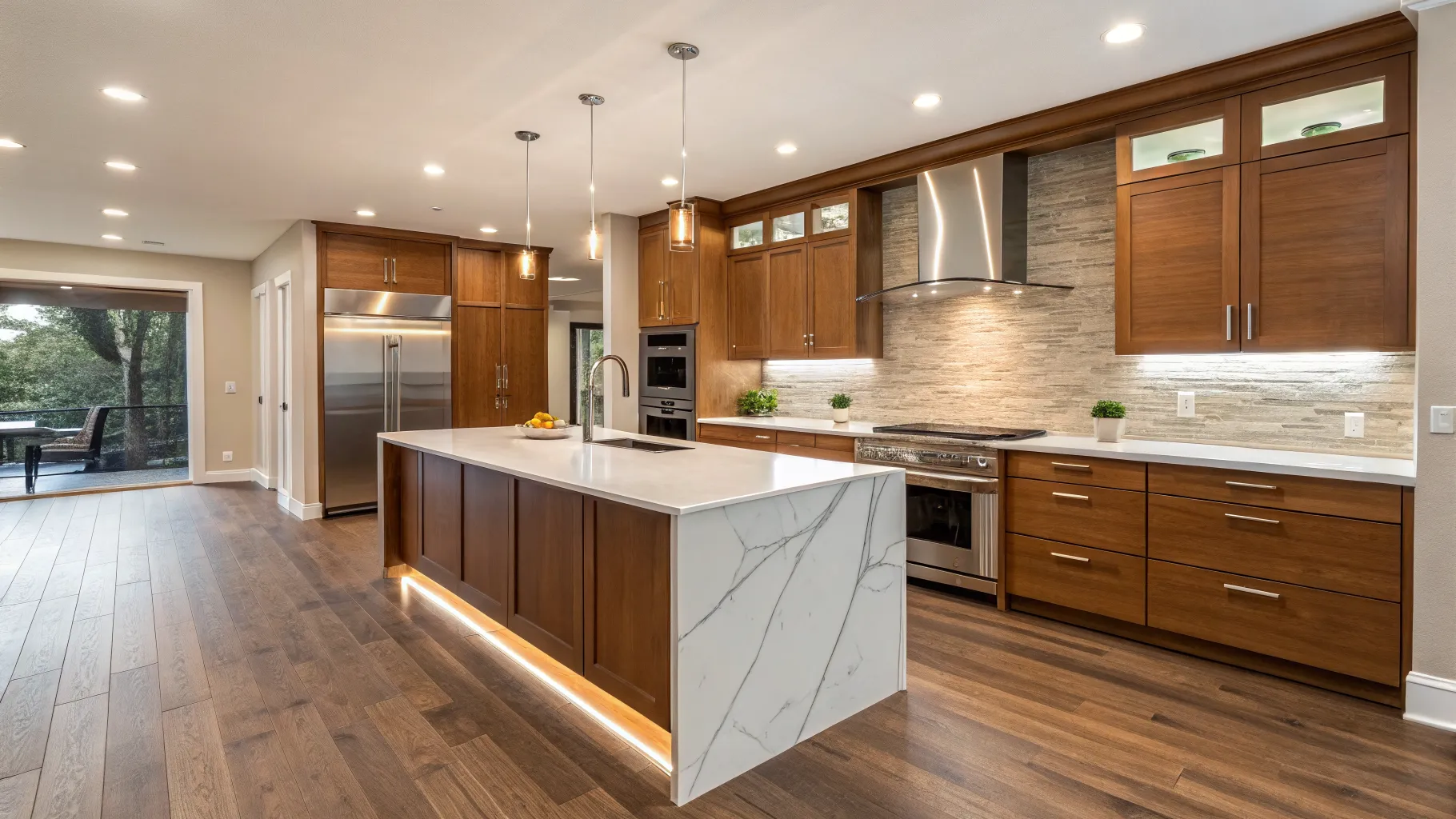
Top 5 Material Categories for Superior Kitchen Upgrades
1. Quartz Countertops: Durability Meets Elegance
Quartz countertops remain a leading choice for modern kitchen upgrades due to their exceptional durability and aesthetic versatility. Engineered from natural quartz crystals combined with resins, these surfaces are non-porous, making them highly resistant to stains, scratches, and bacteria. Unlike natural stone, quartz does not require sealing, offering a low-maintenance solution for busy households. Homeowners can select from a vast array of colors and patterns, mimicking the look of marble or granite with consistent quality. The resilience of quartz ensures that your countertop materials will withstand daily wear and tear, maintaining their pristine appearance for years to come. Investing in quartz is a smart move for any comprehensive kitchen upgrade, promising both beauty and enduring performance.
2. Hardwood Flooring: Timeless Warmth and Character
For flooring choices in a kitchen, hardwood offers unparalleled warmth, character, and timeless appeal. Materials like oak, maple, and hickory provide durable surfaces that can withstand heavy foot traffic and spills when properly sealed. Hardwood floors bring a natural elegance that complements various kitchen design styles, from traditional to contemporary. While requiring more care than some synthetic options, the ability to refinish hardwood floors multiple times means they can last for decades, renewing their beauty and extending their lifespan. This makes hardwood a sustainable and value-adding option for significant kitchen upgrades, offering comfort underfoot and enhancing the overall luxurious feel of the space.
3. Stainless Steel Appliances: Professional-Grade Performance and Style
No discussion of kitchen upgrades is complete without considering appliances, and stainless steel continues to dominate for good reason. Offering a sleek, professional look, stainless steel appliances are renowned for their durability, resistance to rust and corrosion, and ease of cleaning. They integrate seamlessly into virtually any kitchen design, providing a cohesive and modern aesthetic. Beyond their appearance, stainless steel appliances often boast advanced features and energy efficiency, contributing to a more functional and eco-friendly kitchen. While there are other finish options, stainless steel remains the benchmark for performance and enduring style in kitchen upgrades, proving to be a wise, long-term investment for any home.
4. Custom Cabinetry: Tailored Storage and Visual Appeal
Cabinetry options are fundamental to both the functionality and aesthetics of your kitchen. Custom cabinetry allows for precise optimization of space, tailoring storage solutions to your specific needs and lifestyle. Materials such as solid wood (cherry, maple, oak), plywood, and medium-density fiberboard (MDF) offer different price points and durability levels. Solid wood provides exceptional longevity and a classic look, while high-quality plywood offers stability and resistance to moisture. Custom designs ensure every inch is utilized, from pull-out pantries to integrated recycling bins, enhancing efficiency. Choosing the right cabinetry options is a pivotal aspect of any kitchen upgrade, dictating the flow and organizational prowess of the entire space and significantly influencing the overall kitchen design.
5. LED Lighting: Efficiency and Ambiance
While often overlooked, modern lighting solutions are critical materials for kitchen upgrades, dramatically impacting both utility and atmosphere. LED lighting, in particular, offers superior energy efficiency, longevity, and versatility. Under-cabinet LED strips provide excellent task lighting, illuminating workspaces and reducing shadows. Recessed LED fixtures offer general ambient light, while pendant lights can serve as stylish focal points. The ability to choose different color temperatures (warm to cool white) allows homeowners to create specific moods and highlight design elements. Upgrading to LED lighting not only reduces energy bills but also enhances the visual appeal and functionality of your kitchen, making it a brighter, more inviting space for cooking and entertaining. This crucial element is integral to a comprehensive kitchen design approach.
Comparing the efficacy of different countertop materials, quartz offers a nearly indestructible surface that requires minimal upkeep, standing in stark contrast to natural stones which demand regular sealing. When considering flooring choices, hardwood provides a warmth and classic aesthetic that porcelain tile might lack, though tile excels in moisture resistance. For cabinetry options, custom solid wood cabinetry offers unparalleled durability and personalized design over pre-fabricated laminates, albeit at a higher cost. Each material presents a unique balance of cost, durability, and aesthetic contribution to your kitchen design, emphasizing the importance of aligning selections with your specific needs and budget for successful kitchen upgrades.
Practical Advice for Your Kitchen Upgrade Project
- Plan Meticulously: Before purchasing any materials for kitchen upgrades, create a detailed plan outlining your budget, timeline, and desired aesthetic. Consider consulting with a professional kitchen designer to ensure all elements integrate seamlessly into your overall kitchen design.
- Prioritize Durability: Focus on durable materials, especially for high-traffic areas and surfaces like countertop materials and flooring choices. High-quality selections will save you money and headaches in the long run by reducing the need for frequent repairs or replacements.
- Consider Maintenance: Evaluate the maintenance requirements of each material. For example, while natural stone countertops are beautiful, they may require more regular sealing compared to low-maintenance options like quartz. Choose materials that fit your lifestyle and willingness to maintain them.
- Sustainability Matters: Explore eco-friendly and sustainable materials for kitchen upgrades, such as recycled glass countertops, bamboo flooring, or ethically sourced wood for cabinetry options. These choices not only benefit the environment but can also contribute to a healthier indoor air quality.
- Lighting is Key: Do not underestimate the impact of proper lighting. Incorporate a mix of task, ambient, and accent lighting to enhance both the functionality and atmosphere of your kitchen. Modern LED solutions are particularly effective for energy efficiency and versatility in kitchen design.
Frequently Asked Questions
What are the most durable countertop materials for kitchen upgrades?
The most durable countertop materials for kitchen upgrades typically include quartz, granite, and ultra-compact surfaces like porcelain or sintered stone. Quartz offers excellent stain and scratch resistance, while granite provides natural beauty with good durability when properly sealed. Ultra-compact surfaces are highly resistant to heat, scratches, and UV rays, making them extremely robust for any kitchen design.
How can I make my kitchen upgrade more eco-friendly?
To make your kitchen upgrade more eco-friendly, consider using recycled or reclaimed materials for cabinets and flooring, choosing low-VOC (volatile organic compound) paints and finishes, and opting for energy-efficient appliances. Selecting sustainable wood for cabinetry options and exploring materials like bamboo or cork for flooring choices also contributes to a greener kitchen.
What is the best way to choose new cabinetry options for my kitchen?
When choosing new cabinetry options, consider your budget, storage needs, and overall kitchen design aesthetic. Custom cabinetry offers the most flexibility and personalization, while semi-custom and stock options provide more affordable alternatives. Evaluate materials like solid wood, plywood, or MDF based on durability, appearance, and moisture resistance. Always look for soft-close features and quality hardware for improved functionality.
References
- National Kitchen & Bath Association (NKBA) research reports
- Architectural Digest guides on kitchen remodeling
- Consumer Reports reviews on home renovation materials
- Interior design journals focusing on modern kitchen trends
- Sustainable Building Council publications on eco-friendly materials