4 Proven Ways to Soothe Itchy Skin in Winter for Lasting Relief
Facts:
- Low humidity is the primary trigger for winter skin itch.
- Colloidal oatmeal baths are a rising trend for natural skin soothing.
Decoding Winter Xerosis: Your Guide to Calming Irritated Skin
As the temperature drops and indoor heating kicks on, the air loses its moisture, and so does your skin. This leads to a condition known as winter xerosis, or what is more commonly felt as persistent, uncomfortable itching. Finding effective itchy skin winter relief is not just about comfort; it's about protecting your skin's barrier from cracking and becoming vulnerable. To effectively soothe itchy skin winter, you need a multi-faceted approach that addresses hydration both inside and out. This guide provides actionable strategies to combat irritation and achieve lasting comfort.
The 4 Essential Remedies for Winter Skin Itch
Tackling the maddening itch of winter skin requires a consistent and gentle routine. Below are the four cornerstone strategies that provide significant relief. Integrating these 4 winter skin itch remedies into your daily life can transform your skin from irritated and dry to calm and hydrated, even in the harshest cold.
1. Optimize Your Moisturization Strategy
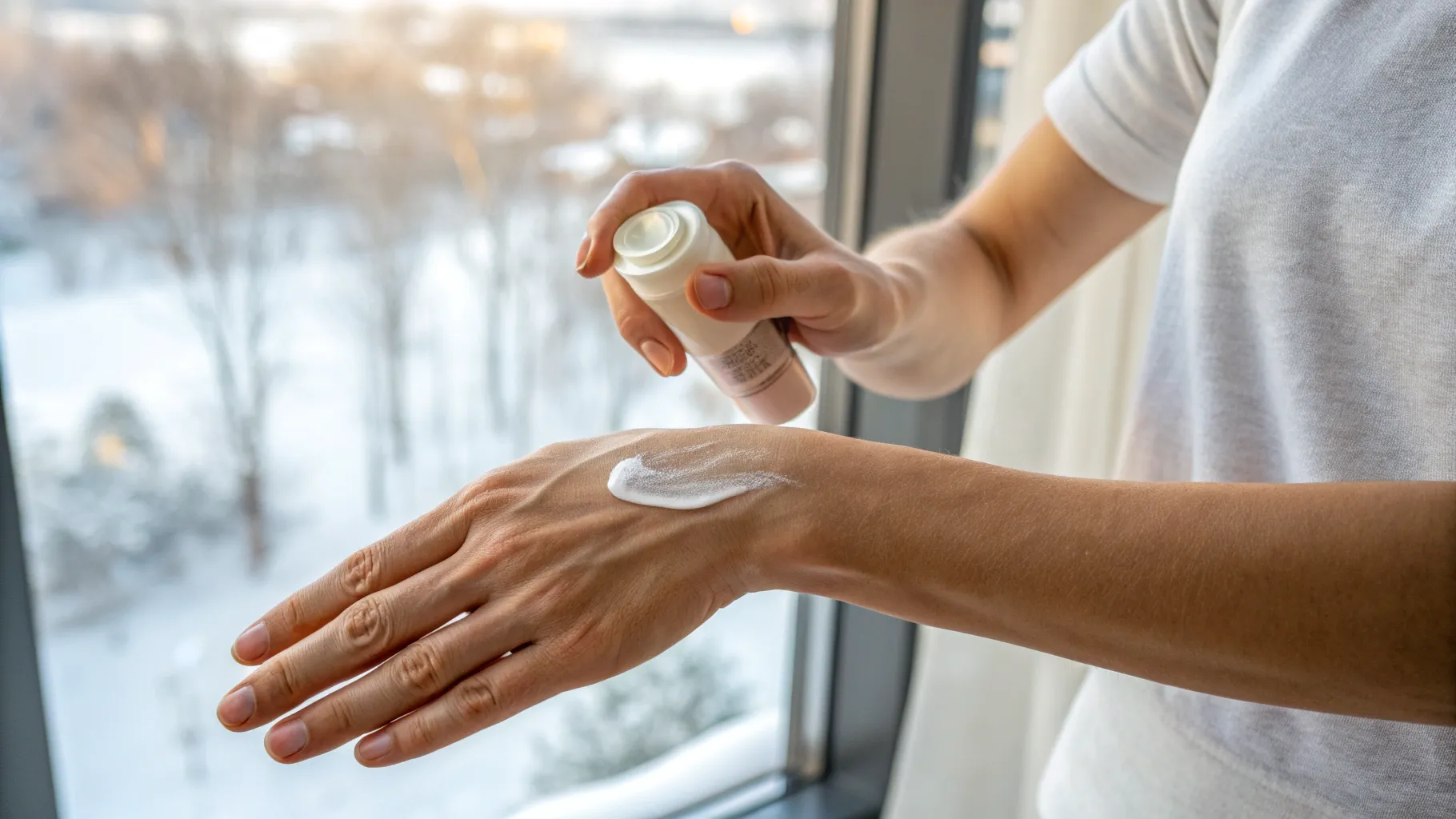
The single most important step to calm itchy skin cold is proper moisturization. During winter, a light lotion is often insufficient. You need to upgrade to a thicker cream or ointment that contains a combination of humectants (like hyaluronic acid and glycerin) to draw moisture in, emollients (like shea butter) to soften the skin, and occlusives (like petrolatum or dimethicone) to lock that moisture in. For maximum effectiveness, apply your moisturizer to damp skin within three minutes of bathing. This traps the water on your skin's surface, providing a powerful hydration boost and tackling dry skin itch winter at its source.
2. Revamp Your Bathing Habits
While a long, hot shower might feel comforting in the cold, it's one of the worst culprits for stripping your skin of its natural oils. To get itchy skin winter relief, you must adjust your routine. Opt for lukewarm water and limit showers or baths to 5-10 minutes. Use a gentle, soap-free, and fragrance-free cleanser to avoid further irritation. Consider adding colloidal oatmeal to your bath; its anti-inflammatory properties are renowned for their ability to soothe itchy skin winter and reduce redness.
3. Control Your Indoor Environment with a Humidifier
Indoor heating systems create a dry, desert-like environment that constantly pulls moisture from your skin. One of the most effective ways to combat this is by using a humidifier. Aim to keep the humidity level in your home between 40% and 50%. This simple device adds moisture back into the air, creating a more skin-friendly environment and providing continuous relief from the conditions that cause dry skin itch winter. It's a passive but powerful tool in your winter skin arsenal.
4. Choose Your Fabrics Wisely
The clothes you wear can either help or hinder your quest to calm itchy skin cold. Irritating fabrics like wool and some synthetics can directly aggravate dry, sensitive skin, causing friction and trapping heat that leads to itching. Instead, choose soft, breathable materials like cotton, bamboo, or silk as your base layer. When you do wear warmer fabrics like wool, ensure there is a protective layer of a skin-friendly fabric underneath. This simple switch can dramatically reduce daily irritation.
Creams vs. Ointments: Which Is Better for Winter Itch?
When choosing a topical treatment, the texture matters. Creams are emulsions of oil and water and are more easily absorbed, making them pleasant for daytime use. However, ointments are primarily oil-based (like petroleum jelly) and form a much more effective occlusive barrier on the skin. For severe dry skin itch winter, especially on areas like hands, feet, and elbows, an ointment is often superior as it provides a more robust seal against moisture loss. While potentially greasy, their effectiveness in providing itchy skin winter relief is unparalleled, particularly when applied overnight.
Actionable Lifestyle Tips to Support Your Skin
Beyond direct treatments, certain lifestyle adjustments can enhance the effectiveness of the 4 winter skin itch remedies and promote overall skin health.
- Stay Hydrated from Within: Drinking adequate water throughout the day helps hydrate your skin from the inside out, supporting its natural barrier function.
- Protect Skin Outdoors: Cold wind can quickly strip moisture from exposed skin. Always wear soft gloves and a scarf to protect your hands and face when you go outside.
- Avoid Known Irritants: Pay attention to your laundry detergents and fabric softeners. Opt for hypoallergenic and fragrance-free formulas to prevent unnecessary chemical irritation on your sensitive skin.
- Incorporate Healthy Fats: A diet rich in omega-3 fatty acids, found in fish, flaxseed, and walnuts, can help improve your skin's lipid barrier, making it more resilient to winter dryness.
Frequently Asked Questions
Why is my skin itchier at night during winter?
Skin itch often worsens at night due to a natural rise in body temperature and a decrease in cortisol levels, which is an anti-inflammatory hormone. This combination can make you more aware of the itch from your dry skin itch winter, leading to a frustrating cycle of scratching.
Can stress make my itchy skin worse?
Absolutely. Stress triggers the release of hormones like cortisol and adrenaline, which can provoke an inflammatory response in the skin, exacerbating conditions like eczema and general winter itch. Finding ways to manage stress is a key part of how you can soothe itchy skin winter.
Are natural oils like coconut oil good for winter itch?
Some natural oils can be beneficial. Coconut oil is an excellent emollient that can help soften skin and lock in moisture. However, it can be comedogenic (pore-clogging) for some individuals. It's best to use it on the body rather than the face and always choose virgin, cold-pressed versions to calm itchy skin cold.
References
- American Academy of Dermatology Association: Dry Skin Relief
- Journal of Clinical and Aesthetic Dermatology: The Role of Moisturizers in Addressing Various Forms of Dermatitis
- National Eczema Association: Winter Skin Care Tips