3 Common Causes of Sciatica: A Deep Dive into Nerve Pain Causes
Facts:
- Sciatica may affect up to 40% of the population at some point.
- A growing trend for managing sciatica is focusing on preventative core exercises.
Decoding the Signals: What Triggers Sciatic Nerve Pain?
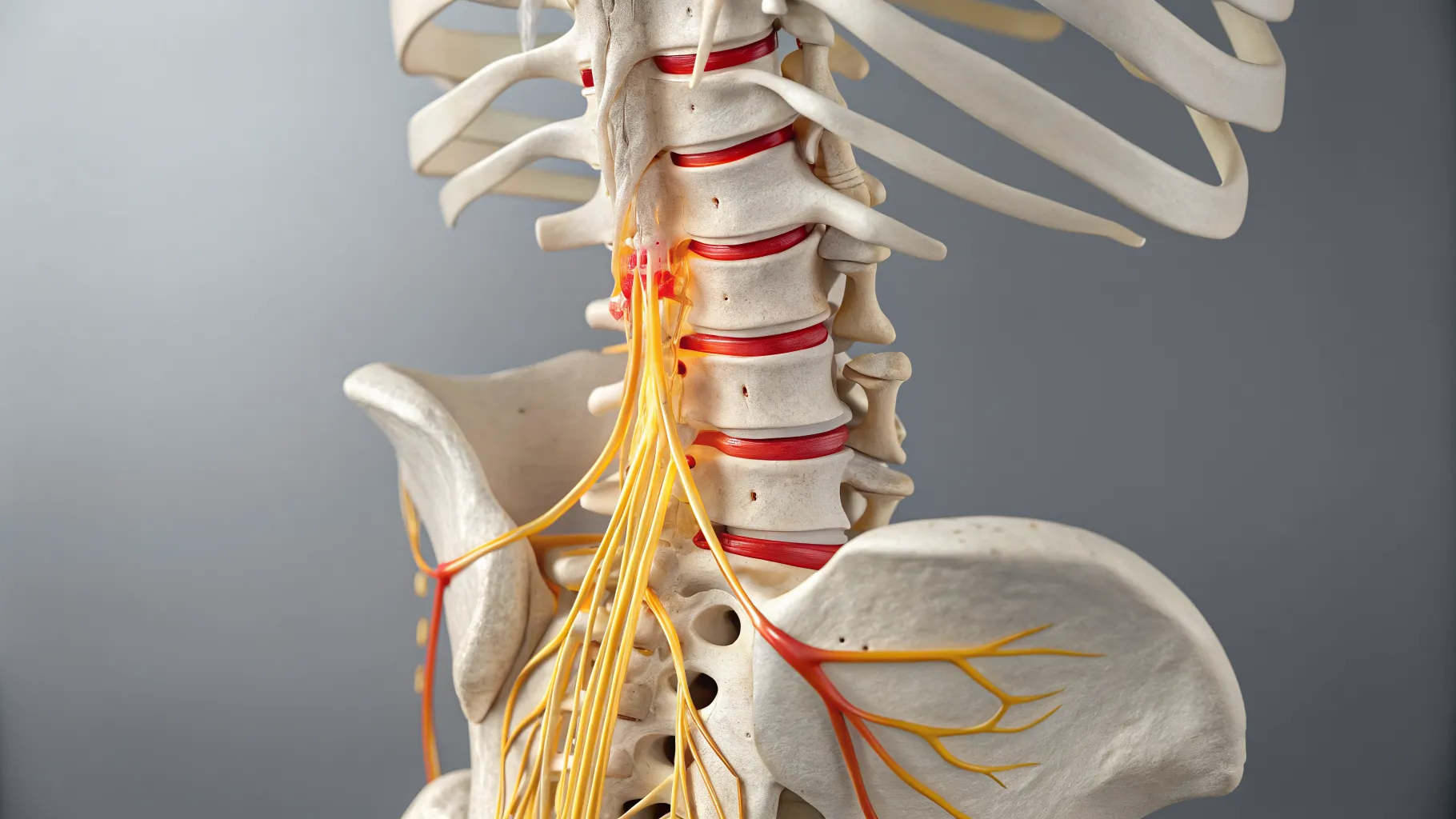
Sciatica refers to pain that radiates along the path of the sciatic nerve, which branches from your lower back through your hips and buttocks and down each leg. It's a symptom, not a standalone diagnosis, and understanding what causes sciatica is the first step toward effective management. Typically, sciatica affects only one side of your body, with pain ranging from a mild ache to a sharp, burning sensation or excruciating discomfort. This guide will delve into the 3 common causes of sciatica, providing clarity on the underlying sciatica pain reasons so you can better understand the source of your discomfort.
The 3 Common Causes of Sciatica in Detail
While various conditions can lead to this painful symptom, a few specific issues are the most frequent culprits. Identifying the exact cause is crucial for determining the right treatment plan. Below, we explore the primary sciatica nerve pain causes that medical professionals most commonly diagnose. Each of these conditions creates pressure or irritation on the sciatic nerve or its contributing nerve roots.
1. Herniated or Slipped Disc
This is by far the most prevalent of the sciatica causes. The vertebrae in your spine are cushioned by small, soft discs. A herniated disc occurs when the soft inner material (nucleus pulposus) pushes out through a tear in the tougher exterior (annulus fibrosus). This displaced material can directly press on the sciatic nerve roots in the lower spine. The pressure from a herniated disc is a primary answer to the question of what causes sciatica, leading to inflammation, numbness, and significant pain along the nerve's pathway. The location of the herniation, most often between the L4-L5 or L5-S1 vertebrae, determines the specific pattern of pain.
2. Lumbar Spinal Stenosis
Lumbar spinal stenosis is another of the major sciatica pain reasons. This condition involves the narrowing of the spinal canal in your lower back. This narrowing puts pressure on the nerves that travel through the spine, including the sciatic nerve roots. Spinal stenosis is most commonly associated with age-related degenerative changes, such as the overgrowth of bone (bone spurs) or the thickening of ligaments. The compression from stenosis can cause cramping, pain, or numbness in the legs, which often worsens with standing or walking and may be relieved by sitting or leaning forward.
3. Piriformis Syndrome
Piriformis syndrome is a less common but significant cause of sciatica-like symptoms. The piriformis is a small muscle located deep in the buttock. The sciatic nerve runs beneath or, in some people, through this muscle. If the piriformis muscle spasms or becomes tight, it can compress and irritate the sciatic nerve. This condition is one of the more complex sciatica nerve pain causes because it doesn't originate in the spine. The pain pattern can be very similar to other sciatica causes, making an accurate diagnosis essential for proper treatment.
Comparing Different Sciatica Triggers
While the end result is similar—radiating nerve pain—the specific sensations can offer clues about the underlying issue. For example, pain from a herniated disc often intensifies with actions that increase pressure within the spine, such as coughing, sneezing, or sitting for long periods. In contrast, pain from spinal stenosis typically worsens with prolonged standing or walking and improves with flexion (bending forward). Understanding these nuances helps differentiate between the 3 common causes of sciatica and guides diagnostic efforts. No matter the source, identifying the specific sciatica pain reasons is critical for developing an effective treatment strategy.
Lifestyle Adjustments to Manage Sciatica Symptoms
Addressing what causes sciatica often involves proactive measures to reduce nerve pressure and inflammation. Here are some actionable steps you can take:
- Improve Your Posture: Poor posture, especially while sitting, can exacerbate pressure on your lumbar spine. Ensure your chair provides good back support, keep your feet flat on the floor, and avoid slouching to help manage one of the contributing sciatica causes.
- Engage in Gentle Exercise: While it may seem counterintuitive, movement is often key. Activities like walking, swimming, or specific stretching routines prescribed by a physical therapist can strengthen your back muscles, improve flexibility, and reduce nerve compression.
- Apply Heat and Cold Therapy: Alternating between heat and cold packs can be effective. Cold packs can help reduce inflammation and numb the area, while heat can relax tight muscles that may be contributing to the pain.
- Practice Safe Lifting Techniques: Always lift with your legs, not your back. Keep your back straight and hold the object close to your body to minimize strain on your lumbar discs, a common factor in sciatica nerve pain causes.
Frequently Asked Questions
What are the primary sciatica nerve pain causes?
The three most common culprits are a herniated disc in the lumbar spine, lumbar spinal stenosis (narrowing of the spinal canal), and piriformis syndrome (when a buttock muscle irritates the sciatic nerve). These conditions are the leading sciatica causes because they directly compress or inflame the sciatic nerve or its roots.
Can stress be one of the sciatica pain reasons?
While stress itself does not directly cause the structural issues that lead to sciatica, it can significantly worsen the symptoms. High stress levels cause muscles to tense up, including those in the back and buttocks like the piriformis, which can increase pressure on the sciatic nerve. Therefore, managing stress can be an important part of a comprehensive treatment plan for many sciatica causes.
How do doctors determine what causes sciatica?
Diagnosis typically begins with a physical exam where a doctor will check your muscle strength, reflexes, and test for pain in certain positions. To confirm one of the 3 common causes of sciatica and rule out other issues, they may order imaging tests like an MRI, CT scan, or X-ray to get a clear view of your spinal structures and identify any herniated discs or bone spurs.
References
- American Academy of Orthopaedic Surgeons (AAOS)
- National Institute of Neurological Disorders and Stroke (NINDS)
- Spine-health Information Portal
- The Journal of the American Medical Association (JAMA)