The 3 Common Causes of Sciatica: Understanding Your Nerve Pain
Facts:
- Sciatica affects up to 40% of people during their lifetime.
- Growing trend: Sedentary jobs are increasing sciatica diagnoses.
Uncovering the Root of Your Nerve Pain: What Causes Sciatica?
Sciatica is not a diagnosis in itself, but a symptom of an underlying medical condition. It refers to pain that radiates along the path of the sciatic nerve, which branches from your lower back through your hips and buttocks and down each leg. Understanding what causes sciatica is the first step toward finding effective relief. The discomfort can range from a mild ache to a sharp, burning sensation or excruciating pain. This article will delve into the 3 common causes of sciatica, exploring the primary sciatica pain reasons to give you a clearer picture of this debilitating condition.
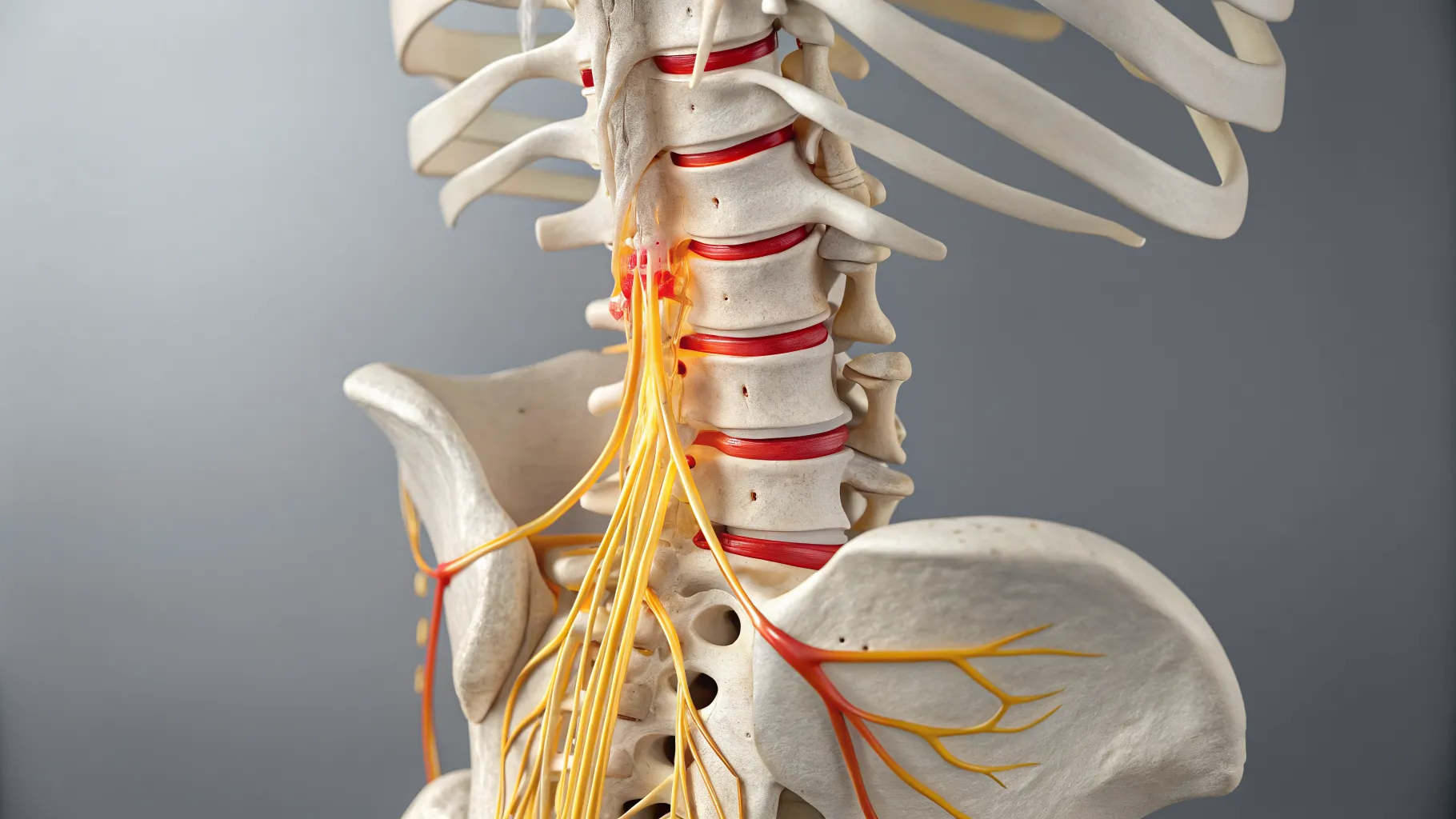
The 3 Most Common Causes of Sciatica Explained
While various conditions can lead to sciatic nerve compression, a few specific issues are responsible for the vast majority of cases. Identifying the exact cause is crucial for proper treatment. Below, we explore the top three sciatica nerve pain causes in detail, helping you understand the mechanics behind the pain and why it occurs. These are the most frequently diagnosed sciatica causes by medical professionals.
1. Herniated or Slipped Disc
By far the most prevalent of all sciatica pain reasons is a herniated lumbar disc. Your vertebrae (the bones of your spine) are cushioned by small, soft discs. A herniated disc occurs when the soft inner material (nucleus pulposus) pushes out through a tear in the tougher exterior (annulus fibrosus). This displaced material can directly press on or irritate the sciatic nerve root, triggering the characteristic pain. This is a primary answer to the question of what causes sciatica. The pressure from the herniation leads to inflammation and pain that travels down the leg, a hallmark of the condition.
2. Spinal Stenosis
Lumbar spinal stenosis is another of the 3 common causes of sciatica. This condition involves the narrowing of the spinal canal in your lower back. As this space narrows, it can put pressure on the nerves that travel through the spine, including the sciatic nerve. Spinal stenosis is most often related to age-related degenerative changes, such as osteoarthritis, which can cause the overgrowth of bone (bone spurs) or the thickening of ligaments. These changes reduce the space available for the nerves, leading to compression and being one of the key sciatica causes.
3. Piriformis Syndrome
Piriformis syndrome is a less common but significant cause of sciatica symptoms. The piriformis is a small muscle located deep in the buttock. The sciatic nerve runs beneath or, in some people, through this muscle. If the piriformis muscle spasms or becomes tight, it can compress and irritate the nearby sciatic nerve. This condition is one of the most debated sciatica nerve pain causes because it can be difficult to diagnose, but it is a critical factor for many patients experiencing sciatic-like pain without a clear spinal cause.
Herniated Disc vs. Degenerative Disc Disease: Key Differences
While a herniated disc is an acute event, degenerative disc disease is a chronic process that can be a precursor to many sciatica causes. Degenerative disc disease refers to the natural breakdown of spinal discs as you age, causing them to lose hydration and height. This process can make the disc more susceptible to herniation. It can also lead to the development of bone spurs and spinal stenosis, which are other significant sciatica pain reasons. Understanding that these are often interconnected helps in grasping the complexity of what causes sciatica and why treatment plans must be comprehensive.
Practical Steps to Manage Sciatica Pain
Once you understand the 3 common causes of sciatica, you can take proactive steps to manage the pain. While medical consultation is essential, certain lifestyle adjustments and exercises can provide significant relief. Here are some actionable tips:
- Core Strengthening Exercises: A strong core supports your lower back, reducing pressure on the spine. Planks, bridges, and bird-dog exercises can help stabilize the lumbar region, mitigating some sciatica causes.
- Proper Posture and Ergonomics: Sitting for long periods, especially with poor posture, can exacerbate sciatic pain. Ensure your workstation is ergonomic, with your chair supporting your lower back's natural curve. Take frequent breaks to stand and stretch.
- Gentle Stretching: Stretches targeting the hamstrings, lower back, and piriformis muscle can help relieve tension and pressure on the sciatic nerve. The knee-to-chest stretch and piriformis stretch are particularly effective for addressing common sciatica nerve pain causes.
- Avoid Heavy Lifting: Improperly lifting heavy objects is a major trigger. If you must lift something, use your legs, keep your back straight, and hold the object close to your body to prevent strain.
Frequently Asked Questions
What are the primary sciatica nerve pain causes?
The most dominant of the sciatica nerve pain causes is a herniated disc in the lumbar spine, accounting for about 90% of cases. Other significant causes include spinal stenosis, where the spinal canal narrows, and piriformis syndrome, where a buttock muscle irritates the sciatic nerve. These conditions all lead to compression or inflammation of the nerve root.
Can lifestyle be considered among the key sciatica causes?
Absolutely. While not a direct cause, lifestyle factors can significantly increase your risk. A sedentary lifestyle, obesity, poor posture, and jobs that require heavy lifting or prolonged sitting are major contributors. These factors put extra stress on the spine, which can lead to the structural problems that are the direct sciatica causes.
Are there other, less common, sciatica pain reasons I should know about?
Yes, while we've focused on the 3 common causes of sciatica, other conditions can be culprits. These include spondylolisthesis (where one vertebra slips over another), spinal tumors, or infections. It's crucial to get an accurate diagnosis from a healthcare professional to rule out these less common but serious sciatica pain reasons.
References
- National Institute of Neurological Disorders and Stroke. Sciatica Information Page.
- American Academy of Orthopaedic Surgeons. Sciatica.
- Spine-health. What You Need to Know About Sciatica.