Understanding the 3 Common Causes of Sciatica and Sciatica Nerve Pain
Facts:
- Sciatica affects up to 40% of people during their lifetime.
- Increased sedentary lifestyles are a growing trend for sciatica cases.
Decoding the Root of Your Sciatic Nerve Pain
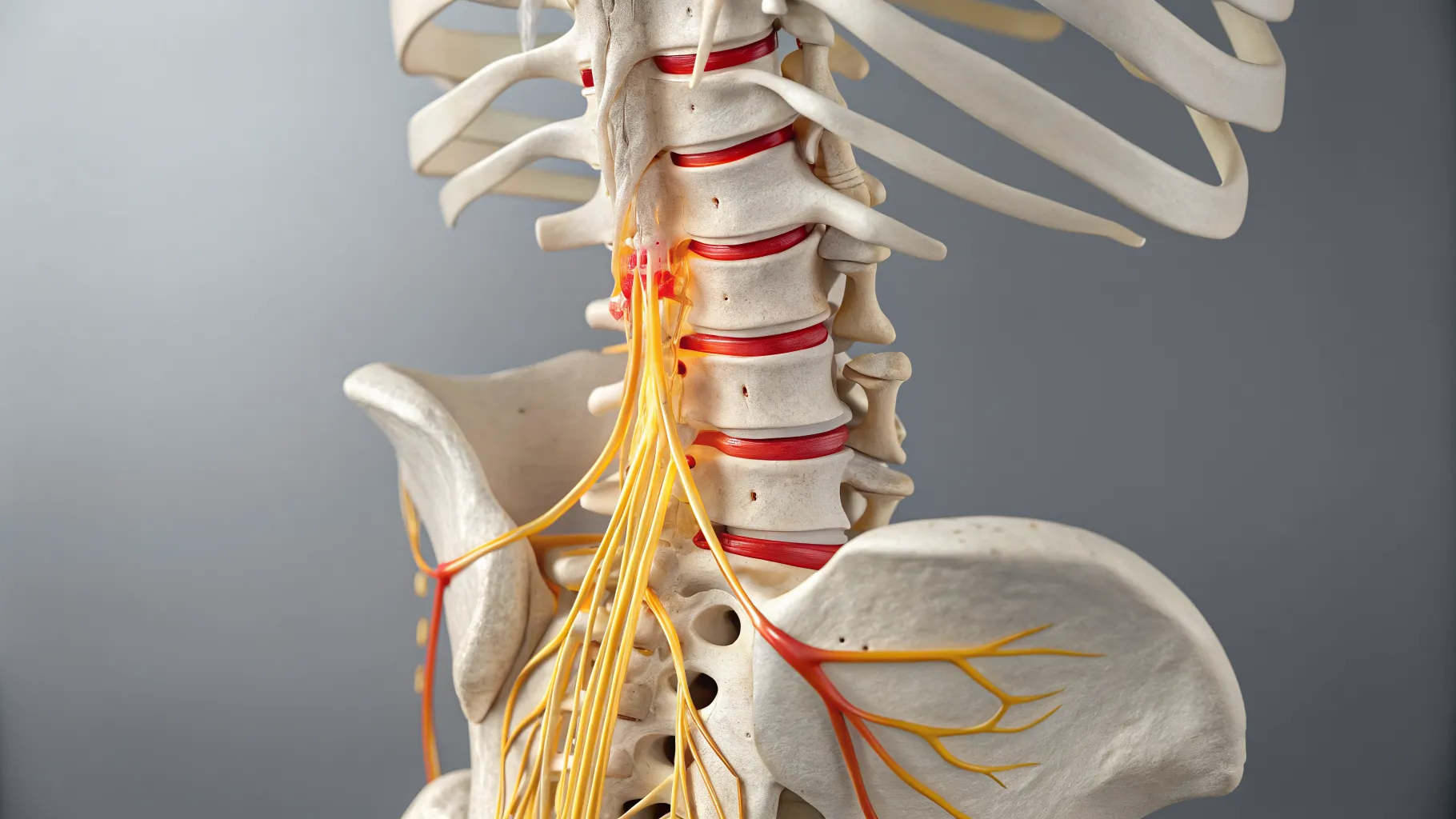
Sciatica is not a diagnosis in itself, but rather a symptom of an underlying medical condition. It refers to pain that radiates along the path of the sciatic nerve, which branches from your lower back through your hips and buttocks and down each leg. Understanding the primary sciatica causes is the crucial first step toward finding effective relief. Many people wonder what causes sciatica, and the answer often lies within the spine's structure and its interaction with this major nerve. The discomfort can range from a mild ache to a sharp, burning sensation or excruciating pain, making it essential to identify the specific trigger.
The 3 Primary Sciatica Pain Reasons Explained
While various conditions can lead to this painful symptom, medical professionals consistently point to a few primary culprits. Investigating these 3 common causes of sciatica provides clarity on why this condition develops and how it can be managed. Each cause involves a different mechanism of nerve compression or irritation, leading to the characteristic radiating pain.
1. Herniated or Slipped Disc
One of the most frequent sciatica nerve pain causes is a herniated disc. Your vertebrae are cushioned by small, gel-like discs. When the soft inner material of a disc pushes out through a tear in its tough exterior, it can press directly on the sciatic nerve roots. This compression is a significant trigger and one of the most well-known sciatica pain reasons. The pain often worsens with activities like sitting, coughing, or sneezing, as these actions can increase the pressure on the nerve.
2. Lumbar Spinal Stenosis
Lumbar spinal stenosis is another of the major sciatica causes, particularly common in older adults. This condition involves the narrowing of the spinal canal in your lower back. This narrowing puts pressure on the nerves that travel through the spine, including the sciatic nerve. The narrowing can be caused by bone spurs, thickened ligaments, or other age-related changes. People with stenosis often find their symptoms are eased by bending forward or sitting, as this can temporarily open up the spinal canal.
3. Piriformis Syndrome
Piriformis syndrome is a condition where the piriformis muscle, located deep in the buttock region, spasms and irritates or compresses the sciatic nerve. The sciatic nerve runs directly beneath or, in some people, through the piriformis muscle. When this muscle tightens due to injury, overuse, or prolonged sitting, it can lead to sciatica-like symptoms. While less common than disc herniations, it is a key consideration when investigating what causes sciatica, especially when spinal imaging appears normal.
Herniated Discs vs. Spinal Stenosis: A Closer Look
Differentiating between the 3 common causes of sciatica is vital for proper treatment. A herniated disc often has a sudden onset, perhaps after lifting something heavy, and typically affects one side of the body. The pain is often described as sharp and electric. In contrast, spinal stenosis symptoms usually develop gradually over many years and can affect both legs. The pain associated with stenosis is often more of a dull ache or cramping that worsens with standing or walking. Understanding these nuances helps pinpoint the specific sciatica nerve pain causes at play for an individual, leading to a more targeted and effective treatment plan.
Actionable Advice for Managing Sciatica Pain
While medical consultation is essential, certain lifestyle adjustments can help manage the symptoms and prevent flare-ups related to the primary sciatica causes. Focusing on spinal health can make a significant difference.
- Maintain Proper Posture: Whether sitting or standing, maintaining good posture reduces the strain on your lower back. Ensure your workspace is ergonomic, with your chair providing adequate lumbar support to prevent exacerbating the sciatica pain reasons.
- Engage in Regular, Gentle Exercise: Strengthening your core and back muscles provides better support for your spine. Activities like walking, swimming, and yoga can improve flexibility and reduce nerve compression without high impact.
- Practice Safe Lifting Techniques: Always lift with your legs, not your back. Keep the object close to your body and avoid twisting while lifting. This minimizes the risk of disc herniation, a primary factor in what causes sciatica.
- Incorporate Regular Stretching: Gentle stretches for the hamstrings, lower back, and piriformis muscle can help relieve tension and pressure on the sciatic nerve. A consistent stretching routine can be highly effective for managing symptoms.
Frequently Asked Questions
What are the 3 common causes of sciatica?
The 3 common causes of sciatica are a herniated lumbar disc that presses on the nerve root, lumbar spinal stenosis which is a narrowing of the spinal canal, and piriformis syndrome, where the piriformis muscle in the buttock irritates the sciatic nerve.
Can stress be one of the sciatica nerve pain causes?
While stress is not a direct physical cause, it can be a significant contributing factor. High stress levels can lead to chronic muscle tension, particularly in the lower back and glutes. This tension can worsen underlying conditions like piriformis syndrome, thereby triggering or intensifying sciatica symptoms. Managing stress is often a key part of a comprehensive treatment plan for many sciatica causes.
How can I tell what causes sciatica in my specific case?
A proper diagnosis from a healthcare professional is necessary to determine the exact cause. A doctor will typically perform a physical examination and may order imaging tests like an MRI or CT scan. These tests can reveal issues like herniated discs or spinal stenosis, helping to identify the specific sciatica pain reasons you are experiencing.
References
- Journal of Neurosurgery: Spine
- American Academy of Orthopaedic Surgeons (AAOS)
- The Spine Journal
- National Institute of Neurological Disorders and Stroke (NINDS)