12 Constipation Causing Foods to Avoid for Better Digestive Health
Facts:
- Processed foods often lack essential dietary fiber.
- A rising trend in low-fiber diets impacts digestive health for millions globally.
Identifying Key Digestive Slowdown Foods in Your Diet
Navigating the complex world of nutrition can be challenging, especially when dealing with uncomfortable issues like constipation. Many people are unaware that their daily diet could be the primary culprit behind their digestive distress. Understanding which items are potential constipation trigger foods is the first critical step toward achieving regular, comfortable bowel movements. These foods typically share common characteristics, such as being low in fiber, high in fat, and dehydrating, all of which contribute to slowing down your digestive system. This guide will delve into the specifics of what causes constipation foods to be problematic and identify the most common offenders, empowering you to make informed dietary choices for a healthier gut.
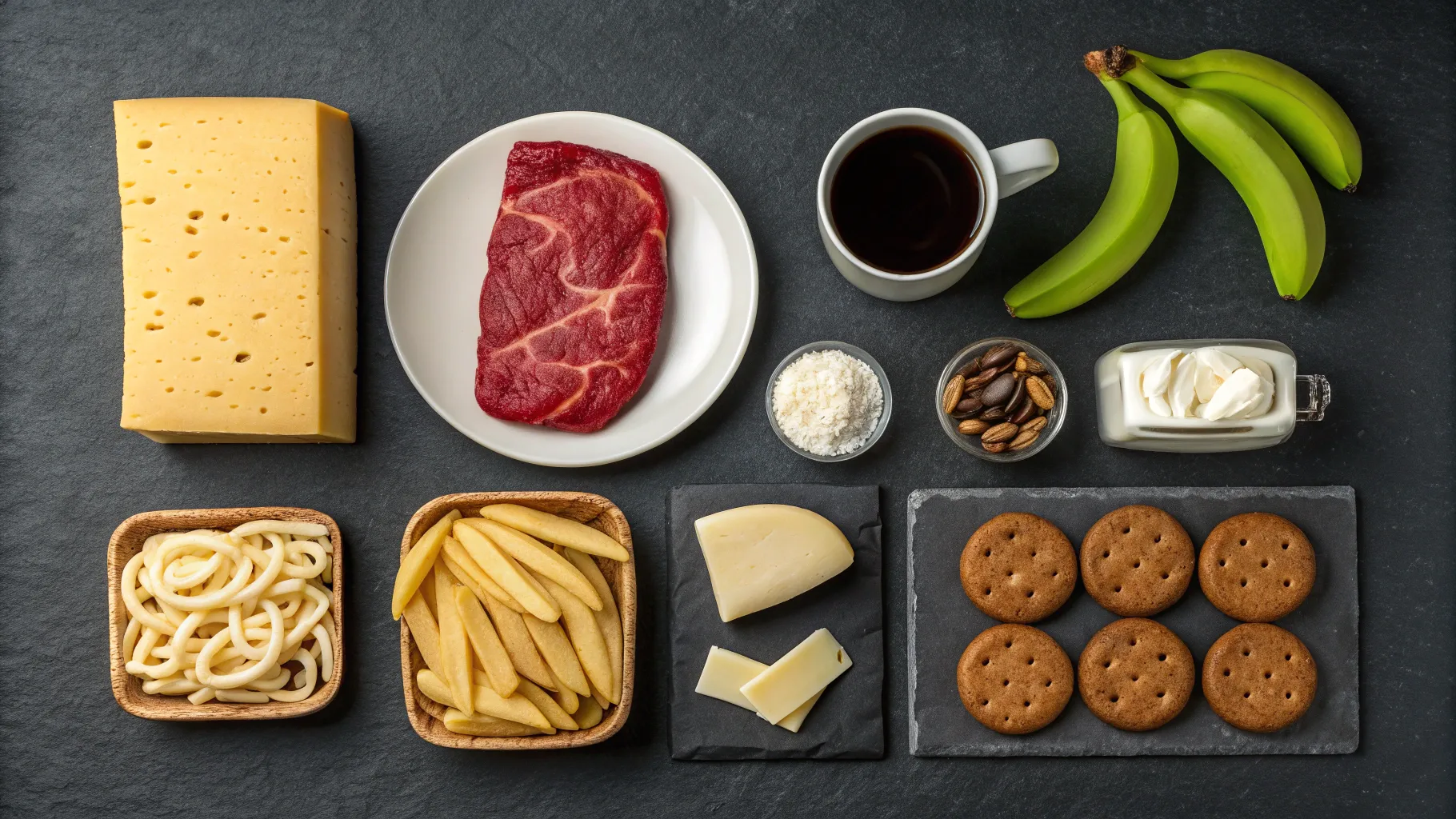
The Top 12 Foods That Cause Constipation
Recognizing the specific 12 foods that cause constipation can be a game-changer for your digestive health. By being mindful of these items, you can actively work to reduce your intake and promote better regularity. Below is a detailed list of common foods known to contribute to this issue.
1. Dairy Products (Cheese & Milk)
While a good source of calcium, dairy products like cheese and milk are notorious constipation causing foods for many individuals. They contain lactose, a sugar that can be difficult for some people to digest, leading to gas, bloating, and constipation. Furthermore, many dairy products are high in fat and contain virtually no fiber, a combination that can significantly slow down digestion.
2. Red Meat
Red meat, such as beef and pork, can be a major contributor to constipation. It is high in fat, which takes the body longer to process, and lacks the fiber needed to add bulk to stool. Additionally, the high iron content in red meat can be binding. The tough protein fibers in red meat can also be more challenging for the digestive system to break down compared to other protein sources.
3. Processed Grains (White Bread, White Rice)
Processed grains, found in items like white bread, white rice, and many pastas, have had their fibrous outer layers (the bran and germ) removed. This process strips them of essential fiber, vitamins, and minerals. Consuming these refined carbohydrates can lead to harder, drier stools that are difficult to pass, making them classic digestive slowdown foods.
4. Fried and Fast Foods
Foods that are deep-fried or heavily processed, such as french fries, chips, and fast-food burgers, are loaded with unhealthy fats and low in fiber. This combination is a recipe for digestive traffic jams. The high-fat content slows down gastric emptying, meaning food stays in your stomach longer, which can back up the entire digestive process.
5. Unripe Bananas
Interestingly, the ripeness of a banana determines its effect on digestion. While ripe bananas can help relieve constipation due to their soluble fiber content, unripe green bananas have the opposite effect. They contain high levels of resistant starch and tannins, which can be difficult to digest and may worsen existing constipation, placing them on the list of constipation trigger foods.
6. Processed and Frozen Meals
Convenience often comes at a cost to your digestive system. Many pre-packaged and frozen meals are high in sodium, unhealthy fats, and preservatives, while being exceptionally low in fiber. These are archetypal examples of what causes constipation foods to be problematic for daily gut health.
7. Sugary Sweets and Desserts
Cookies, cakes, pastries, and other sugary treats are high in fat and refined carbohydrates but offer little to no fiber. A diet high in sugar can negatively impact the balance of good bacteria in your gut, which plays a crucial role in healthy digestion and regular bowel movements.
8. Alcohol
Alcohol is a diuretic, meaning it causes your body to lose more fluid through urination. Dehydration is a primary cause of constipation, as the colon draws water from stool to compensate, making it hard and difficult to pass. Excessive alcohol consumption can also slow down intestinal muscle contractions.
9. Caffeine (in excess)
The relationship between caffeine and digestion is complex. For some, a morning coffee can stimulate a bowel movement. However, like alcohol, caffeine is a diuretic. Consuming it in large quantities without adequate water intake can lead to dehydration and, consequently, constipation.
10. High-Iron Supplements or Foods
While iron is an essential mineral, excessive amounts, particularly from supplements, are a well-known cause of constipation. The unabsorbed iron can have a binding effect in the colon. If you need to take iron, speak with your doctor about non-constipating formulas or ways to counteract this side effect.
11. Gluten-Rich Foods (for sensitive individuals)
For individuals with celiac disease, non-celiac gluten sensitivity, or certain wheat allergies, consuming gluten (a protein in wheat, barley, and rye) can lead to significant digestive issues, including constipation. The inflammation it causes in the gut can disrupt normal bowel function.
12. Persimmons (especially astringent types)
This fruit contains high levels of tannins, particularly the astringent varieties like Hachiya when not fully ripe. Tannins can slow down food movement through the intestines and reduce secretions, making persimmons one of the more surprising constipation causing foods.
Fiber-Rich Alternatives vs. Constipation Trigger Foods
The fundamental difference between foods that promote regularity and constipation trigger foods lies in their nutritional composition, primarily their fiber and water content. Foods that help, such as whole grains, legumes, fruits, and vegetables, are rich in both soluble and insoluble fiber. Insoluble fiber adds bulk to stool, while soluble fiber forms a gel-like substance, both aiding in smooth passage. In contrast, the 12 foods that cause constipation are typically low in fiber and high in fat or processed sugars. Making simple swaps—like choosing brown rice over white, eating an apple instead of a cookie, or opting for grilled chicken over a fried steak—can dramatically increase your fiber intake and reduce your consumption of digestive slowdown foods, leading to improved gut motility and overall digestive wellness.
Practical Tips to Counteract Constipation Causing Foods
Avoiding problematic foods is only part of the solution. Incorporating healthy habits can further support your digestive system and mitigate the effects of occasional dietary missteps.
- Increase Water Intake Dramatically: Fiber needs water to work effectively. Aim for at least 8-10 glasses of water per day to help soften stool and make it easier to pass. Dehydration is a major ally of constipation.
- Gradually Introduce High-Fiber Foods: If your diet is currently low in fiber, introduce high-fiber foods slowly to avoid gas and bloating. Add items like beans, lentils, broccoli, and whole grains to your meals over several weeks.
- Incorporate Regular Physical Activity: Exercise helps stimulate the natural contraction of intestinal muscles. Even a 20-30 minute walk each day can help keep your digestive system moving and prevent slowdowns.
- Read Food Labels Carefully: Become a savvy shopper by checking labels for fiber content. This helps you actively choose foods that support digestion and avoid hidden low-fiber traps in processed foods.
- Consider Probiotic-Rich Foods: Foods like yogurt with live cultures, kefir, and fermented vegetables can help support a healthy gut microbiome, which is essential for proper digestion and regularity.
Frequently Asked Questions
What causes constipation foods to be so problematic?
The primary reason certain foods cause constipation is their nutritional profile. Constipation causing foods are typically very low in dietary fiber, which is essential for adding bulk and softness to stool. They are also often high in fat, which slows down the digestive process, and can be dehydrating (like alcohol or excess caffeine), which leads to harder stools that are difficult to pass.
Are all processed foods considered digestive slowdown foods?
While not all processed foods are inherently bad for digestion, a vast majority fall into the category of digestive slowdown foods. This is because the processing often strips away natural fiber, and manufacturers add high amounts of fat, sugar, and sodium for flavor and preservation. It's always best to check the nutrition label for fiber content before consuming.
How quickly can I see results after removing constipation trigger foods from my diet?
Results can vary depending on the individual and the severity of the constipation. However, many people report feeling improvements within a few days to a week after consistently removing constipation trigger foods and increasing their intake of fiber and water. Consistency is key to long-term relief.
References
- National Institute of Diabetes and Digestive and Kidney Diseases (NIDDK)
- American Gastroenterological Association Guidelines on Constipation
- Journal of Human Nutrition and Dietetics: Dietary fiber and its role in health
- World Journal of Gastroenterology: Chronic Constipation: A review of the literature