11 Winter Home Expenses to Consider for Your Budget
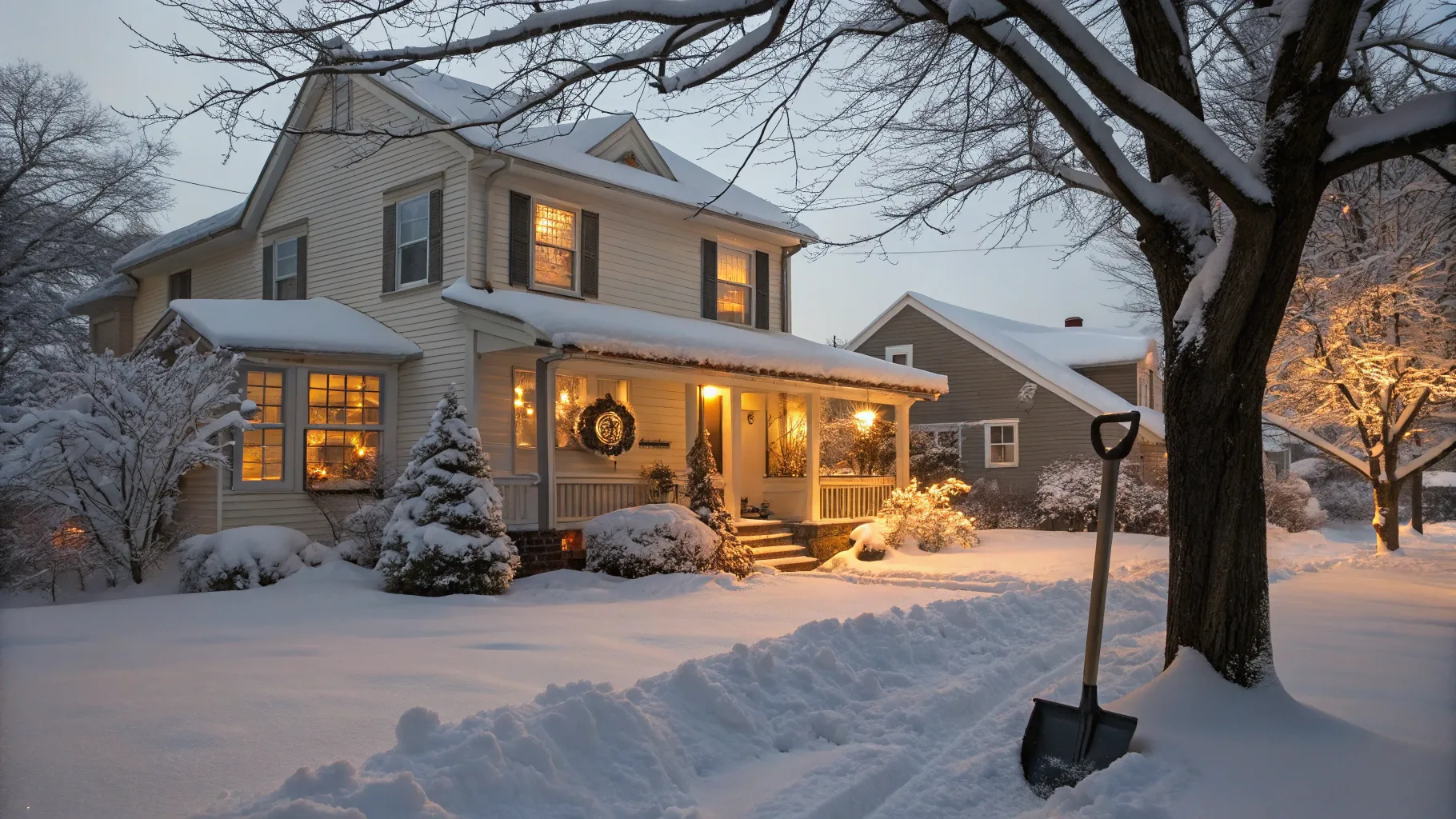
11 Budget Considerations for Winter Home Expenses
As winter approaches, homeowners must brace themselves for seasonal expenses that can weigh heavily on their budgets. With snow, cold temperatures, and increased energy costs looming, it is vital to approach winter home expenses with careful planning. Understanding 11 key winter home expenses will empower you to budget effectively this season. Below, you'll find practical insights to help mitigate financial stress while keeping your home warm and cozy.
1. Heating Costs
Heating expenses often top the list of winter costs. With fluctuating prices in gas and electricity, making an informed plan is essential. In 2025, the Energy Information Administration indicates an average home heating cost increase of 15% compared to last year. A proactive approach, such as scheduling an early maintenance check for your heating system, can enhance its efficiency. A well-maintained furnace can reduce energy bills by as much as 10%, making this an excellent first step in managing your winter expenses.
2. Insulation and Weatherproofing
Effective insulation can significantly impact your heating bills. Recent reports from the Department of Energy highlight that homes could lose approximately 25% of their heat due to drafts and inadequate insulation. Checking for leaks around windows and doors, along with weatherproofing solutions like caulk and weatherstripping, can cost between $200 and $400 but may yield considerable savings on energy bills. Take the initiative to ensure your home is sealed tight against the cold.
3. Snow Removal Services
For those living in snowy climates, budgeting for snow removal services is crucial. Homeowners generally spend between $100 and $300 for every snow event. If your property features a lengthy driveway or sidewalks that require frequent clearing, hiring professionals can save you time and effort. Alternatively, purchasing a snow blower, with prices starting around $300, can be a more economical solution in the long run, especially for heavy snowfall areas.
4. Emergency Repairs
Winter can be unforgiving, with unexpected challenges like burst pipes or roof leaks lurking around every corner. It is wise to set aside approximately 5% of your home's value for emergency repairs. For example, if your home is estimated at $300,000, aim to have $15,000 reserved for unexpected winter issues. Regular inspections of critical home areas like the roof and plumbing can prevent disasters that lead to untimely expenses.
5. Holiday Spending
The festive season can wreak havoc on financial plans, with families typically budgeting around $1,000 for holiday gifts, decorations, and meals. Creating a clear holiday budget can help you avoid overspending and financial stress. Simpler gift-giving approaches, like reducing the list of recipients or opting for handcrafted gifts, can keep costs manageable while still cherishing the spirit of the season.
6. Increased Utility Bills
Aside from heating, overall utility bills usually rise in winter. Americans experience an approximate 20% surge in utility costs during colder months, due to increased energy usage for lighting and cooking. Keeping an eye on your consumption and making necessary adjustments, such as lowering thermostat settings or using energy-efficient bulbs, can mitigate these added expenses.
7. Landscaping Expenses
Winter isn’t typically associated with landscaping, yet the snow and ice can impose costs on homeowners. Damage to trees and shrubbery often necessitates professional landscaping services come spring. Planning and budgeting around $300 for winter maintenance can save you from hefty bills down the road in restoring your yard's health when the weather warms up.
8. Homeowners Insurance Premiums
Winter hazards such as ice and heavy snow can lead to higher homeowners insurance premiums. Reviewing your coverage to ensure it protects against specific risks, like roof collapse from snow overload or ice damage, can save you money in the long haul. Taking the time to compare rates from different insurers may help reduce these expenses substantially.
9. Heating System Upgrades
If your heating system is older than 15 years, consider it a priority to evaluate its efficiency. Newer heating systems are designed to be more energy-efficient, often using up to 30% less energy than their older counterparts. The initial investment for a new system can range between $3,000 and $5,000, but the substantial savings on your energy bills may justify the expense.
10. Holiday Decor Storage
With the holiday season wrapping up, don't forget to plan for storing your seasonal decorations properly. Investing in quality storage solutions not only protects your decor but also ensures you're ready for the next winter celebrations. Budgeting around $150 to $250 on storage materials could be a small price to pay for preserving the joy of holiday spirit year after year.
11. Homeowners Association Fees
If your home is part of a homeowners association (HOA), anticipate higher winter-related fees. Many HOAs impose additional charges to cover the maintenance of shared areas during winter. By reviewing your HOA’s budget and policies early on, you’ll be better equipped to handle any extra fees associated with snow clearing and maintaining safety in communal areas.
When planning for winter home expenses, keeping these 11 budget considerations in mind can make all the difference. You can navigate the cold months ahead without breaking the bank by preparing financially, performing routine maintenance, and being conscious of your seasonal spending. With these strategies, your home can remain a warm and welcoming retreat throughout winter.