11 Holiday Meal Habits That Increase Food Costs
Understanding 11 Holiday Meal Habits Linked to Higher Costs
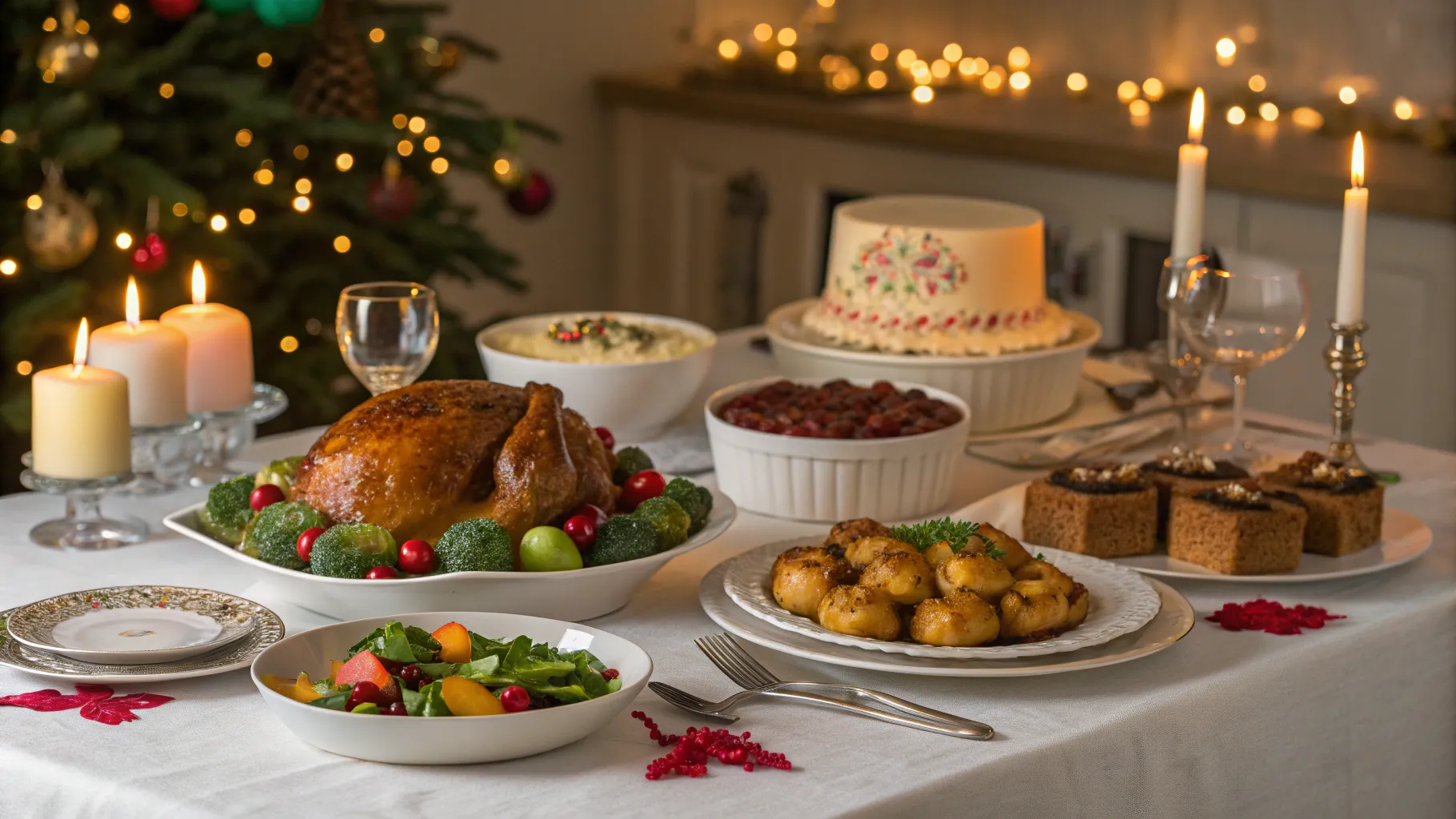
The holiday season often brings joy, celebration, and, unfortunately for many, a significant spike in food expenses. As we gather around the table to share meal traditions with family and friends, understanding the 11 holiday meal habits that contribute to higher costs can help us manage our budgets better. In 2025, with food prices still feeling the heat from inflation, these habits are more relevant than ever.
1. Over-Indulgence in Seasonal Items
One costly habit during the holidays is the temptation to buy every seasonal food item available. From pumpkin spice lattes to extravagant cheese boards, these specialty items come at a premium. Recent statistics indicate that holiday food spending in the season's earlier months can be up to 30% more than during non-holiday times. Prioritize which seasonal treats truly enhance your celebration, and skip the extras.
2. Unplanned Shopping Trips
Another way families inflate their holiday meal costs is through unplanned shopping. When you go to the store without a clear list, it’s easy to be swayed by attractive displays, enticing offers, or last-minute cravings. In fact, studies show that shoppers spending without a predefined list can spend up to 25% more than those who plan their meals ahead. Utilize meal planning to create a grocery list and stick to it, which can save you significant dollars.
3. Buying One-Stop Grocery Store Items
Convenience can drastically affect food budgets. Many individuals opt to buy their entire holiday shopping list from one grocery store that may charge full price for items. This habit can inflate costs by 15% to 20%. Instead, do a little research; compare prices at local markets and discount stores for specialized items. Often, local or smaller grocers can offer better deals on seasonal products.
4. Ignoring Bulk Purchases
Buying in bulk can be incredibly effective when planning holiday meals. For instance, purchasing a large turkey or ham can reduce the per-pound price significantly. Many supermarkets offer first-week deals for bulk purchases that can be beneficial if you are hosting large gatherings. Studies found that families who embrace bulk buying strategies typically save around 10% to 30% on their total grocery bills.
5. Last-Minute Purchases
As the holiday cooking day approaches, those last-minute dashes to the supermarket can lead to price hikes on common items. Prices for essentials like butter, flour, and eggs often rise as demand increases. In recent years, pricing data has indicated that last-minute shoppers can end up paying 50% more than those who purchase items earlier. Establish a timeline for grocery shopping to avoid these expensive trips.
6. Choosing Expensive Cuts of Meat
If you’re opting for a celebratory roast or prime cut, consider the potential savings by choosing more economical options. For instance, a rib roast can cost upwards of $20 per pound, while a pork shoulder or chicken, when prepared properly, can yield equally delicious results at a fraction of the cost. Shoppers have reported that selecting less expensive cuts can save them as much as $100 during holiday meal prep.
7. Not Utilizing Leftovers
One of the biggest missed opportunities during the holidays is the potential savings from leftovers. Many families go to great lengths preparing elaborate holiday meals but often overlook creatively using leftovers. Instead of letting food go to waste, consider crafting meals from leftovers, such as turkey sandwiches, broth, or casseroles. Research shows that effectively utilizing leftovers can save families an average of $50 each holiday season.
8. Failure to Plan Meals Ahead
Meal planning goes hand-in-hand with budgeting. Those who sit down and plan meals ahead typically find they make more efficient use of ingredients, leading to less waste and lower expenses. In fact, meal planning can result in savings of around 20% on holiday meals. Start early; enlist family members to brainstorm meal ideas and finalize a shopping list.
9. Ignoring Seasonal Availability
Some holiday dishes are simply more expensive due to seasonality. Green beans, for instance, can cost significantly more if they are out of season. By choosing seasonal produce, you can potentially save considerable amounts while enhancing flavor. Farmers' markets or community-supported agriculture (CSA) programs can help you find fresh, inexpensive produce more readily available at this time of year.
10. Buying Pre-Packaged Foods
While convenient, pre-packaged foods such as ready-made pies or frozen appetizers can dramatically increase holiday meal costs. Consumers can save a significant percentage by making these foods at home. A homemade pumpkin pie typically costs half of its store-bought counterpart while being fresher and often healthier. Cooking from scratch not only promotes savings but creates a more personal touch to your holiday gatherings.
11. Over-Estimating Guest Counts
One of the most frequent miscalculations during the holidays comes from overestimating how much food is required. It’s easy to assume guests will consume more than they actually do. Research suggests that reducing food quantity by just 10% can align perfectly with average consumption, preventing excessive leftovers and waste. This small adjustment can translate into substantial savings when cooking for larger groups.
Embracing a few strategies while maintaining awareness of these common holiday meal habits linked to elevated costs can make a significant difference in your holiday spending. By planning ahead, making intentional choices and being aware of your shopping habits, you can enjoy festive meals without breaking the bank. The essence of the holiday season lies not only in the joy of gathering but also in how we choose to manage our celebrations pragmatically.