11 Grocery Spending Tips for Tight Budget Success in 2025
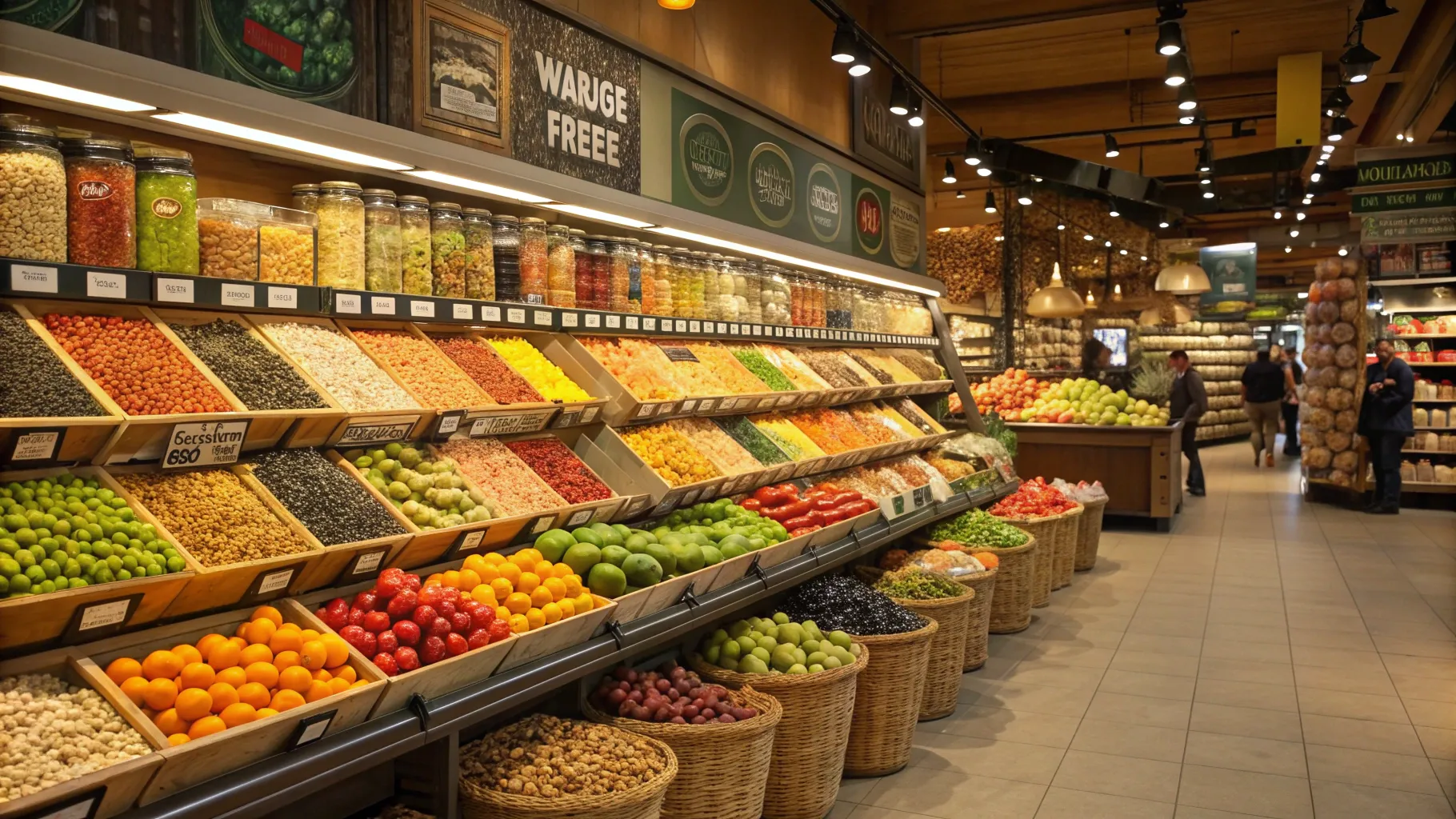
Smart Grocery Spending Considerations for Tight Budgets in 2025
In 2025, navigating the grocery aisles is more challenging than ever for families trying to manage their budgets wisely. With the continuous rise in the cost of living, grocery shopping can feel like a daunting task. Yet, it remains a vital part of our daily lives. Therefore, understanding how to make smart purchasing choices is essential for reducing financial pressures. Here are some effective strategies designed for the contemporary shopper aiming to stretch their grocery dollars while still enjoying healthy, nutritious meals.
Essential Strategies for Grocery Savings in 2025
By adopting thoughtful planning and smart purchasing techniques, you can significantly lower your grocery bills. Below are eleven practical tips to help you make the most out of your shopping experience as you battle tight budgets.
- Create a Detailed Shopping List: Crafting a well-thought-out shopping list is a foundational strategy for saving money at the grocery store. Studies show that sticking to a list can save consumers as much as 25% on their total bill. Focus on what you genuinely need and steer clear of impulse purchases that can quickly add up.
- Understand Store Layouts: Familiarity with your local grocery store layout can streamline your shopping trip, making it easier to follow your list while avoiding tempting aisles. Effective navigation minimizes the risk of overspending because you can quickly pick up your essentials.
- Buy in Bulk Smartly: Buying non-perishable items in bulk can provide significant savings, particularly on staples like grains, cans, and beans. Just ensure that you have the storage space and a plan to utilize these products effectively to avoid wastage and spoilage.
- Embrace Store Brands: More shoppers are discovering that store-brand products can rival name-brands for quality, often at a fraction of the cost. Switching to these options can lead to meaningful savings, giving your budget room to breathe without sacrificing quality.
- Utilize Coupons and Digital Discounts: Grocery stores increasingly promote digital platforms that offer personalized discounts and promotions through apps. By dedicating time to find coupons, you could save around $200 in just six months, a great return on your effort, helping your wallet go a little further.
- Focus on Seasonal Produce: Seasonal fruits and vegetables not only taste better but are usually more affordable. Planning meals around what’s in season enables you to enjoy fresh produce without straining your budget. For example, root vegetables in winter and berries in summer provide a wealth of flavors at lower costs.
- Adopt Meal Prepping: Meal prepping is an effective method for reducing food waste and managing portions. Research indicates that families who meal prep can decrease food waste by up to 50%. By planning your meals effectively, you can take advantage of sales and reduce the likelihood of throwing away spoiled food.
- Plan Meals Based on Weekly Sales: Grocery stores frequently feature discounts on certain items. By reviewing weekly circulars and planning meals around those sales, you can lower your monthly grocery expenses by up to 20%. This flexible approach helps keep your budget in check.
- Pack Your Lunch Wisely: Preparing lunches at home can save you around $200 monthly compared to frequently buying convenience meals. Not only do you save money, but you can also take control of your dietary choices, steering clear of unhealthy options.
- Create New Meals from Leftovers: Leftovers don’t need to be dull. Instead, get creative by incorporating them into new dishes. For example, leftover roasted vegetables can be added to an omelet or turned into a frittata, minimizing food waste while expanding your meal variety.
- Choose Frozen Options: Fresh produce can be pricier than frozen, especially when it’s out of season. Frozen fruits and vegetables retain their nutrients and can be more budget-friendly, providing a way to include nutritious options without immediate use deadlines.
Real-Life Examples of Budget Grocery Strategies
To illustrate the effectiveness of these strategies, consider the Johnson family. By embracing meal prepping and opting for store-brand items, they reduced their monthly grocery spending from $800 to $600. They also shopped at local farmers' markets to take advantage of seasonal produce, enhancing both nutrition and budget.
Similarly, the Garcia family focused their efforts on utilizing online coupons and engaging with store loyalty programs. Their dedication to smart shopping allowed them to save approximately $150 each month. Cooking meals from scratch became another vital strategy, giving them greater control over ingredients and portion sizes—crucial during tighter financial months.
Preparing for Future Grocery Shopping
A sustainable grocery shopping strategy requires long-term planning and careful monitoring of your spending habits. Here are some proactive steps you can take to enhance your grocery shopping game:
- Set a Clear Budget: Establishing a grocery budget enables you to keep tight control over your expenditures. By using budgeting apps or spreadsheets, you can monitor your purchases in real-time, ensuring you stay within your financial means and adjust when necessary.
- Regularly Reassess Your Spending: Take moments to evaluate your monthly spending. Changes in consumption or lifestyle may lead to increased costs. Identifying areas to cut back can lead to unexpected savings.
- Participate in Community Programs: Joining community-supported agriculture (CSA) can connect you with local farmers, offering fresh produce at lower prices. Supporting local businesses not only boosts your local economy but also ensures that you have access to healthier food options at a reasonable cost.
With grocery prices reaching unprecedented levels, having a smart spending strategy is crucial. Current reports indicate that households can spend approximately $9,000 annually just on groceries, a significant portion of most families’ budgets. By refining your grocery shopping tactics and remaining vigilant about your spending, you can alleviate financial pressures while fostering healthier eating habits. Adopt these actionable strategies to boost your grocery shopping experience, ensuring every dollar counts towards a nutritious and balanced diet.