11 Foods That Support Heart Health for Wellness
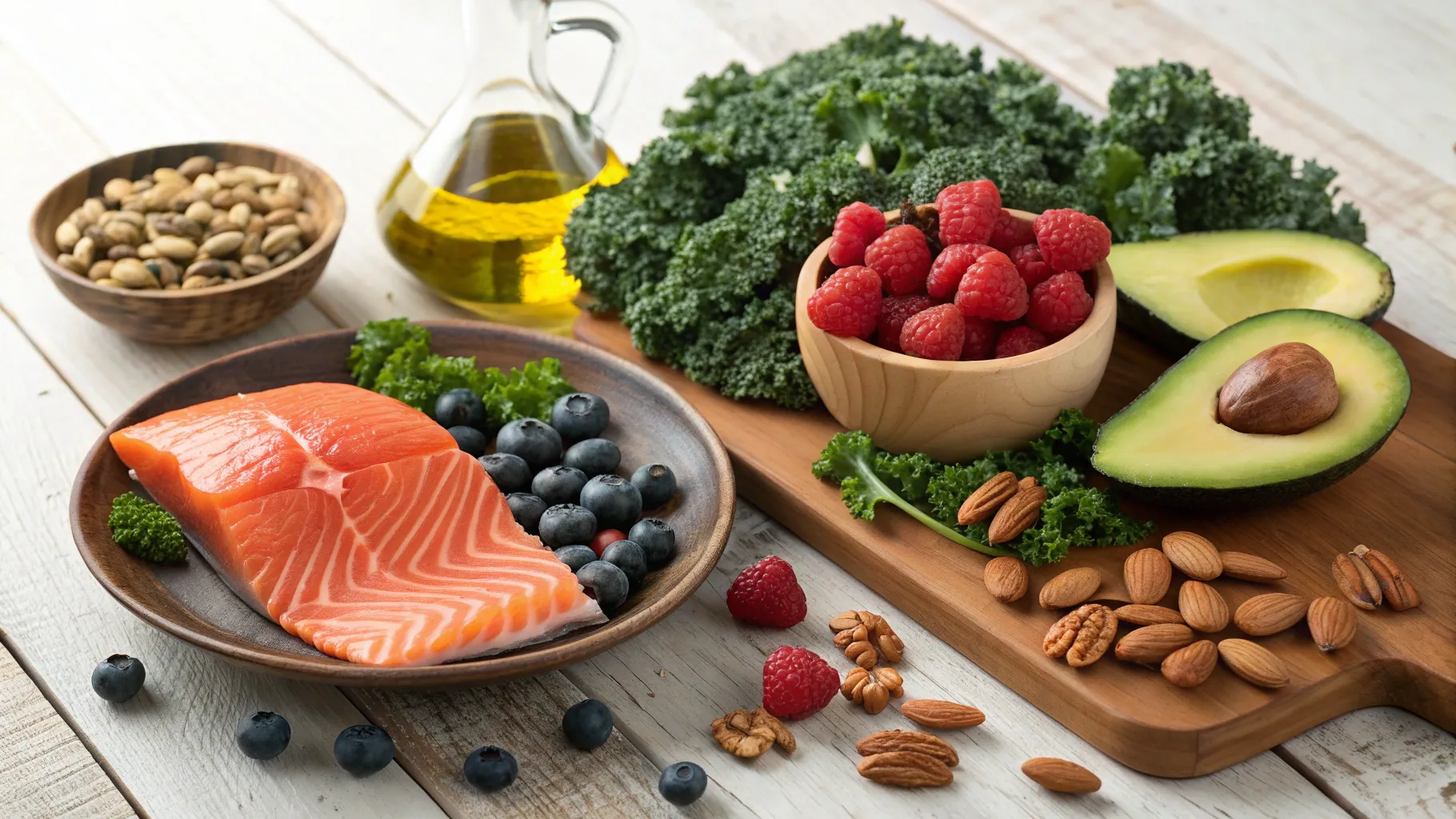
11 Foods That Support Heart Health
Your heart health matters now more than ever. Recent studies continue to emphasize the crucial link between diet and cardiovascular wellness. As experts unveil more information about the role of nutrition, it remains clear that certain foods stand out for their remarkable benefits for heart function. So, what should you be including in your meals? Let’s explore some examples of foods often linked to healthy hearts and why you should consider them in your daily diet.
What to Know About Diet and Cardiovascular Wellness
Eating well is foundational for maintaining a healthy heart. An educational guide to nutrients that support heart function highlights the importance of components like fiber, omega-3 fatty acids, antioxidants, and potassium. These nutrients help lower cholesterol, reduce blood pressure, and maintain healthy circulation throughout the body.
According to the American Heart Association, heart disease remains the leading cause of death in the United States, but making informed food choices can lead to a significant reduction in cardiovascular risks. The following are 11 foods that support heart health, alongside their benefits:
- Fatty Fish: Rich in omega-3 fatty acids, fish such as salmon, mackerel, and sardines are linked to lower blood pressure and reduced triglycerides. A study conducted in early 2025 showed that individuals consuming two servings of fatty fish per week had a 20% reduced risk of heart disease.
- Oats: Whole grains like oats are loaded with beta-glucans, a type of soluble fiber that helps lower bad cholesterol levels. A recent clinical trial indicated that eating a bowl of oatmeal daily led to measurable improvements in cholesterol profiles in participants.
- Berries: Blueberries, strawberries, and blackberries are packed with antioxidants that can reduce inflammation and improve heart health. A 2025 study found that people who regularly consumed berries experienced a significant decrease in blood pressure and arterial stiffness.
- Nuts: Almonds, walnuts, and pistachios are heart-healthy snacks rich in unsaturated fats. Just a handful of these nuts a day can lower cholesterol levels and provide essential nutrients. Research shows that nut consumption is associated with a 30% reduction in heart disease risk.
- Dark Leafy Greens: Spinach, kale, and Swiss chard are high in vitamin K and nitrates, which help to improve vascular function. Regularly including these greens in your diet can lead to improved endothelial function, critical for heart health.
- Avocados: These creamy fruits are rich in monounsaturated fats and potassium, which can lower cholesterol and help regulate blood pressure. Studies have shown that people who eat avocados regularly have better heart health metrics compared to those who do not.
- Beans and Legumes: High in fiber and protein, beans such as lentils and chickpeas can lower blood pressure and cholesterol. A collective analysis revealed that incorporating beans into a regular diet can reduce the risk of heart disease by approximately 22%.
- Olive Oil: Extra virgin olive oil is celebrated for its heart-protective properties, as it is rich in antioxidants and monounsaturated fats. A 2025 study revealed that daily consumption of olive oil was associated with a significant decrease in heart disease risk.
- Dark Chocolate: Yes, you read that right! Dark chocolate, in moderation, can offer heart benefits. Rich in flavonoids, it helps improve circulation and lower blood pressure. A study published earlier this year showed that enjoying a small amount of dark chocolate daily correlated with a 15% reduction in heart disease risk.
- Green Tea: Known for its numerous health benefits, green tea is packed with antioxidants. According to recent research, regular drinkers of green tea showed lower levels of LDL cholesterol and a reduced risk of heart disease, particularly in middle-aged individuals.
How Diet is Studied in Relation to Heart Health
The connection between diet and heart health is a significant area of ongoing research. Scientists use various methodologies, including epidemiological studies, clinical trials, and meta-analyses, to understand how specific foods and dietary patterns affect cardiovascular risk factors. This breadth of research recognizes that no single food is a magic bullet; instead, it’s about the overall pattern of one’s diet that plays a crucial role in promoting heart health.
A landmark study conducted last year surveyed over 50,000 participants and demonstrated the impact of a Mediterranean-style diet rich in these heart-healthy foods on reducing the incidence of coronary artery disease. The findings reinforce the notion that integrating these foods into your daily meals can lead to long-term health benefits and improved heart function.
Moreover, nutritionists emphasize adopting a balanced diet rather than focusing solely on individual foods. So, while adding foods like fatty fish or nuts is essential, it’s critical also to enjoy a diverse range of fruits, vegetables, and whole grains regularly. Tracking your dietary intake and understanding your specific health needs through professional guidance can also aid in optimizing heart health.
In summary, the quest for better heart health starts with our plates. Incorporating these 11 foods that support heart health can empower individuals to make positive dietary changes. As scientific insights unfold, staying informed and proactive in dietary choices remains key to promoting cardiovascular wellness for years to come.