11 Foods That Support Heart Health for Wellness in 2025
11 Foods That Support Heart Health
In today's fast-paced world, heart health has become a significant concern for many. Understanding what to know about diet and cardiovascular wellness is crucial for preventing heart disease and promoting overall health. As of early 2025, numerous studies continue to shed light on how our dietary choices influence heart health. Here, we explore 11 foods that support heart health and their beneficial properties, ensuring you can make better-informed choices for your well-being.
1. Fatty Fish
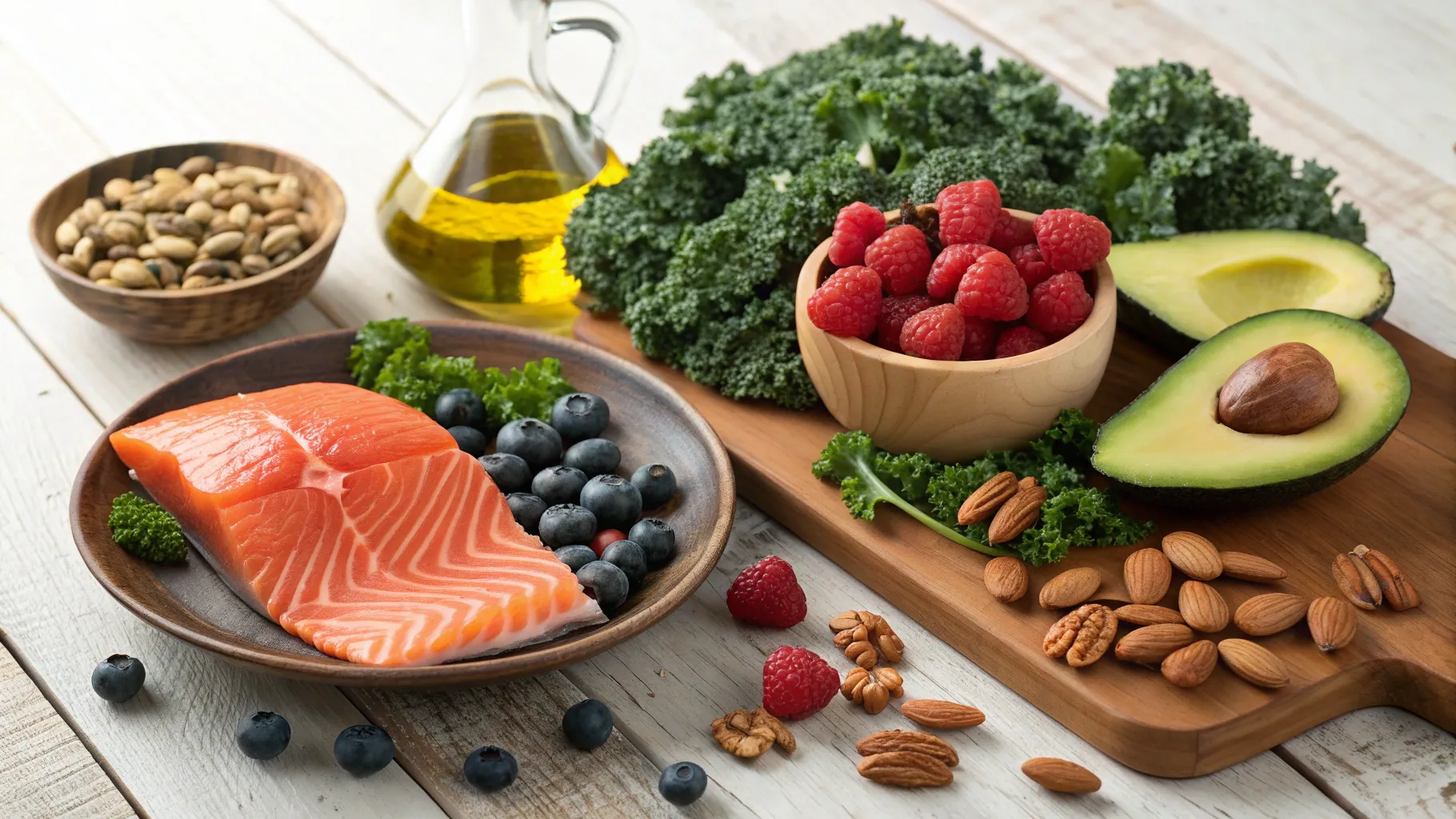
Fatty fish, particularly salmon, mackerel, and sardines, are rich in omega-3 fatty acids. These essential fats have been widely studied for their anti-inflammatory properties and heart health benefits. According to the American Heart Association, a diet rich in omega-3 can help lower blood pressure and reduce triglyceride levels. Just two servings a week can make a significant difference.
2. Avocado
Avocados are not just delicious; they are also packed with potassium and heart-healthy monounsaturated fats. Regular consumption of avocados has been linked to lower cholesterol levels and reduced risk of heart disease. Their unique nutrient profile helps regulate heart functions and reduces inflammation, making them an excellent addition to your diet.
3. Berries
Surprising to many, berries, especially blueberries and strawberries, are filled with antioxidants such as flavonoids. Recent studies have shown that flavonoid-rich berries can improve heart health by lowering blood pressure and reducing LDL cholesterol levels. Mixing berries into breakfast cereals or smoothies can easily incorporate them into your daily routine.
4. Nuts
Nuts, including almonds, walnuts, and pistachios, are small powerhouses of nutrients. They are loaded with healthy fats, fiber, and protein. Research conducted in the past year has indicated that consuming a handful of nuts daily can significantly reduce the risk of heart disease. Their healthy fat content helps lower bad cholesterol levels while increasing good cholesterol.
5. Leafy Greens
Leafy greens such as spinach, kale, and collard greens are excellent sources of vitamins and minerals, providing vitamins A, C, E, and K as well as magnesium and potassium. These nutrients are vital for maintaining heart health. A study published in late 2024 highlighted that individuals who regularly consume leafy greens have a higher chance of maintaining normal blood pressure levels, essential for cardiovascular wellness.
6. Whole Grains
Whole grains such as oatmeal, quinoa, and brown rice are rich in fiber and nutrients that provide considerable heart health benefits. They help reduce cholesterol and improve blood vessel function. Recent guidelines suggest that substituting refined grains with whole grains in your diet can lead to lower risks of heart disease, emphasizing the need for quality carbohydrate sources.
7. Beans
Beans and legumes, such as lentils, chickpeas, and black beans, are not only high in protein but also an abundant source of fiber, which is critical for digestive and heart health. Studies from 2024 found that people who regularly include beans in their diets have lower levels of cholesterol and a reduced risk of heart disease. Incorporating beans into salads, soups, or as a meat substitute can boost your heart health.
8. Dark Chocolate
Yes, you read that right! Dark chocolate, especially those containing 70 percent or more cocoa, can be beneficial for your heart. It is rich in flavonoids, which have antioxidant properties. A meta-analysis performed in 2025 showed that moderate consumption of dark chocolate could improve cholesterol levels and lower blood pressure. Just remember, moderation is key!
9. Olive Oil
Extra virgin olive oil is the cornerstone of the Mediterranean diet, which has been shown to have protective effects against heart disease. Rich in monounsaturated fats and antioxidants, olive oil helps lower blood pressure and reduce inflammation. A study released in 2024 highlighted that replacing saturated fats with olive oil could significantly improve cardiovascular health.
10. Tomatoes
Tomatoes are often overlooked but are key in a heart-healthy diet. They are rich in lycopene, a powerful antioxidant associated with lower heart disease risk. Recent clinical trials have shown that lycopene can help lower cholesterol and blood pressure levels. Whether fresh, cooked, or in sauces, tomatoes can be easily added to many dishes.
11. Garlic
Garlic is not just a flavor enhancer; its health benefits are numerous. Studies indicate that garlic can help reduce blood pressure and support healthy cholesterol levels. Consuming garlic regularly may lead to significant cardiovascular benefits, demonstrating why it deserves a place in your daily cooking. Adding fresh garlic to your meals can enhance both taste and health.
How Diet Is Studied in Relation to Heart Health
Research on diet and heart health continues to evolve, driven by a better understanding of how various foods affect the cardiovascular system. Clinical trials and epidemiological studies utilize methods such as food frequency questionnaires and controlled dietary interventions to examine the effects of nutrient intake on heart health. With technological advances, researchers can now analyze vast amounts of dietary data to identify patterns that correlate with heart disease incidents.
It's clear that consistent consumption of heart-healthy foods can play a critical role in supporting cardiovascular functions. As we learn more about the connection between diet and heart health in 2025, prioritizing nutrient-dense foods can increasingly provide insight into preventative care and overall longevity. Making informed dietary choices today can pave the way for healthier hearts tomorrow.