11 Fascinating Facts About the Brain You Should Know
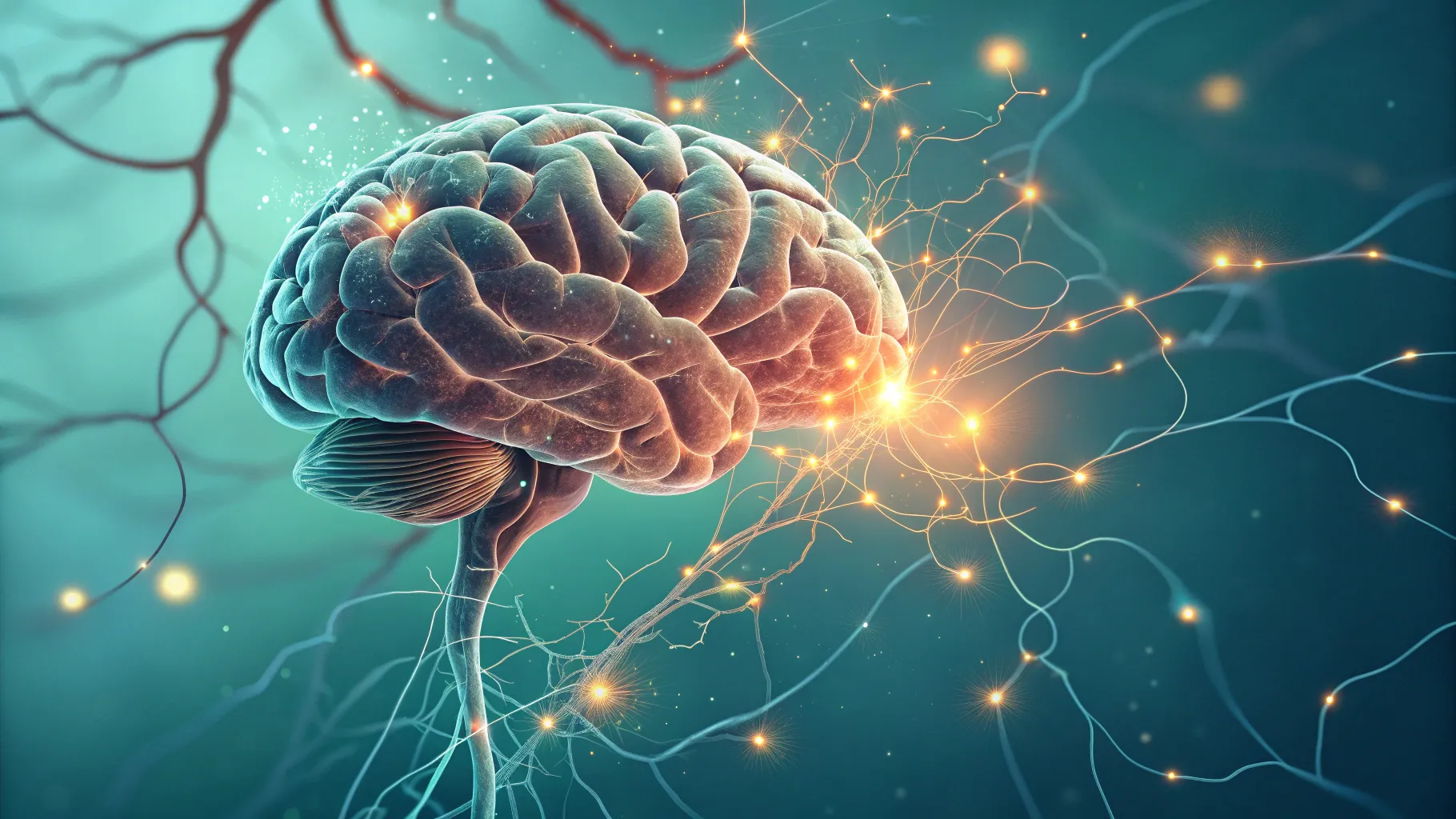
11 Fascinating Facts About the Human Brain You Should Know
The human brain is a remarkable organ, serving as the epicenter of our thoughts, emotions, and actions. As we delve into 2025, ongoing research continues to unveil the complexities and capabilities of this intricate network of neurons. Do you want to understand how our brains shape our experiences and cognition? Here are 11 captivating facts about the brain that highlight its significance.
The Intricacies of Human Brain Function
1. Weight and Composition: The human brain, weighing around 3 pounds (1.4 kg), is composed primarily of water—about 75%! It houses approximately 86 billion neurons that connect through trillions of synapses, creating a complex communication system crucial for all bodily functions.
2. Energy Consumption: Despite constituting only 2% of our body weight, the brain consumes a staggering 20% of the body's energy. This high energy demand is vital for supporting neural impulse generation, maintaining complex cognitive functions, and processing sensory information.
3. Neuroplasticity: One of the brain's most incredible features is its capacity for neuroplasticity. This ability enables the brain to reorganize itself, adapt to new experiences, learn new skills, and recover from injuries throughout life. It emphasizes that our cognitive abilities can evolve, regardless of age.
4. The Role of the Hippocampus: The hippocampus is crucial for memory formation. When we learn something new, connections between neurons in this area strengthen, enabling easier recall. This highlights the importance of continual learning and mental engagement to keep our memories sharp.
5. The Myth of Left-Brain vs. Right-Brain Thinking: The narrative that we are either left-brain (analytical) or right-brain (creative) thinkers has been debunked. Research now demonstrates that both hemispheres collaborate on most tasks, each contributing unique strengths. This collaboration is what allows us to think critically and creatively at the same time.
Insights into Brain Development and Function
6. Rapid Brain Development: Human brain development occurs most rapidly in the early years of life. By the age of 2, a child's brain reaches about 80% of adult size, and this growth significantly influences cognitive abilities and emotional health. Engaging children in stimulating environments during this period can foster robust brain development.
7. The Limitations of Multitasking: While many pride themselves on their ability to multitask, research tells a different story. The brain struggles to simultaneously handle different tasks, leading to decreased performance. For instance, attempting to drive while texting can impair reaction times similar to those observed under the influence of alcohol. Effectively, our brains switch back and forth between tasks rather than performing them concurrently, which can hinder productivity and focus.
8. The Power of Emotions: The amygdala, which is nestled deep within the temporal lobe, is fundamental for processing emotions. This small, almond-shaped structure significantly influences our decisions, often overruling rational thought, especially in moments of stress. Understanding this connection can help us better manage our emotional responses in various situations.
9. Dreams as Reflections of Brain Activity: During sleep, particularly during the REM (Rapid Eye Movement) phase, our brains are highly active. This phase plays a crucial role in processing information and consolidating memories, with dreams serving as a narrative of mental activity. Some studies suggest that dreaming can help us navigate and resolve problems faced in our waking lives.
10. Neurogenesis in Adults: A groundbreaking development in neuroscience is the recognition that adults can create new neurons through neurogenesis. This discovery opens up pathways for potential treatments to combat neurodegenerative diseases such as Alzheimer’s and mental health disorders, hinting at the brain’s incredible resilience and adaptability, even in adulthood.
11. Understanding Brain Waves: Our brain operates through various types of electrical activity known as brain waves. These waves are categorized by frequency into several types: delta (deep sleep), theta (light sleep and creativity), alpha (calmness), beta (alertness), and gamma (intense focus). Each type of brain wave corresponds to different states of consciousness and mental activity.
Grasping these fascinating facts about the brain not only enhances our understanding of human biology but also underscores the importance of mental health and cognitive training. To support cognitive functions, individuals can engage in activities designed to stimulate brain activity, from puzzles to learning new languages. Nurturing our brain health through a balanced diet, regular exercise, and social interactions can significantly improve our quality of life.
As our understanding of brain functions and characteristics advances, the potential for enhancing our cognitive abilities and memory retention becomes more thrilling. In our rapidly evolving society, it is essential to place a premium on brain health, ensuring we harness the full potential of our powerful minds effectively. Through continuous research and awareness, we cultivate new avenues for exploring our consciousness and shaping our experiences, thoughts, and behaviors.
The brain truly is the cornerstone of human existence, guiding us through the complexities of life and connections. Discovering more about this intricate organ encourages a greater appreciation for the mind's power and potential.