11 Fascinating Facts About the Human Brain Functions
11 Fascinating Facts About the Brain That Will Surprise You
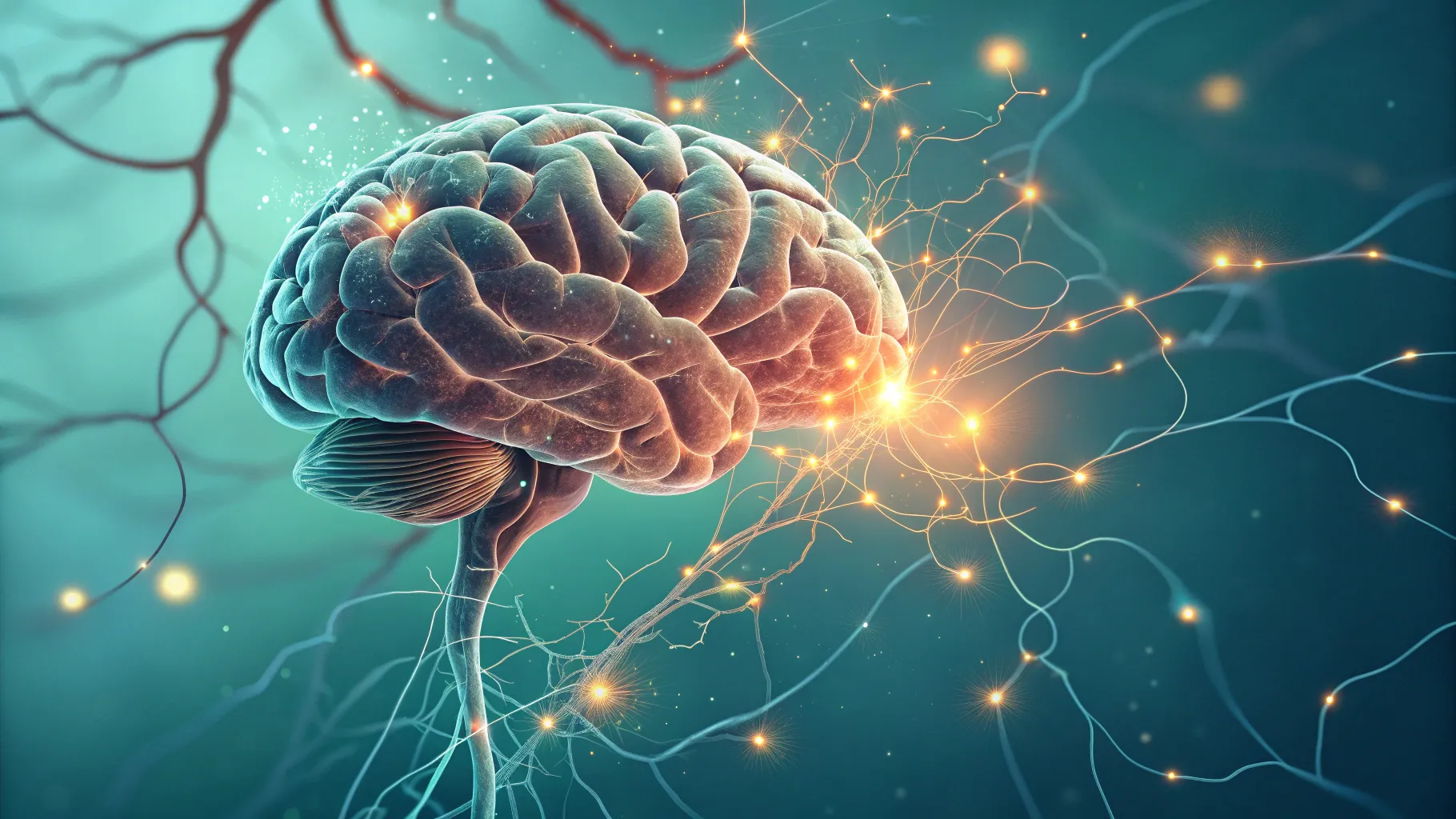
The human brain remains an extraordinary organ, continuously fascinating researchers and laypeople alike. As we delve deeper into the realms of neuroscience and psychology, we uncover intricate details that illuminate how our brains function and influence our daily lives. Here, we explore 11 compelling facts about the brain that highlight its unique capabilities, making it a spotlight of interest in health and science discussions.
1. The Brain is a Remarkable Energy Consumer
Despite making up only about 2% of your total body weight, your brain astonishingly consumes around 20% of the oxygen and calories your entire body requires. This high energy demand is necessary for the sustenance of neurons—the brain's core communicators. This phenomenon emphasizes the brain's role as a powerhouse in our physiology, ensuring that complex cognitive tasks are executed efficiently. In practical terms, keeping your brain well-fueled with a balanced diet can boost cognitive performance and mental clarity.
2. A Network of Neurons and Supportive Glial Cells
Within your brain lies an intricate network consisting of about 86 billion neurons, all diligently communicating through trillions of connections known as synapses. However, it's essential not to overlook glial cells—the brain's unsung heroes. Initially dismissed as mere supporters, these cells are now recognized as vital in facilitating communication among neurons and maintaining overall brain health. They play key roles in neuroprotection and metabolic support, helping improve memory and cognitive abilities.
3. The Brain's Incredible Neuroplasticity
Neuroplasticity is one of the brain's most astonishing features—the ability to reorganize itself by forming new neural connections throughout life. This characteristic means that your brain can adapt after injuries, learn new skills, or even alter functions based on experience. Current research shows that engaging in new activities, such as learning a musical instrument or mastering a foreign language, can stimulate the growth of connections in your brain, leading to lasting changes in its structure and capabilities.
4. Key Role of the Hippocampus in Learning and Memory
The hippocampus, nestled in the medial temporal lobe, is vital for learning and memory formation. It acts like a library, categorizing and processing our experiences for future recall. Recent studies have highlighted that engaging in cognitive training can enhance the hippocampus’s functionality, allowing older adults to build and retain memories better than previously thought. This ongoing research suggests that intellectual exercises are beneficial, making it possible to fight cognitive decline with the right behavioral approaches.
5. Understanding Hemisphere Specialization
One of the brain's most intriguing features is its division into left and right hemispheres, each dedicated to different functions. The left hemisphere is mainly responsible for language, logic, and analytical tasks, while the right hemisphere excels in creativity, intuition, and visual-spatial skills. This lateralization is evident in how individuals process information, leading to diversity in thought patterns and problem-solving approaches in daily life.
6. The Vital Relationship Between Sleep and Memory
Sleep is not just a time for rest; it's a critical phase for memory consolidation. During sleep, particularly in REM (Rapid Eye Movement) stages, your brain processes and organizes the information you’ve learned throughout the day. A 2025 study reported that individuals adhering to a consistent sleep schedule exhibited significantly enhanced memory recall, marking the deep connection between quality sleep and cognitive effectiveness. Prioritizing sleep could significantly improve your learning and retention capabilities, particularly in challenging subjects.
7. The Dynamic Nature of Memory
A common misconception is that memories are static entities, much like files saved on a computer. In reality, memory is remarkably dynamic. Each time a memory is retrieved, it may undergo slight alterations based on our current emotional context or environment—this process is known as reconsolidation. This fact has far-reaching implications, particularly in fields such as law enforcement, where eyewitness accounts can be influenced by the emotions and contexts surrounding an event.
8. Insight into the Brain's Reward System
The brain’s reward system, which includes areas like the nucleus accumbens and the ventral tegmental area, is fundamental in motivating behaviors necessary for survival and happiness. When you engage in activities that provide pleasure—such as eating your favorite food or achieving a personal goal—dopamine, the key neurotransmitter, is released, reinforcing those positive actions. Recent research is increasingly focusing on this system to develop better interventions for addiction and other behavioral health issues.
9. The Influence of Emotions on Memory Encoding
Emotions heavily influence our memory and learning capabilities. The amygdala, an essential brain region involved in emotional processing, determines how strong and lasting a memory will be based on the emotional weight it carries. Studies in 2024 demonstrated that emotionally charged events are encoded more strongly than neutral ones, highlighting how our feelings can enhance or hinder memory retention.
10. Brain Size Versus Intelligence
There's a common myth equating larger brains with higher intelligence. However, studies reveal that a more accurate measure is the encephalization quotient (EQ), which considers brain size relative to body size. For example, dolphins boast high EQs and exhibit remarkable problem-solving abilities. This illustrates that the brain's structural efficiency plays a critical role in cognitive performance, rather than its size.
11. The Intricate Link Between Mental Health and Brain Function
Mental health is deeply tied to brain function, with imbalances in neurotransmitters and structural changes having significant outcomes on mental well-being. Conditions like anxiety and depression can stem from alterations in brain chemistry and architecture. As brain imaging technology progresses, it enhances the capabilities of diagnosing and tracking mental health disorders, paving the way for improved treatments and positive outcomes.
The complex and fascinating functions of the brain solidify its position as the control center of our lives. Understanding these 11 facts about the brain not only feeds our curiosity but also allows us to appreciate this remarkable organ that governs our thoughts, emotions, and actions. Engaging with this knowledge can inspire us to adopt healthier lifestyles and mental strategies that promote lifelong brain health.