10 Ways to Lower Heating Costs: Your Ultimate Guide to Reduce Bills
Facts:
- Heating can account for over 40% of a home's utility bill.
- A popular trend shows programmable thermostats can save homeowners up to 10% annually.
A Comprehensive Guide to Reducing Winter Energy Expenses
As winter approaches, the dread of soaring energy bills becomes a reality for many households. The key to managing these expenses is a proactive approach, and this guide to 10 ways to lower heating costs is designed to provide you with actionable strategies. By implementing these tips, you will not only see a significant reduction in your monthly statements but also contribute to a more energy-efficient home. This is more than just a list; it's a complete framework for how to save money on heating, ensuring your comfort doesn't come at an exorbitant price. Let's explore the most effective 10 ways to reduce heating bills in winter.
The Top 10 Ways to Lower Heating Costs
Achieving significant savings on your heating bill requires a multi-faceted approach. Below are ten proven methods that form the core of any effective cost-reduction strategy. A full understanding 10 ways to lower heating costs empowers you to make smarter choices for your home and budget.
1. Program Your Thermostat
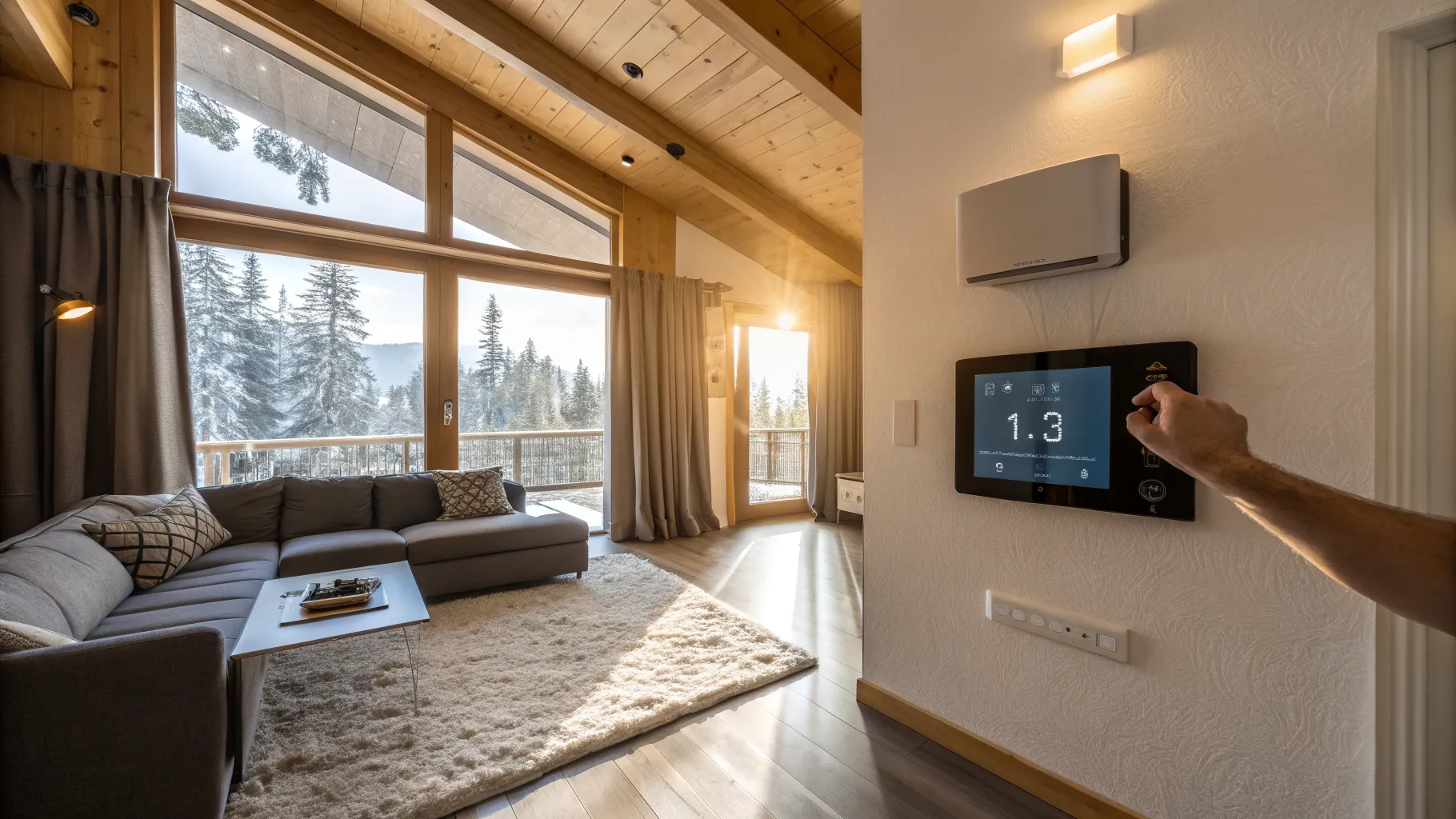
One of the simplest yet most effective 10 heating bill hacks is to manage your thermostat intelligently. A programmable or smart thermostat allows you to set lower temperatures when you're asleep or away from home. Lowering the temperature by just a few degrees for eight hours a day can lead to substantial savings over the entire winter season. Smart thermostats go a step further by learning your schedule and can be controlled remotely, offering maximum efficiency and convenience.
2. Seal Air Leaks
Drafts are a major source of heat loss. Cold air seeping in through cracks and gaps around windows, doors, electrical outlets, and plumbing penetrations forces your heating system to work overtime. Conduct a thorough inspection of your home and use weatherstripping, caulk, or foam sealant to close these gaps. This is a fundamental step in any guide to 10 ways to lower heating costs and often provides the fastest return on investment.
3. Upgrade Your Insulation
Proper insulation acts as a blanket for your home, keeping the warm air in and the cold air out. Many older homes are under-insulated, especially in the attic. Adding insulation to your attic, walls, and crawl spaces can drastically reduce heat loss. While it's a larger initial investment, the long-term savings make it a crucial part of how to save money on heating for years to come.
4. Use Curtains and Window Coverings Strategically
Your windows can be a source of significant heat loss. During sunny winter days, open your curtains to let the sunlight in and naturally heat your home. As soon as the sun goes down, close them to provide an extra layer of insulation. Insulated or thermal curtains are particularly effective at preventing heat from escaping through the glass, a simple trick among the 10 ways to reduce heating bills in winter.
5. Maintain Your Furnace
An inefficient furnace uses more energy to produce the same amount of heat. Ensure your heating system is running at peak performance by scheduling an annual professional tune-up. Additionally, remember to clean or replace your furnace filters regularly (typically every 1-3 months). A clogged filter restricts airflow, making the system work harder and increasing your energy consumption.
6. Reverse Your Ceiling Fans
Many people associate ceiling fans with cooling, but they can be a valuable tool in winter as well. Most fans have a switch that reverses the direction of the blades. In the winter, you want the blades to spin clockwise at a low speed. This pushes the warm air that naturally rises and pools near the ceiling back down into the living space, improving heat distribution and allowing you to lower your thermostat.
7. Reduce Hot Water Heater Temperature
Your water heater is another major energy consumer in your home. Many manufacturers set the default temperature at 140°F (60°C), which is often unnecessarily high. Lowering the temperature to 120°F (49°C) is sufficient for most households. This simple adjustment not only saves energy but also reduces the risk of scalding.
8. Wear Warmer Clothing Indoors
This may seem obvious, but it's a highly effective strategy. Instead of cranking up the thermostat, put on a sweater, warm socks, or use an extra blanket. By dressing in layers, you can comfortably set your thermostat a few degrees lower, which translates directly into savings. This is one of the most cost-effective 10 heating bill hacks.
9. Use Space Heaters Wisely
If you only use one or two rooms for most of the evening, consider using a modern, energy-efficient space heater to warm just that area. This allows you to lower the central heating thermostat for the entire house. However, it's crucial to use them safely and choose models with automatic shut-off features. This targeted approach is key to an effective strategy for how to save money on heating.
10. Conduct a Home Energy Audit
For a comprehensive understanding 10 ways to lower heating costs in your specific home, consider a professional energy audit. An auditor will use tools like blower doors and infrared cameras to identify exactly where your home is losing the most heat. They will provide a detailed report with prioritized recommendations, giving you a clear roadmap for improving efficiency and maximizing savings.
Your Winterization Checklist: Actionable Heating Bill Hacks
Getting started can feel overwhelming, so here is a practical checklist. Implementing even a few of these 10 heating bill hacks can make a noticeable difference on your next utility bill.
- Check for Drafts: On a windy day, carefully move your hand around window frames, door frames, and electrical outlets to feel for drafts. Seal any you find with caulk or weatherstripping.
- Inspect Insulation: Take a look in your attic. If you can see the tops of the floor joists, you likely need more insulation.
- Program Thermostat Settings: Set your thermostat to 68°F (20°C) when you are home and awake, and set it lower when you are asleep or away.
- Review Window Coverings: Assess if your current curtains are effective. Consider upgrading to thermal curtains for north-facing windows or rooms that feel particularly chilly.
- Change Furnace Filter: Mark a recurring date on your calendar to check and change your furnace filter to ensure optimal airflow and efficiency.
Frequently Asked Questions
What is the most effective of the 10 ways to reduce heating bills in winter?
While all methods contribute to savings, the most impactful is typically a combination of properly programming your thermostat and thoroughly sealing air leaks. These two actions address the most common sources of energy waste in a home and offer a very high return on a minimal investment of time and money.
How much can I really save by following this guide to 10 ways to lower heating costs?
Savings vary depending on your home's age, location, existing insulation, and your current energy habits. However, by consistently applying these principles, many homeowners can reduce their heating bills by 10% to 30% or even more, making the effort well worth it.
Are smart thermostats a good investment for saving money on heating?
Absolutely. Smart thermostats are one of the best 10 heating bill hacks for long-term savings. They automate the process of temperature management, learn your household's patterns, and provide valuable data on your energy usage, helping you make even smarter decisions about your heating.
References
- U.S. Department of Energy - Home Heating Guides
- Energy Star Program - Home Efficiency Reports
- National Renewable Energy Laboratory (NREL) Publications