10 Warning Signs You May Have Kidney Disease Symptoms
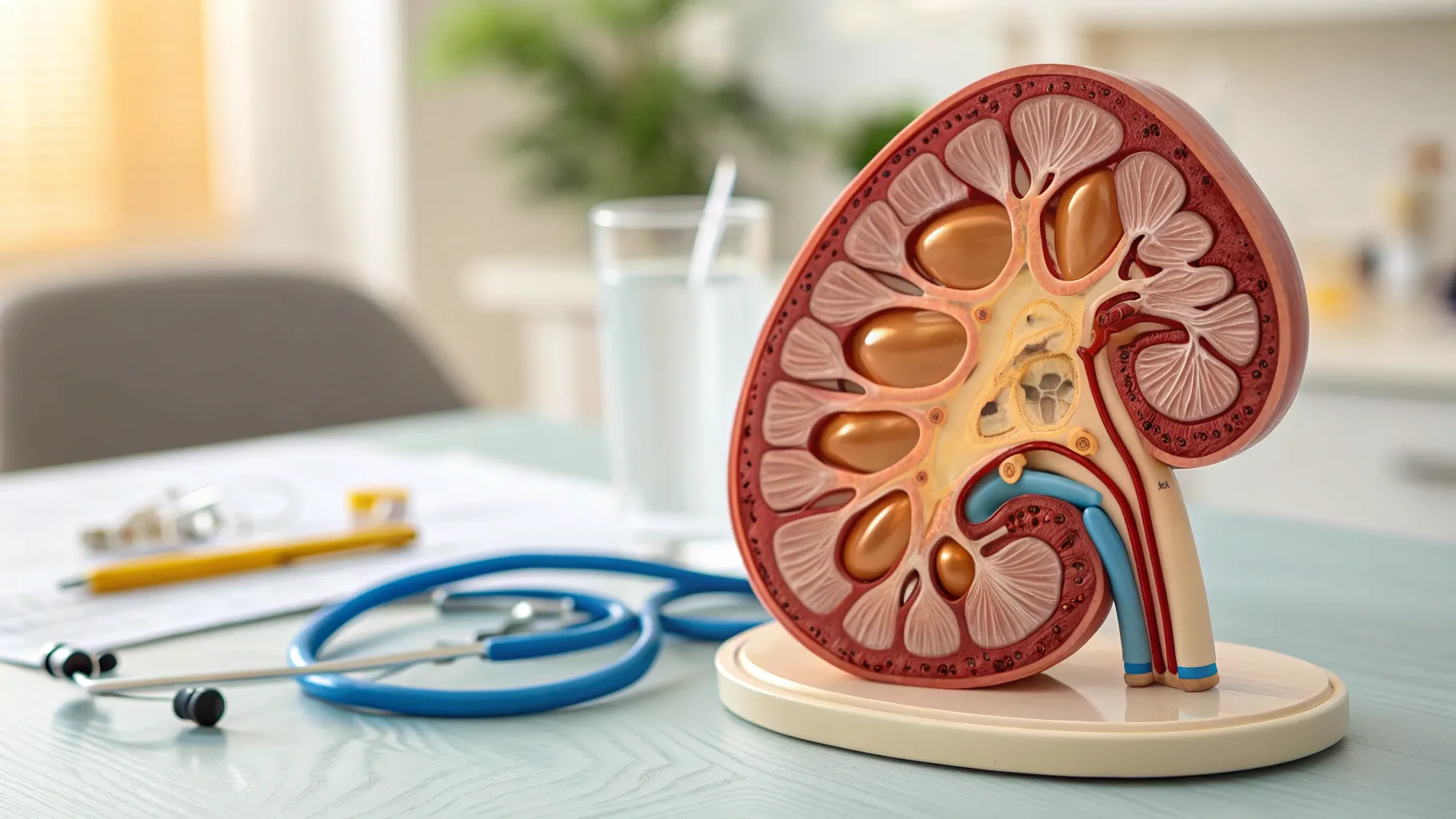
10 Kidney Disease Signs You Should Never Ignore
Your kidneys play a crucial role in maintaining your overall health. They filter waste products from your blood, regulate blood pressure, and balance fluids in your body. However, kidney disease is often referred to as a "silent killer" because symptoms can go unnoticed until the disease has progressed significantly. Understanding the 10 kidney disease signs can help you address potential issues early on and protect your kidney health.
Recognizing Early Kidney Symptoms
Detecting early kidney issues requires awareness of various indicators that may point to health concerns. If you notice any of the following symptoms, it is important to consult a healthcare professional for further assessment and potential testing.
- Increased Urination: One of the first signs of kidney problems is the need to urinate more frequently than usual. This may particularly become noticeable at night, disrupting sleep patterns.
- Puffy Eyes and Swollen Feet: Fluid retention can lead to noticeable swelling, especially in the eyes and feet. This occurs when kidneys do not effectively remove water or salt.
- Fatigue and Weakness: If you feel unusually tired or weak, it could be due to the accumulation of toxins in your body due to impaired kidney function.
Additionally, data from recent studies indicate that about 37 million adults in the United States have chronic kidney disease, yet many remain undiagnosed. This underscores the importance of being vigilant about your kidney health.
- Changes in Urine Appearance: Urine that is noticeably dark, cloudy, or even blood-tinged could indicate a problem with your kidneys.
- Persistent Back Pain: Pain in the lower back or flank area can signal kidney issues, especially if it is unilateral (on one side) and persistent.
- Dry, Itchy Skin: Skin rashes or persistent dryness may stem from an imbalance in electrolytes and the accumulation of waste products when the kidneys are not functioning effectively.
Understanding Kidney Health Concerns
The above indicators are just a few of the early warning signs that may signal kidney disease. Other symptoms to watch out for include:
- High Blood Pressure: The kidneys play a critical role in regulating blood pressure. When they are compromised, you may experience spiked readings.
- Metallic Taste in Mouth: A strange metallic taste in your mouth and bad breath can occur when waste products build up in the body.
- Decreased Appetite: If you find that you are eating less or have no desire to eat, this could be a result of kidney dysfunction.
Each of these signs is significant in its own right, but when they occur together, they may serve as a red flag for kidney disease. For example, individuals with chronic kidney disease report symptoms like fatigue and a metallic taste, indicating that multiple organ systems could be affected.
According to the National Kidney Foundation, about 1 in 3 adults in the United States is at risk for kidney disease due to factors like diabetes and high blood pressure. Understanding these kidney issue indicators becomes essential, particularly if you have existing health concerns.
Why Early Detection Matters
Early detection of kidney disease can significantly alter the trajectory of your health. When kidney issues are diagnosed promptly, there is a greater chance of managing or even reversing damage through lifestyle changes or medical interventions. For instance, diets low in salt and phosphorous, hydration, and exercise can often improve kidney function.
Moreover, if you are above the age of 60 or have risk factors such as obesity, diabetes, or a family history of kidney disease, consider scheduling regular check-ups. Blood tests that measure creatinine levels and glomerular filtration rate (GFR) can provide vital insights into your kidney function.
Taking Control of Your Kidney Health
Empowering yourself with knowledge about your health is a key component of kidney disease prevention. Regular check-ups and open communication with your healthcare provider are critical. Additionally, educating yourself about the lifestyle changes that encourage kidney health is equally important.
- Stay Hydrated: Drinking enough water daily helps your kidneys flush out toxins and reduces the risk of kidney stones.
- Maintain a Balanced Diet: Prioritize a diet rich in fruits, vegetables, whole grains, and lean proteins while limiting processed foods.
- Exercise Regularly: Aim for at least 150 minutes of moderate aerobic activity each week to maintain blood pressure and blood sugar levels.
Kidney disease awareness is vital in today’s society, where lifestyle choices can make a significant impact on health. In fact, reports from health organizations reveal that nearly 90% of chronic kidney disease patients remain unaware of their condition. This statistic highlights how crucial it is to recognize the signs of kidney disease early.
In summary, being proactive about your kidney health by acknowledging early signs of kidney disease can lead to better outcomes. By monitoring your health and maintaining a lifestyle supportive of kidney function, you are taking significant steps toward ensuring your long-term well-being.