The Ultimate Aging Supplements Guide: 10 Vitamins for Seniors
Facts:
- Vitamin D deficiency affects over 40% of seniors worldwide.
- Personalized vitamin packs are a growing trend for older adults.
Essential Nutrients: A Deep Dive into Vitamins Seniors Need
As we age, our bodies undergo significant changes, and so do our nutritional requirements. Maintaining optimal health and vitality in the golden years often requires a more focused approach to diet and supplementation. This comprehensive aging supplements guide is designed to clarify which nutrients are most crucial. Understanding the specific vitamins for older adults can make a substantial difference in energy levels, cognitive function, and bone health, forming the foundation of a proactive wellness strategy. We will explore the most vital senior vitamin supplements to consider incorporating into your daily routine.
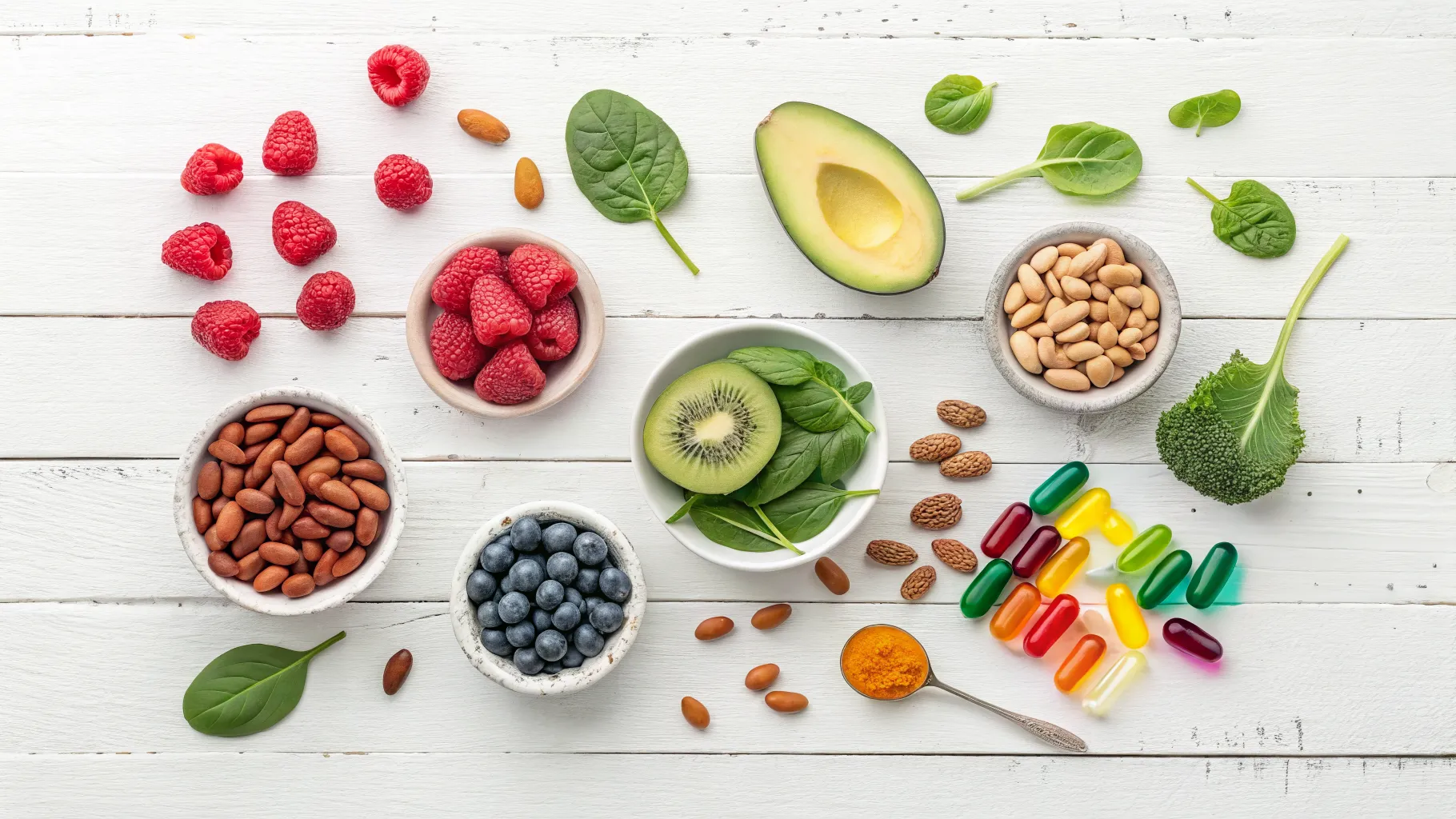
The Top 10 Vitamins for Seniors Your Body Craves
Navigating the world of supplements can be overwhelming. To simplify, we've compiled a list of the top 10 vitamins for seniors, focusing on those that address the most common physiological changes associated with aging. Each of these plays a unique and critical role in supporting long-term health and well-being, making them key components of any effective regimen of senior vitamin supplements.
1. Vitamin D
Often called the 'sunshine vitamin,' Vitamin D is crucial for calcium absorption and bone health. As people age, their skin becomes less efficient at synthesizing Vitamin D from sunlight, and they may spend more time indoors, increasing the risk of deficiency. A deficiency can lead to osteoporosis and an increased risk of fractures. This is arguably one of the most important vitamins seniors need to supplement, especially during winter months or for those with limited sun exposure.
2. Vitamin B12
Vitamin B12 is essential for nerve function and the formation of red blood cells. The ability to absorb B12 from food can decrease with age due to lower stomach acid production. A deficiency can lead to neurological problems, fatigue, and anemia. For many older adults, a B12 supplement is not just beneficial but necessary, making it a cornerstone of the 10 vitamins for seniors list.
3. Calcium
Calcium is synonymous with strong bones and teeth. Post-menopausal women, in particular, are at high risk for bone density loss. While dairy products are a good source, many older adults may not consume enough, or their bodies may not absorb it as efficiently. Supplementing with calcium, often in combination with Vitamin D, is a common strategy recommended in every aging supplements guide.
4. Magnesium
This mineral is involved in over 300 biochemical reactions in the body, including muscle and nerve function, blood glucose control, and blood pressure regulation. Many seniors have inadequate dietary intakes of magnesium. Supplementing can help support cardiovascular health, improve sleep quality, and maintain muscle mass, making it one of the essential vitamins for older adults.
5. Vitamin B6
Vitamin B6 is vital for brain development and function, and it helps the body make the hormones serotonin and norepinephrine, which influence mood. It also helps produce melatonin, which regulates the body clock. Requirements for B6 may increase with age, and ensuring adequate intake is part of a complete approach to finding the right senior vitamin supplements.
6. Omega-3 Fatty Acids
While not a vitamin, Omega-3s (like EPA and DHA found in fish oil) are critical for brain health, reducing inflammation, and supporting cardiovascular function. They have been shown to lower triglycerides and may reduce the risk of cognitive decline. Many seniors benefit from an Omega-3 supplement, especially if they don't regularly consume fatty fish.
7. Potassium
Potassium is crucial for managing blood pressure, which is a common concern for older adults. It helps to lessen the effects of sodium and is vital for heart health. While best obtained through a diet rich in fruits and vegetables, some seniors may need a supplement, as directed by a healthcare provider, to maintain proper balance. It's a key mineral that complements any list of vitamins seniors need.
8. Coenzyme Q10 (CoQ10)
CoQ10 is an antioxidant that your body produces naturally, and it plays a key role in energy production within cells. Levels of CoQ10 tend to decrease with age. Supplementing can support heart health and may help manage conditions exacerbated by oxidative stress. It is a popular addition to many aging supplements guide recommendations.
9. Zinc
Zinc is essential for immune function and wound healing. As we age, our immune system can weaken, a process known as immunosenescence. Adequate zinc levels are necessary to support a robust immune response. It is one of the most important minerals to consider when looking at vitamins for older adults.
10. Vitamin C
A powerful antioxidant, Vitamin C is vital for a healthy immune system, skin health, and the repair of all body tissues. It helps protect cells from damage caused by free radicals. While many fruits and vegetables are rich in Vitamin C, a supplement can ensure consistent, adequate intake, rounding out our list of the top 10 vitamins for seniors.
Choosing the Right Senior Vitamin Supplements: A Comparison
When selecting senior vitamin supplements, the choice often comes down to an all-in-one multivitamin versus individual supplements. A multivitamin tailored for seniors can provide a broad spectrum of essential nutrients and is convenient. However, it may not offer therapeutic doses for specific deficiencies. Individual supplements allow for targeted, higher-dose support for known issues, like a severe Vitamin D deficiency. The best approach often involves a foundational senior multivitamin supplemented with specific nutrients like Vitamin B12 or Omega-3s based on individual health needs, diet, and doctor recommendations. It's a crucial part of any aging supplements guide to personalize the regimen.
How to Safely Incorporate Vitamins for Older Adults
Starting a new supplement regimen requires careful consideration. To ensure safety and efficacy, follow these actionable steps:
- Consult Your Healthcare Provider: Before starting any new senior vitamin supplements, discuss them with your doctor or a registered dietitian. They can order blood tests to identify specific deficiencies and recommend appropriate dosages.
- Check for Interactions: Vitamins and minerals can interact with prescription medications. For example, Vitamin K can interfere with blood thinners. Always review potential interactions with your pharmacist or doctor.
- Prioritize Quality: Choose supplements from reputable brands that have undergone third-party testing (e.g., USP, NSF). This ensures the product contains what it claims and is free from contaminants.
- Start with Lower Doses: When introducing a new supplement, begin with a lower dose to see how your body reacts before moving to the recommended amount. This is especially important for minerals like magnesium, which can have digestive side effects.
- Read Labels Carefully: Pay attention to the form of the vitamin (e.g., Vitamin D2 vs. D3) and the 'elemental' amount of minerals like calcium, as this indicates the actual amount your body can absorb.
Frequently Asked Questions
What are the most crucial vitamins seniors need daily?
The most critical vitamins seniors need on a daily basis are typically Vitamin D for bone health, Vitamin B12 for nerve and cognitive function, and Calcium to prevent osteoporosis. These address the most common age-related deficiencies and health concerns, forming the core of a good supplement plan for older adults.
Is it better to get vitamins from food or from senior vitamin supplements?
It is always best to get nutrients from a balanced diet first. However, as absorption rates decline and dietary habits change with age, senior vitamin supplements become an effective way to fill nutritional gaps. They act as a safety net to ensure you are meeting the increased requirements that are common in later life.
References
- National Institute on Aging - Dietary Supplements for Older Adults
- Journal of the American Medical Association - Vitamin Supplementation and Health
- World Health Organization - Nutrition for Older Persons
- The American Journal of Clinical Nutrition - Nutrient Needs of the Elderly