The Ultimate Guide to the 10 Vitamins for Seniors for Better Health
Fast Facts:
- Bone Health: Vitamin D and Calcium are crucial for preventing osteoporosis in older adults.
- Cognitive Support: B vitamins are increasingly recognized for their role in brain health for seniors.
Essential Nutrients for Graceful Aging
As we age, our bodies' nutritional needs change, making certain vitamins and minerals more important than ever. Understanding these shifts is key to maintaining vitality, strength, and cognitive function well into our later years. This comprehensive aging supplements guide is designed to clarify which nutrients are most beneficial. Focusing on the right vitamins for older adults can significantly impact overall health, supporting everything from bone density to immune response and ensuring you have the energy to enjoy your life to the fullest.
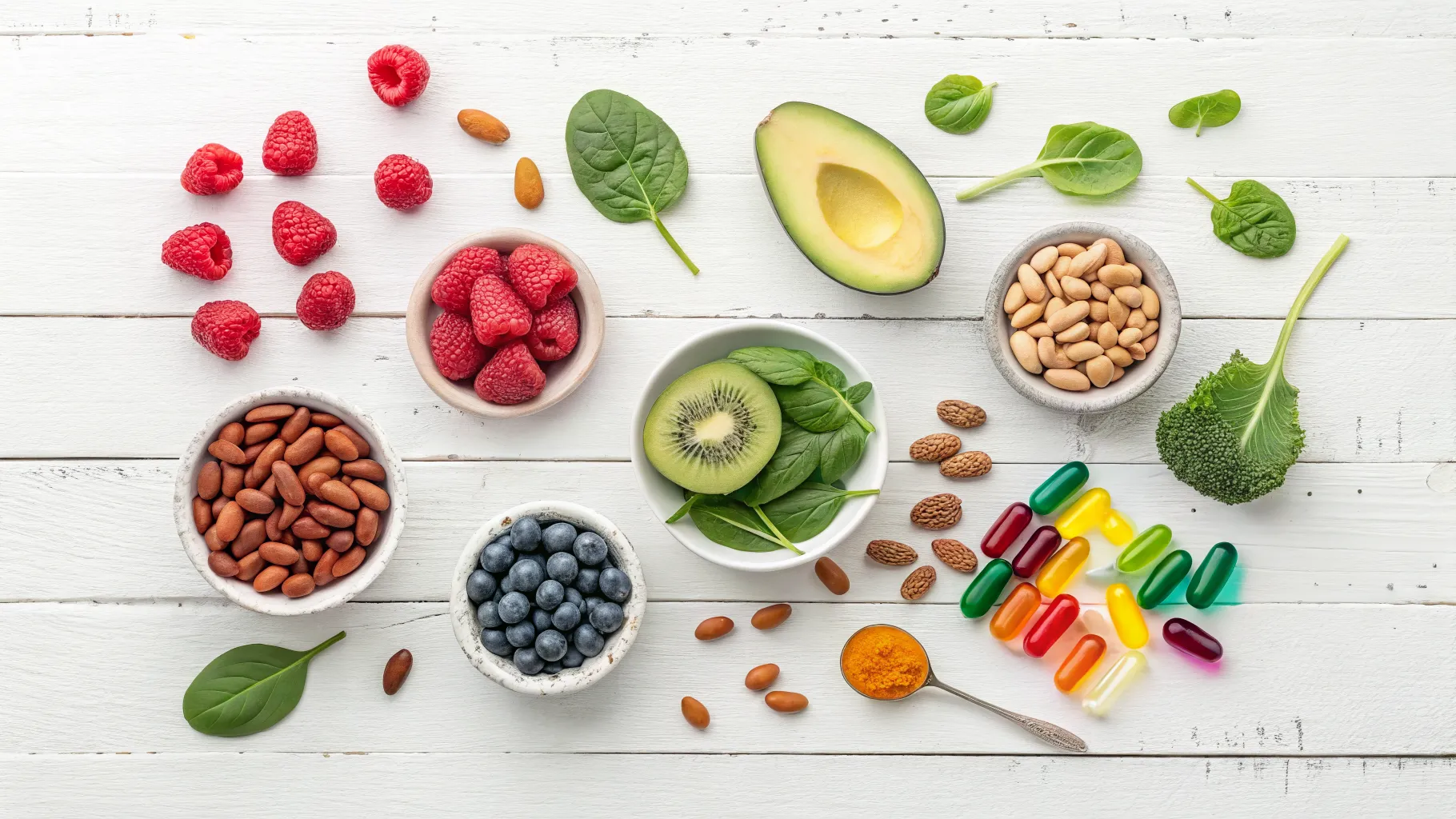
The Top 10 Vitamins Seniors Need for Optimal Health
Navigating the world of supplements can be overwhelming. Here, we break down the 10 vitamins for seniors that are most critical for supporting a healthy aging process. These recommendations are based on common deficiencies and the unique physiological demands of the senior body.
1. Vitamin D (The Sunshine Vitamin)
Crucial for calcium absorption and bone health, Vitamin D levels often decline with age as skin becomes less efficient at producing it from sunlight. It also plays a vital role in immune function. Many doctors recommend supplementation, especially in regions with limited sun exposure.
2. Vitamin B12
Essential for nerve function and the creation of red blood cells, Vitamin B12 absorption can decrease with age. A deficiency can lead to fatigue, weakness, and neurological issues. Since it's primarily found in animal products, it's one of the most recommended senior vitamin supplements.
3. Calcium
Synonymous with strong bones and teeth, calcium is vital for preventing osteoporosis, a condition that makes bones fragile and more likely to break. Women, in particular, need to ensure adequate calcium intake after menopause. The combination of calcium and Vitamin D is powerful.
4. Vitamin B6
This vitamin is a workhorse, involved in over 100 enzyme reactions in the body, primarily related to metabolism. It's also important for brain development and immune function. Ensuring you get enough B6 is a key part of the list of vitamins seniors need.
5. Magnesium
Magnesium is essential for muscle and nerve function, blood sugar control, and blood pressure regulation. It also contributes to bone health. Many older adults don't get enough magnesium in their diets, making it a critical nutrient to monitor.
6. Vitamin C
A powerful antioxidant, Vitamin C helps protect cells from damage, supports the immune system, and aids in the production of collagen for healthy skin and joints. It helps the body repair itself and combat oxidative stress associated with aging.
7. Vitamin K
Best known for its role in blood clotting, Vitamin K is also important for building strong bones. It works alongside Vitamin D to help regulate calcium in the body, directing it to the bones where it's needed most.
8. Vitamin E
Another potent antioxidant, Vitamin E helps protect cells from oxidative damage. It's important for vision, brain health, and skin health. It can be found in nuts, seeds, and vegetable oils.
9. Zinc
This mineral is crucial for immune function, wound healing, and your sense of taste and smell. Some studies suggest zinc can help reduce the risk of age-related chronic diseases, making it one of the important vitamins for older adults.
10. Folate (Vitamin B9)
Folate is essential for cell growth and metabolism. It helps prevent changes to DNA that may lead to cancer and is crucial for red blood cell formation. Adequate folate levels are linked to better cognitive function in seniors.
Choosing the Right Senior Vitamin Supplements
Before starting any new supplement regimen, it's vital to speak with a healthcare provider. They can perform blood tests to identify specific deficiencies and recommend appropriate dosages. Here are some tips for choosing wisely:
- Look for third-party certifications (like USP or NSF) to ensure quality and purity.
- Consider a multivitamin specifically formulated for seniors, as it will have adjusted levels of key nutrients.
- Pay attention to the form of the vitamin, as some are more easily absorbed than others (e.g., methylcobalamin for B12).
- Always check for potential interactions with any prescription medications you are taking.
Frequently Asked Questions
Do all seniors need to take vitamin supplements?
Not necessarily. The best source of nutrients is a balanced diet. However, due to changes in appetite, digestion, and metabolism, many seniors find it difficult to get all the required nutrients from food alone. Supplements can help fill these specific gaps, especially for vitamins like D and B12.
Can I get all these vitamins from a single multivitamin?
A multivitamin formulated for adults 50+ is a great starting point and will contain many of the key vitamins seniors need. However, depending on individual health conditions and diet, you might need additional, separate supplements like extra Vitamin D or Calcium as prescribed by your doctor.
Are there any risks associated with taking vitamins?
Yes, taking excessively high doses of certain vitamins (especially fat-soluble ones like A, D, E, and K) can be toxic. It's crucial to follow recommended dosages and consult with a healthcare professional before starting new senior vitamin supplements.
References
- National Institute on Aging (NIA)
- Office of Dietary Supplements - National Institutes of Health (NIH)
- Academy of Nutrition and Dietetics