10 Triggers That Worsen Sciatica Pain You Must Know
10 Sciatica Pain Triggers That Worsen Your Symptoms
Sciatica pain can be a relentless obstacle in daily life. If you've ever felt a sharp pain shooting from your lower back down through your legs, you're not alone. Sciatica affects millions globally, and recognizing the factors that could trigger or worsen your symptoms is vital. As we delve into 2025, the prevalence of sciatica continues to rise, highlighting the need for awareness and proactive actions regarding effective management strategies.
Common Triggers of Sciatica Pain
Understanding what worsens sciatica is crucial for anyone suffering from this condition. Individual experiences may vary, but researchers and healthcare professionals have identified some common triggers that lead to painful flare-ups. Here’s a closer look at these triggers:
- Poor Posture: With a significant number of individuals working from home, slouching in front of screens has become all too common. Poor posture poses pressure on the spine, which can lead to increased sciatica pain. Recent surveys indicate that over 65% of remote workers have reported back pain linked to their workstation setups.
- Lifting Heavy Objects: Improper lifting techniques can do more than just strain your muscles. It is estimated that around 40% of sciatica exacerbations stem from heavy lifting, especially if twisting is involved. Always remember to lift with your legs, not your back!
- Prolonged Sitting: Modern lifestyles often involve long hours of sitting, whether at work or during leisure time. Research suggests that those who sit for more than six hours daily face a 30% higher risk of sciatica pain.
- Inactivity: While sitting too often can worsen sciatica, inactivity is equally harmful. A sedentary lifestyle contributes to weakened core muscles that support the spine. Health professionals continue to urge individuals to integrate movement into their daily routines.
- Obesity: The connection between excess weight and spinal pain is well-documented. Recent findings reveal that people classified as obese are 60% more likely to experience chronic back pain, including sciatica, due to the extra strain on their bodies.
- Diabetes: This chronic condition can significantly impact nerve health, making individuals more susceptible to sciatica. New data indicates that among the 12 million adults diagnosed with diabetes, a substantial percentage report experiencing chronic pain in their lower extremities.
- Stress: Both mental and emotional stress can lead to muscle tension, further aggravating pain conditions. Mind-body practices such as yoga and meditation are essential tools increasingly recognized for their effectiveness in managing such stress-related pain.
- Footwear: The type of shoes you wear can have a surprising impact on sciatica. Unsupportive footwear can lead to biomechanical problems, as many podiatrists now recommend shoes with adequate arch support to promote better alignment and posture.
- Smoking: Cigarette smoking is not just a health concern; it also affects circulation to spinal tissues, increasing the risk of worsening sciatica. Recent studies demonstrate that smokers are 30% more likely to seek treatment for chronic back pain compared to non-smokers.
- Weather Changes: Many individuals find that changes in weather, particularly cold and damp conditions, exacerbate their symptoms. While not fully understood, anecdotal evidence suggests that fluctuations in atmospheric pressure may increase nerve sensitivity.
Recognizing these common triggers helps pave the way towards a proactive approach in managing sciatica pain. By being aware of how daily habits influence your symptoms, you empower yourself to make changes that can alleviate discomfort and prevent future flare-ups.
Proactive Strategies for Managing Sciatica Pain
Managing sciatica extends beyond simply understanding what triggers it. A combination of lifestyle modifications and therapeutic interventions can offer substantial relief. Consider the following strategies:
- Exercise Regularly: Physical activity plays a crucial role in managing sciatica. Low-impact exercises such as swimming, walking, or cycling strengthen the muscles supporting your back over time. Engaging in these activities can significantly relieve pressure on the sciatic nerve.
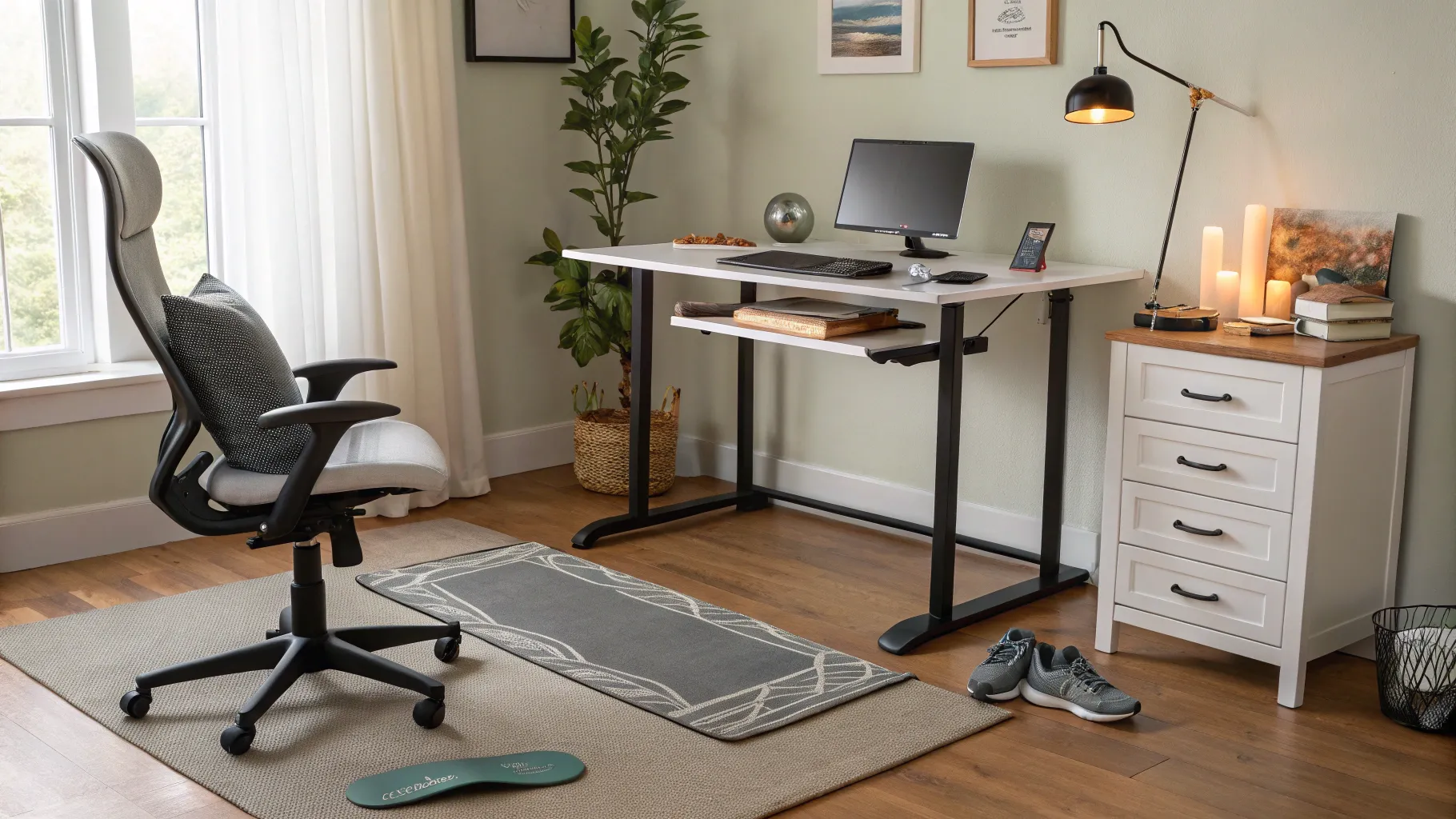
- Posture Awareness: It's essential to evaluate your workspace ergonomics. Adjust chair heights, and use cushions to support proper posture while seated. Simple changes can lead to remarkable improvements in your comfort level.
- Healthy Weight Management: Maintaining a balanced diet and a regular exercise routine is key. Excessive weight adds strain to your back. Recent studies suggest that individuals who maintain a healthy weight greatly reduce their risk of experiencing sciatica pain.
- Stress Management Techniques: Incorporating stress-reducing practices like mindfulness, meditation, or yoga can alleviate muscle tension, contributing to reduced pain. Such practices focus on promoting relaxation and improving overall well-being.
- Invest in Supportive Footwear: Choosing proper shoes with adequate support can lead to better body mechanics and prevent unnecessary strain on your back. Upgrading your footwear could have a significant impact on your overall comfort and mobility.
Being proactive is crucial in managing sciatica pain effectively. By identifying your personal triggers, you can adopt strategies not only to alleviate lingering discomfort but also to prevent future episodes. Knowledge is your ally in this journey.
Recognizing what worsens sciatica takes the guesswork out of pain management. By staying informed and taking actionable steps, you can reclaim control over your health and lifestyle. As trends in healthcare continue to evolve, always prioritize practices that contribute to a healthier, pain-free existence.