10 Things to Avoid for Effective Sciatica Management
10 Things to Avoid if You Have Sciatica
Sciatica can be a daunting condition, often leading to discomfort and debilitating pain that radiates along the sciatic nerve. This nerve extends from the lower back down through the legs, making daily activities a struggle for many. In 2025, it's crucial to understand the habits and lifestyle choices that can exacerbate your condition and contribute to ongoing pain. Below are ten things to avoid if you have sciatica, ensuring a better quality of life and effective management of your symptoms.
Sitting for Long Periods
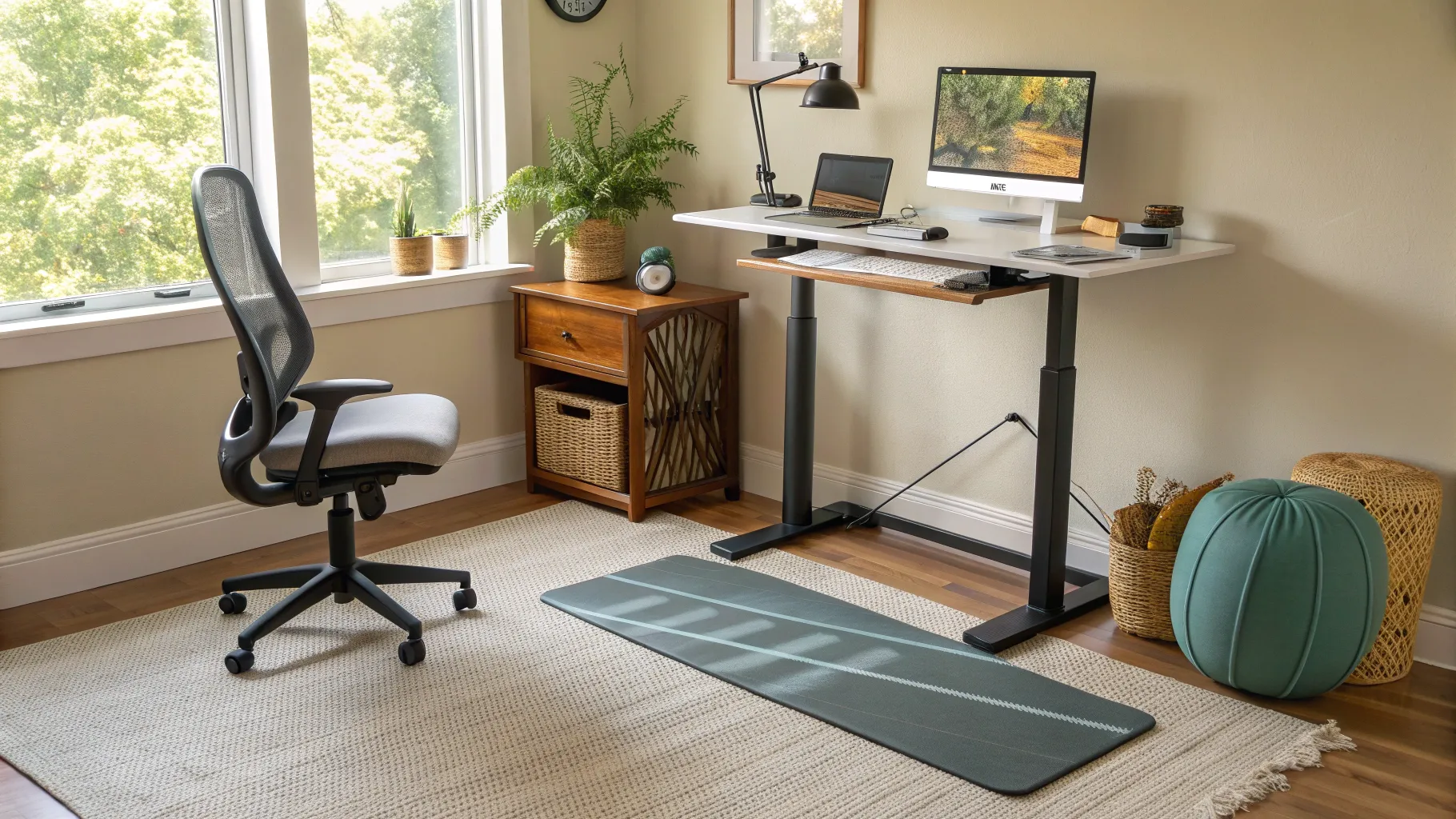
Many people underestimate the impact that prolonged sitting can have on sciatic pain. Research conducted in the first half of this year found that sedentary behavior significantly contributes to lower back discomfort and can aggravate sciatica symptoms. When you sit, your spine is under pressure, and the hip flexors can tighten, further irritating the sciatic nerve. If your job requires a lot of sitting, make it a habit to stand and stretch every 30 minutes, encouraging blood flow and loosening those tight muscles.
Ignoring Core Strengthening Exercises
While it’s essential to avoid certain movements when you have sciatica, strengthening your core is equally important. Core muscles support your spine and help with good posture, both of which are crucial for easing pressure on the sciatic nerve. Avoiding core exercises can lead to weakness that exacerbates your problem. Include activities like planks or bridges into your routine to build strength, but be sure to avoid any movements that cause pain.
Heavy Lifting Without Proper Technique
Improper lifting techniques can not only worsen sciatica but can also lead to new back injuries. Statistics show that more than 30% of people with sciatica attribute their diagnosis to lifting heavy objects incorrectly. Always bend your knees when lifting, keep your back straight, and ensure you’re using your legs for strength. If lifting feels too uncomfortable, don’t do it—seek help!
High-Impact Activities
Jarring activities like running or playing high-impact sports can increase inflammation and pressure on the sciatic nerve. Studies indicate that over 50% of sciatica patients reported amplified pain after engaging in high-impact sports. Instead, opt for low-impact alternatives like swimming or cycling, which maintain fitness levels without overwhelming your body.
Wearing Unsupportive Footwear
Your feet provide the foundation for your entire body, and wearing unsuitable shoes can lead to poor posture and increased sciatic pain. An alarming number of sciatica sufferers, approximately 40%, have noted that changing to supportive footwear relieved their symptoms. Avoid high heels, flip-flops, or old sneakers and invest in shoes that offer proper arch support and cushioning.
Neglecting Pain Management Techniques
Sometimes, it’s easy to ignore or dismiss the importance of effective pain management. Many individuals tend to downplay daily discomfort until it spirals out of control. Instead, recently published studies emphasize the importance of incorporating techniques such as heat therapy, ice packs, and over-the-counter medications into your routine. Regular use of these methods can help manage pain effectively, enabling daily activities with greater ease.
Overuse of Pain Medications
While it’s important to manage pain, relying too heavily on medications can lead to adverse effects, both physically and emotionally. In 2025, ongoing research reveals increasing concerns about opioid dependence among sciatica patients. Be cautious with pain medications and consult with a healthcare provider to explore alternative therapies, such as acupuncture or physical therapy, to improve your condition without becoming reliant on drugs.
Stress and Anxiety
Stress can significantly affect your experience with sciatica. Mental strain leads to muscle tension, creating a vicious cycle of pain. A survey from earlier this year reported that 60% of sciatica patients noted an increase in pain associated with rising stress levels. Incorporate relaxation techniques into your daily life—such as yoga, mindfulness, or simple breathing exercises—to promote mental well-being and alleviate physical symptoms.
Ignoring the Need for Rest
It can be challenging to accept that rest is essential when dealing with sciatica. However, pushing yourself too hard during physical activities can lead to flare-ups that set back your recovery. Listening to your body and allowing adequate time for healing is imperative. Scheduling regular breaks and including relaxation in your routine ensures your body gets the chance to recover.
Consulting Unqualified Therapists
With the vast amount of information available today, it’s important to distinguish between professional advice and misinformation. Seeking help from therapists or practitioners who lack the necessary qualifications can prove detrimental. In the past year, health authorities have emphasized the need for patients to consult healthcare providers with expertise specifically in sciatica management. Consider reaching out to physical therapists, chiropractors, or pain specialists who focus on this area for tailored solutions to your needs.
In navigating the challenges of sciatica, understanding what not to do is as important as knowing what actions will aid in recovery. By avoiding these ten habits and incorporating better practices into your lifestyle, you stand a greater chance of managing your sciatica pain effectively and enhancing your overall well-being.