10 Proven Steps to Improve Joint Flexibility and Mobility
Facts:
- Poor flexibility can lead to chronic pain.
- Consistent stretching is key for joint mobility improvement.
Unlocking Your Body: A Comprehensive Guide to Enhancing Joint Mobility
As we navigate our daily lives, the importance of maintaining our body's agility often takes a backseat. However, the ability to move freely and without pain is fundamental to our quality of life. This guide provides a detailed roadmap with 10 essential steps designed to help you improve joint flexibility. By focusing on these techniques, you'll not only enhance your range of motion but also build a more resilient and capable body. Achieving better flexibility for joints is not about extreme contortions; it's about consistent, mindful movement that supports long-term health and vitality. This process involves a holistic approach, from specific exercises to lifestyle adjustments, all aimed at fostering significant joint mobility improvement.
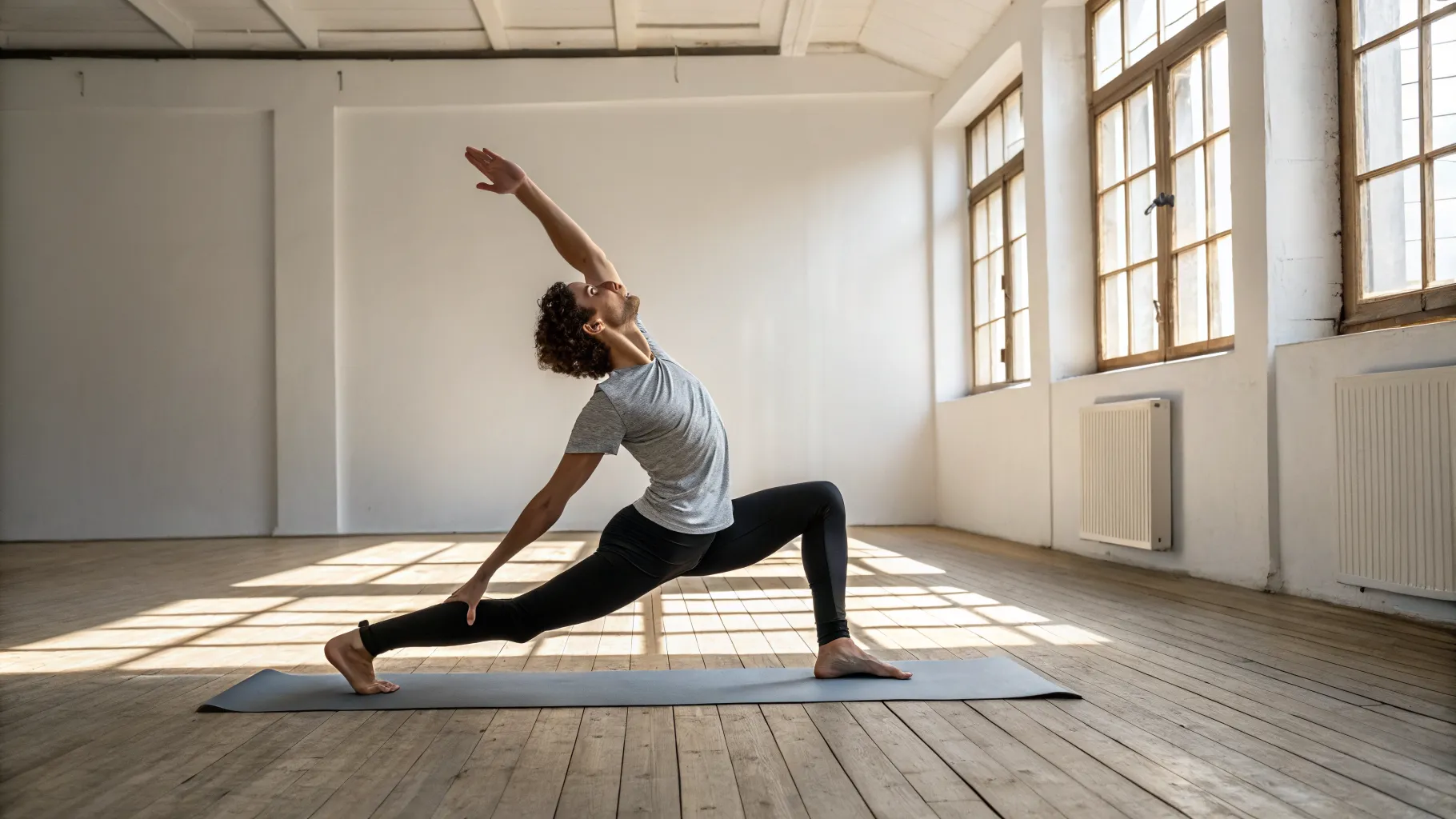
The Core Framework for Better Joint Health
Embarking on a journey to increase joint mobility requires dedication and the right knowledge. The following ten steps are not just isolated tips; they form a comprehensive system for unlocking your body's potential. Each step builds upon the last, creating a synergistic effect that promotes lasting change. Whether you are an athlete looking to optimize performance or someone seeking relief from daily stiffness, these principles provide a solid foundation for achieving your goals.
1. Start with Dynamic Stretching
Before any physical activity, it's crucial to prepare your joints for movement. Dynamic stretches, which involve moving parts of your body through their full range of motion, are ideal. Think arm circles, leg swings, and torso twists. This type of stretching increases blood flow to the muscles and lubricates the joints, which is a critical first step to improve joint flexibility. Unlike static stretching, it actively warms up the body, reducing the risk of injury and making subsequent movements more efficient.
2. Incorporate Static Stretching Post-Workout
After your muscles are warm and pliable from a workout, it's the perfect time for static stretching. This involves holding a stretch for a period, typically 20-30 seconds, without movement. It's one of the most effective methods for long-term joint mobility improvement. Focus on major muscle groups connected to your key joints, such as hamstrings, hip flexors, and shoulders. Consistent post-workout static stretching helps lengthen muscles and connective tissues, gradually expanding your range of motion.
3. Focus on Full Range of Motion in Exercises
During your regular workouts, whether lifting weights or doing bodyweight exercises, concentrate on performing each repetition through its complete range of motion. For example, when doing a squat, aim to go as deep as you safely can. This practice reinforces good movement patterns and encourages your joints to adapt to a wider functional range. It’s a practical way to work on flexibility for joints while simultaneously building strength.
4. Stay Hydrated Throughout the Day
Hydration is often overlooked but is vital for joint health. Your synovial fluid, which lubricates and cushions your joints, is primarily made of water. Dehydration can reduce this fluid, leading to increased friction and stiffness. Making a conscious effort to drink enough water daily is a simple yet powerful step to improve joint flexibility and support overall joint function.
5. Consume Anti-Inflammatory Foods
Chronic inflammation can contribute to joint stiffness and pain. Incorporating anti-inflammatory foods into your diet, such as fatty fish (rich in omega-3s), leafy greens, berries, and nuts, can help manage inflammation systemically. This dietary approach supports your efforts to increase joint mobility by creating a healthier internal environment for your joints to thrive.
6. Consider Low-Impact Aerobics
Activities like swimming, cycling, and using an elliptical machine provide excellent cardiovascular benefits without placing excessive stress on the joints. These exercises promote circulation and help maintain joint function. They are an essential component of any routine focused on joint mobility improvement, especially for individuals with pre-existing joint sensitivity or those recovering from injury.
7. Use Foam Rolling for Myofascial Release
Tight muscles and fascia (the connective tissue surrounding muscles) can severely restrict joint movement. Foam rolling, a form of self-myofascial release, helps break up adhesions and reduce muscle tightness. Regularly rolling out areas like the quads, hamstrings, and upper back can lead to immediate and long-term gains in flexibility, making it a key tool among the 10 joint flexibility exercises and techniques.
8. Prioritize Rest and Recovery
Your body adapts and repairs itself during periods of rest. Overtraining without adequate recovery can lead to inflammation and injury, hindering your progress. Ensure you are getting enough quality sleep and scheduling rest days into your fitness routine. This allows your muscles and joints to recover, which is crucial for sustainable flexibility for joints.
9. Add Yoga or Tai Chi to Your Routine
Practices like Yoga and Tai Chi are renowned for their ability to enhance flexibility, balance, and mind-body connection. They involve slow, controlled movements and sustained poses that systematically work to increase joint mobility across the entire body. Integrating one or two sessions per week can dramatically accelerate your progress and provide stress-relief benefits.
10. Be Consistent with Your Efforts
The final and most important step is consistency. Gains in flexibility are not permanent; they require regular maintenance. Committing to a consistent routine of stretching and mobility work is the only way to achieve and maintain lasting results. Making these 10 joint flexibility exercises and habits a regular part of your life is the ultimate secret to long-term joint mobility improvement.
Actionable Plan for Daily Joint Mobility Improvement
Integrating these steps into your daily life is key. Don't feel you have to do everything at once. Start small and build momentum. Here is a practical way to apply these concepts for consistent joint mobility improvement.
- Morning Routine: Start your day with 5 minutes of dynamic stretching. Focus on simple movements like neck rolls, shoulder circles, and leg swings to wake up your body and prepare it for the day. This simple habit contributes significantly to your goal to improve joint flexibility.
- Workout Integration: Always perform a dynamic warm-up before exercise and a static cool-down afterward. During your workout, be mindful of using a full range of motion. This is a non-negotiable for improving flexibility for joints.
- Hydration and Nutrition: Carry a water bottle with you to ensure you stay hydrated. Plan meals that are rich in anti-inflammatory ingredients to support your joint health from the inside out.
- Active Recovery: On your rest days, engage in light activities like walking or a gentle yoga session. Use a foam roller for 10-15 minutes in the evening while watching TV to release muscle tension. This is a crucial part of any plan to increase joint mobility.
Frequently Asked Questions
How long does it take to see joint mobility improvement?
With consistent effort, most people begin to notice a tangible difference in their flexibility and a reduction in stiffness within 2 to 4 weeks. Significant joint mobility improvement, however, can take several months of dedicated practice. Consistency is more important than intensity.
Are these 10 joint flexibility exercises safe for seniors?
Yes, most of these principles and exercises are safe and highly beneficial for seniors. However, it's essential to start slowly, listen to your body, and modify exercises as needed. Low-impact activities like swimming, walking, and Tai Chi are particularly excellent for improving flexibility for joints in older adults. Consulting with a healthcare provider is always recommended.
Can I improve joint flexibility if I have arthritis?
Movement is often key to managing arthritis symptoms. Gentle stretching and low-impact exercises can help reduce pain and stiffness. The goal is to work within a pain-free range of motion. Always consult with your doctor or a physical therapist to create a safe and effective plan to improve joint flexibility with arthritis.
References
- The American Council on Exercise (ACE) - The Importance of Flexibility
- The National Institute on Aging - Exercise and Physical Activity
- Journal of Strength and Conditioning Research - Studies on Stretching and Mobility