Master Winter: 10 Snow and Ice Removal Tips for a Safe Season
Facts:
- Slip and fall accidents increase dramatically in winter.
- Proper snow removal tools are a growing trend for homeowners.
Mastering Winter's Challenge: Essential Snow Clearing Strategies
As winter blankets the landscape, the beauty of snow and ice comes with significant responsibility. Effective snow and ice management is not just about convenience; it's a critical aspect of home safety and part of essential winter maintenance awareness. Failing to address accumulation can lead to dangerous slip-and-fall accidents, property damage, and limited access. This guide provides comprehensive 10 snow and ice removal tips, covering everything from fundamental winter snow clearing basics to advanced strategies, ensuring you are well-prepared to handle whatever the season throws at you. Understanding these techniques is the first step toward a safer and more manageable winter.
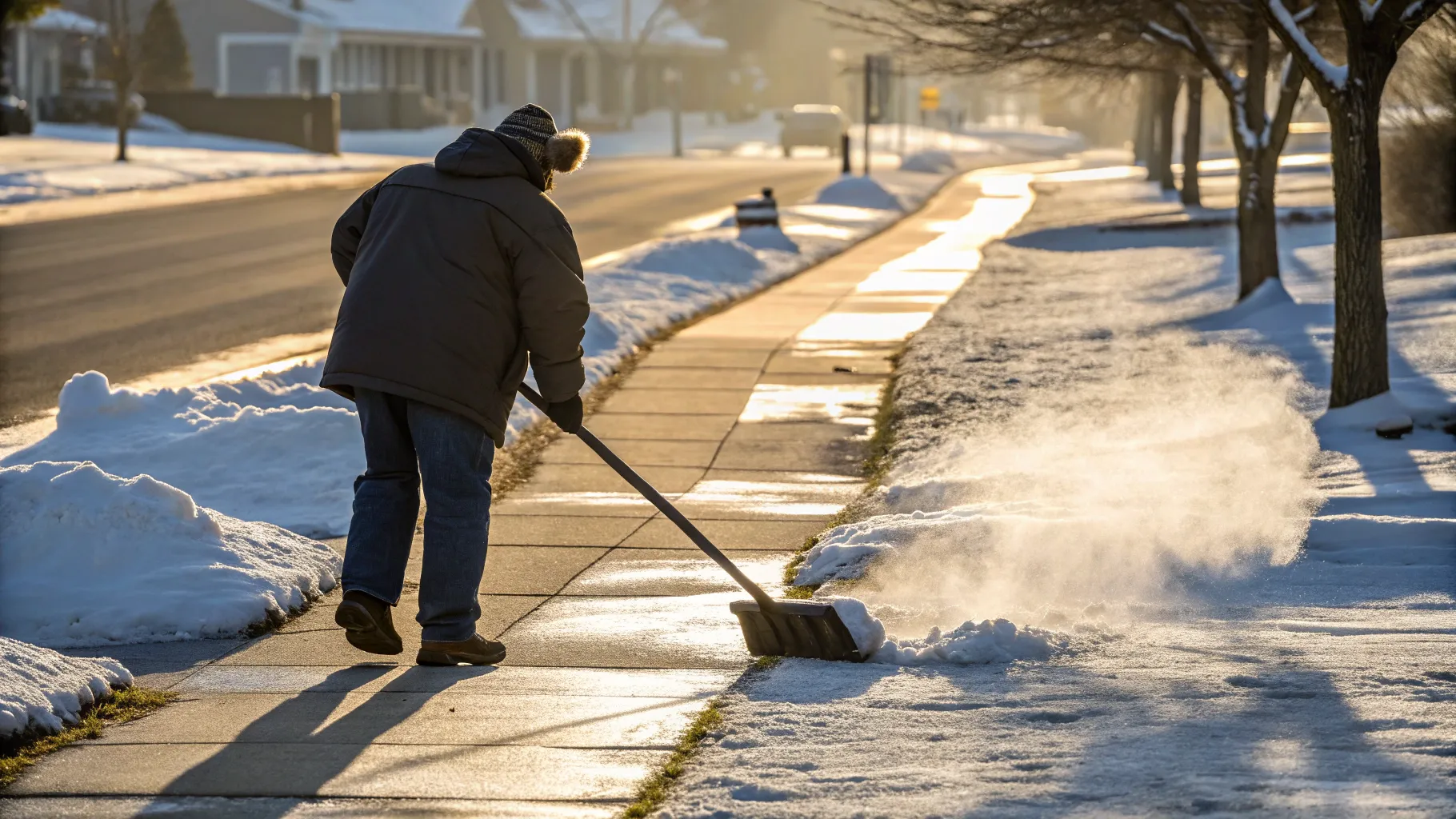
The Definitive Guide: 10 Essential Snow and Ice Removal Tips
Navigating winter safely requires a proactive approach. These ten tips provide a complete framework for tackling snow and ice effectively, incorporating crucial snow removal safety tips and expert ice removal guidance to protect you and your property.
1. Choose the Right Shovel
The foundation of good winter snow clearing basics is having the right tool. Not all shovels are created equal. An ergonomic shovel with a bent handle can significantly reduce back strain, a common injury during snow removal. Look for a lightweight yet durable model, possibly with a metal edge for scraping packed snow but be cautious as it can damage delicate surfaces like wooden decks. A wider pusher-style shovel is ideal for light, fluffy snow, while a smaller, more robust scoop shovel is better for heavy, wet snow. Investing in the right shovel is a key part of your winter maintenance awareness plan.
2. Shovel Early and Often
One of the most effective strategies is to avoid letting snow accumulate. Shoveling multiple times during a heavy storm is far easier than trying to move a deep, heavy, and compacted layer of snow at once. Clearing an inch or two at a time requires less physical exertion and reduces the risk of strain or cardiac events. This proactive approach is a cornerstone of our 10 snow and ice removal tips and prevents the snow from bonding into hard-to-remove ice underneath.
3. Use the Proper Shoveling Technique
Protecting your body is paramount. Always warm up with a few stretches before you begin. When shoveling, push the snow rather than lifting it whenever possible. If you must lift, bend at your knees and lift with your legs, not your back. Keep the shovel close to your body to minimize leverage and strain. Following these snow removal safety tips can prevent serious injuries, ensuring you stay healthy all winter long.
4. Pre-Treat Surfaces Before the Storm
An ounce of prevention is worth a pound of cure. Applying a de-icing agent to walkways, driveways, and stairs before a storm arrives can prevent ice from bonding to the surface. This makes clearing snow and ice significantly easier afterward. A brine solution (salt dissolved in water) or a light layer of solid de-icer creates a barrier that simplifies the entire removal process. This is excellent ice removal guidance for anyone in a cold climate.
5. Select the Right De-Icing Agent
There are many de-icers available, and choosing the right one is important. Standard rock salt (sodium chloride) is inexpensive but less effective in very cold temperatures (below 15°F / -9°C) and can be harmful to concrete, pets, and plants. Calcium chloride and magnesium chloride work at much lower temperatures and are generally safer for surfaces and the environment, though they can be more expensive. This is a crucial element of winter maintenance awareness.
6. Tackle Ice Build-Up Promptly
Ice is more dangerous than snow. Address icy patches immediately. If de-icers aren't enough, use a sturdy ice chopper to break up thick sheets of ice. For immediate traction, spread sand, cat litter, or coffee grounds on icy spots. This provides a temporary grip while the de-icer works to melt the ice. This immediate action is a vital part of comprehensive ice removal guidance.
7. Clear Gutters and Drains Before Winter
This tip is about preparation. Clogged gutters can lead to ice dams, where melting snow refreezes at the edge of your roof, causing heavy icicles and potential water damage to your home. Ensure your gutters and storm drains are clear of leaves and debris in the fall so that melting snow has a clear path to drain away from your property. This is a key principle in winter snow clearing basics.
8. Dress Appropriately and Stay Hydrated
Effective snow removal safety tips extend to personal care. Snow shoveling is strenuous exercise. Dress in multiple, light layers that you can remove as you warm up. Wear waterproof boots with good tread, warm gloves, and a hat. It's also easy to get dehydrated in the cold air, so be sure to drink plenty of water before, during, and after shoveling.
9. Maintain Your Snow Removal Equipment
Whether you use a shovel or a snow blower, keep your equipment in good working order. Before the first storm, check your snow blower’s fuel, oil, and spark plugs. Ensure the blades are in good condition. For shovels, check for cracks in the handle or blade. Having reliable equipment ready to go is a fundamental aspect of winter maintenance awareness.
10. Know When to Call a Professional
Sometimes, the job is too big or the risk is too high. If you have a very large area to clear, a health condition, or are facing a major blizzard, it may be safest and most effective to hire a professional snow removal service. Understanding your physical limits is perhaps the most important of all the 10 snow and ice removal tips.
De-Icer Showdown: Rock Salt vs. Calcium Chloride
When it comes to chemical de-icing, the two most common choices are sodium chloride (rock salt) and calcium chloride. Rock salt is affordable and widely available, making it a popular choice. However, its effectiveness plummets as temperatures drop below 15°F (-9°C). It is also corrosive to concrete and metal and can be harmful to vegetation. Calcium chloride, on the other hand, is exothermic, meaning it releases heat as it dissolves, allowing it to melt ice at temperatures as low as -25°F (-32°C). It is generally considered safer for concrete and plants. While more expensive, its superior performance in extreme cold and its relative gentleness make it a better choice for those prioritizing property protection and reliable performance. This is advanced ice removal guidance for serious winter conditions.
Your Pre-Storm Action Plan
Proper preparation is key to effective and safe snow removal. Following a pre-storm checklist ensures you're ready for anything. This is a practical application of our snow removal safety tips.
- Stock Up: Ensure you have an adequate supply of de-icing material (salt, calcium chloride, or sand) before the first forecast of snow. Stores often sell out during major storms.
- Fuel and Maintain Equipment: Check your snow blower. Make sure it has fresh fuel and oil, and test it to ensure it starts easily. A breakdown during a blizzard is a major problem.
- Prepare Entryways: Place heavy-duty mats at all entrances to your home to reduce the amount of snow, ice, and de-icer tracked inside, protecting your floors.
- Identify Key Areas: Mentally map out where you will pile snow. Choose locations that are away from your foundation and won't block access to vents, meters, or fire hydrants.
- Protect Vulnerable Plants: If you have delicate shrubs or plants near walkways or driveways, consider covering them with burlap to protect them from heavy snow piles and salt spray.
Frequently Asked Questions
What are the most crucial snow removal safety tips to remember?
The most important safety tips are to warm up before starting, push snow instead of lifting it, lift with your legs and not your back, take frequent breaks, and stay hydrated. Additionally, be aware of your physical limits and never work to the point of exhaustion, which can increase the risk of a heart attack.
How often should I apply de-icer for effective ice removal guidance?
For best results, apply a thin layer of de-icer before a storm begins to prevent ice from bonding. After shoveling, apply another light layer to melt any remaining icy patches. Reapply as needed during melt-freeze cycles to prevent refreezing and maintain a safe surface.
Do all of the 10 snow and ice removal tips apply to small properties?
Yes, the principles apply universally. While you may not need a large snow blower for a small walkway, the fundamentals of proper shoveling technique, using de-icers, dressing warmly, and shoveling early and often are essential winter snow clearing basics for any property size to ensure safety.
References
- National Safety Council - Winter Safety
- Federal Emergency Management Agency (FEMA) - Winter Storm Preparedness
- Consumer Reports - De-icer and Snow Blower Guides
- American Heart Association - Snow Shoveling and Heart Risks