10 Smart Grocery Tips for Retirees: A Guide to Saving Money
Facts:
- Retirees often face fixed incomes and rising food costs.
- Strategic shopping is a key trend for seniors managing budgets.
Mastering the Supermarket: Essential Grocery Guidance for Retirees
Navigating the grocery store on a fixed income can be a challenge, but with the right strategy, it's entirely manageable. This guide provides comprehensive 10 grocery shopping guidance for retirees, designed to help you make the most of every dollar without sacrificing nutrition or quality. By implementing these proven techniques, you can transform your shopping routine into an efficient, cost-effective process. These are more than just suggestions; they represent some of the best 10 grocery hacks for seniors available today, ensuring you eat well while protecting your savings.
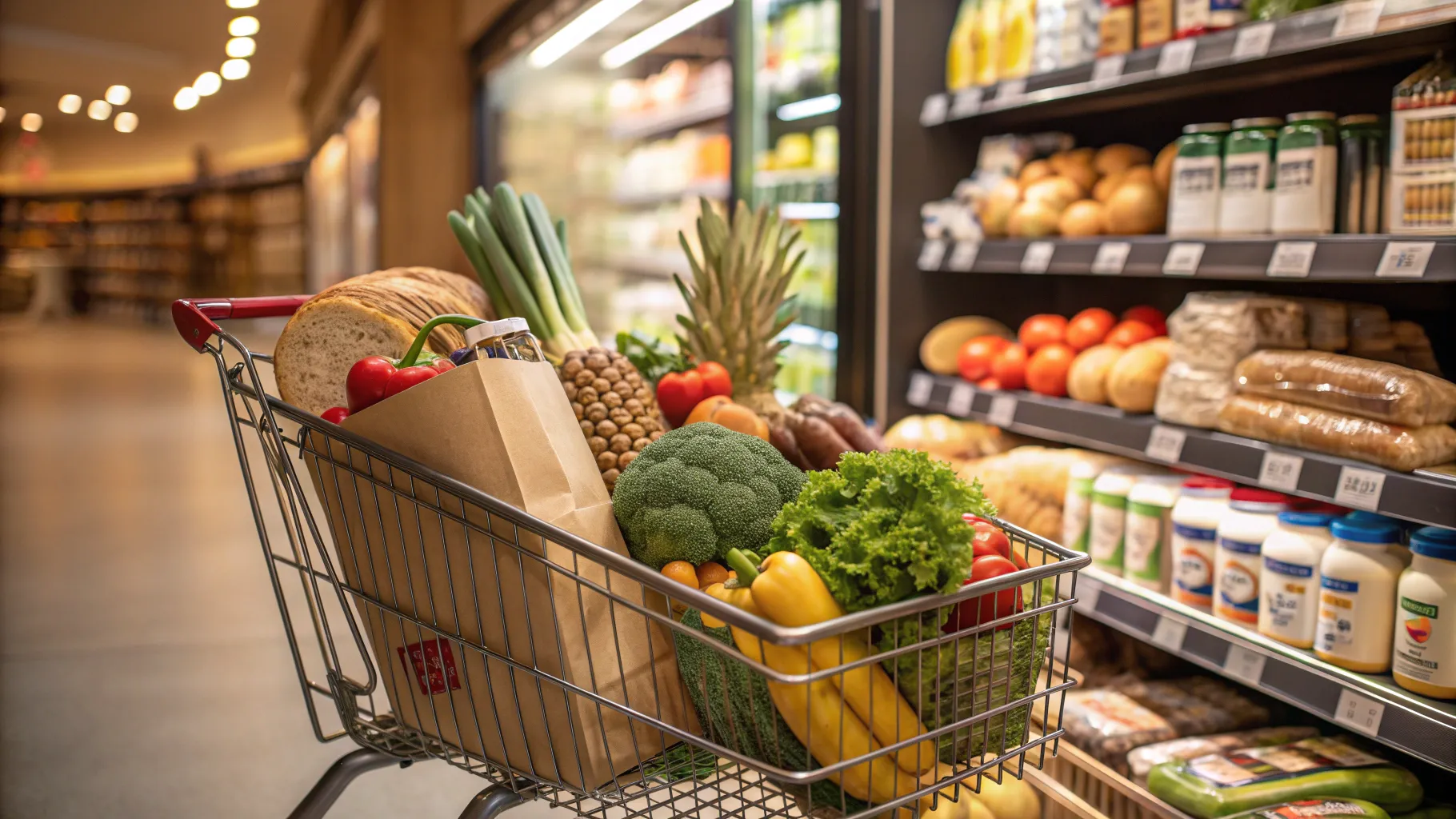
Your Top 10 Smart Grocery Shopping Tips for Seniors
Here we break down the most effective strategies. Adopting even a few of these 10 grocery tips for retirees can lead to significant savings over time. Each tip is designed for practicality and ease of implementation.
1. Create a Detailed Meal Plan and Shopping List
One of the most effective ways retirees can save on groceries is by planning ahead. Before you even think about leaving the house, sit down and plan your meals for the week. Consider what you already have in your pantry and freezer. From your meal plan, create a detailed shopping list. This single step prevents impulse buys, reduces food waste, and ensures you only purchase what you truly need. A list is your best defense against clever marketing and tempting snack aisles.
2. Take Full Advantage of Senior Discount Days
Many grocery stores offer specific days of the week where seniors receive a discount, typically ranging from 5% to 10%. Inquire with your local stores about their policies. Mark these days on your calendar and plan your primary shopping trips around them. This is a straightforward and powerful tip among the many 10 grocery hacks for seniors, as it provides immediate savings on your entire bill with minimal effort.
3. Embrace Store Brands and Generic Products
Don't overlook store brands. In many cases, the generic or store-brand version of a product is made in the same factory as its name-brand counterpart, differing only in packaging and price. From canned goods and pasta to cleaning supplies and over-the-counter medications, choosing the store brand is one of the easiest 10 smart grocery shopping tips for seniors to implement for instant savings.
4. Buy in Bulk, But Do It Wisely
Buying in bulk can offer significant savings per unit, but it's only a good deal if you use the product before it expires. For non-perishable items like rice, beans, oats, and paper products, bulk purchasing is ideal. For perishable items, consider if you can freeze portions or if you'll realistically consume them in time. This is a key piece of 10 grocery shopping guidance for retirees living alone or in smaller households.
5. Master Digital and Physical Coupons
Coupons are still a fantastic way to save. Check store flyers, newspapers, and online coupon websites. Many stores now have digital coupon apps that you can link to your loyalty card. Clipping coupons may seem old-fashioned, but the savings add up. Consistently using them is a cornerstone of any effective list of 10 grocery tips for retirees.
6. Focus on Nutrient-Dense, Affordable Foods
Build your meals around foods that offer the most nutritional value for the lowest cost. Items like beans, lentils, eggs, oats, potatoes, and in-season vegetables are packed with nutrients and are very budget-friendly. Reducing reliance on expensive processed foods and meats can drastically lower your bill, a vital strategy among the 10 ways retirees can save on groceries.
7. Never Shop on an Empty Stomach
This is a classic but crucial piece of advice. Shopping while hungry makes you susceptible to impulse purchases, especially for high-calorie, low-nutrition snacks. Always have a small meal or a healthy snack before you head to the store to ensure you stick to your list and make clear-headed decisions.
8. Understand and Compare Unit Pricing
The biggest box isn't always the best deal. Look at the unit price on the shelf tag, which tells you the cost per ounce, pound, or item. This allows for a true apples-to-apples comparison between different sizes and brands, helping you identify the most cost-effective option. This is one of the most empowering 10 smart grocery shopping tips for seniors.
9. Utilize Your Freezer with Frozen Produce
Don't shy away from the freezer aisle. Frozen fruits and vegetables are picked and frozen at peak ripeness, locking in nutrients. They are often cheaper than their fresh counterparts, especially for out-of-season items, and they last for months, which significantly reduces food waste. This is an essential hack for anyone following 10 grocery shopping guidance for retirees.
10. Conduct a Pantry Inventory Before You Shop
Before creating your list, take a quick inventory of your pantry, refrigerator, and freezer. Knowing what you already have on hand prevents you from buying duplicates. This simple habit saves money, reduces clutter, and minimizes the risk of food expiring before you can use it. It's a foundational step for all other 10 grocery hacks for seniors.
A Deeper Look: Coupons vs. Store Brands
When considering the various 10 ways retirees can save on groceries, a common debate is whether to focus on hunting for coupons for name brands or simply opting for store brands. The reality is, the best strategy is a combination of both. Store brands offer consistent, everyday savings without any extra work. Coupons, on the other hand, can provide deeper discounts on specific items, sometimes making a name brand even cheaper than the generic version. The savvy shopper uses their store's loyalty app to load digital coupons and then compares the final couponed price of a name brand against the store brand's unit price, always choosing the more economical option.
Actionable Steps for Your Next Shopping Trip
- Set a Budget: Before you go, decide on a firm budget for your trip and use a calculator on your phone to track your spending as you shop.
- Shop the Perimeter: Most stores place fresh produce, dairy, and meats along the outer walls. Focusing here helps you buy healthier, whole foods and avoid the processed items in the center aisles.
- Check Expiration Dates: Look for items with the furthest expiration date, especially for dairy and meat. Also, check the reduced-price section for items nearing their sell-by date if you plan to use them immediately.
- Consider a Credit Card with Grocery Rewards: If you use credit cards responsibly, one that offers cash back on grocery purchases can provide an additional 1-5% savings on top of all other strategies.
Frequently Asked Questions
What are the most crucial 10 grocery tips for retirees on a very tight budget?
The most critical tips are creating a strict meal plan and shopping list, prioritizing nutrient-dense and low-cost foods like beans and oats, and consistently choosing store brands over name brands. These three strategies provide the biggest and most immediate impact on your grocery bill.
How can I find out about senior discount days at local stores?
The best way is to call your local grocery stores directly or ask a customer service representative during your next visit. You can also check the store's website or weekly flyer, as they often advertise these promotions there. Many community senior centers also keep lists of local businesses that offer discounts.
References
- National Council on Aging - Food Security and Nutrition Guides
- Consumer Reports Analysis on Grocery Pricing
- USDA Reports on Food Costs and Household Spending
- AARP Studies on Senior Living Expenses