10 Smart Grocery Tips for Retirees to Maximize Savings
Fast Facts:
- Save Money: Strategic shopping can cut grocery bills by up to 25%.
- Digital coupons are a growing savings trend for Retirees.
Key Information & Options
Navigating the grocery store on a fixed income requires a smart approach. As we age, our dietary needs and budgets change, making it crucial to adopt effective strategies. This guide provides 10 smart grocery shopping tips for seniors to help you eat well, stay healthy, and keep your finances in check without compromising on quality.
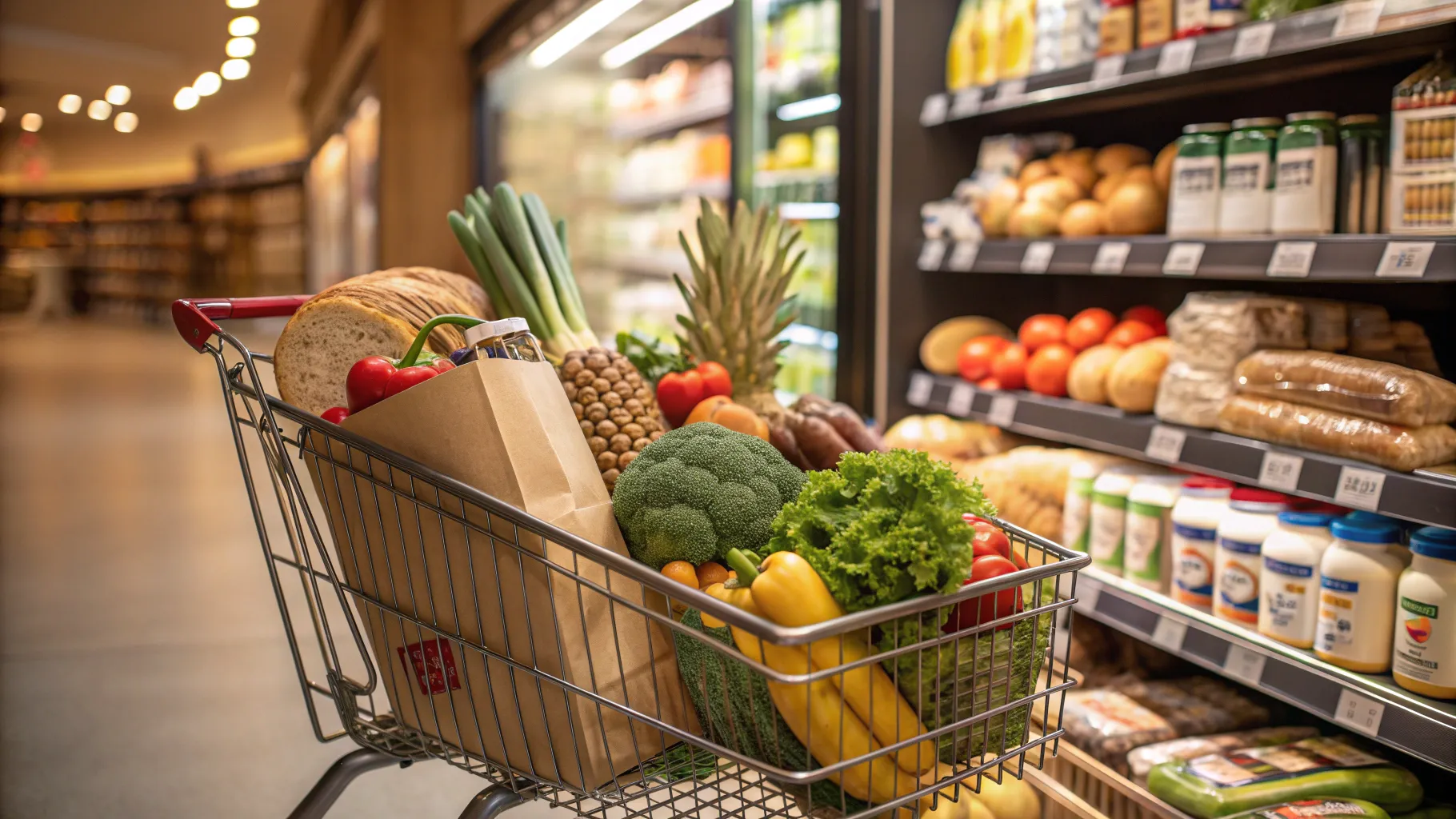
Master These 10 Grocery Tips for Retirees
- Plan Your Meals Weekly: Before you shop, decide what you'll eat for the week. This prevents impulse buys and reduces food waste.
- Create a Detailed List: Stick to your list. It's the simplest of all 10 grocery hacks for seniors but arguably the most effective.
- Shop on Senior Discount Days: Many stores offer special discount days for seniors. Ask your local grocery store about their specific policy and times.
- Buy in Bulk (Wisely): Non-perishable items like pasta, rice, and canned goods are often cheaper in bulk. Avoid bulk perishables unless you have a plan to use or freeze them promptly.
- Use Coupons and Loyalty Apps: Digital and paper coupons can add up to significant savings. Loyalty programs often provide exclusive deals and points.
- Compare Unit Prices: The biggest package isn't always the best deal. Check the unit price (price per ounce or gram) on the shelf tag. This is essential 10 grocery shopping guidance for retirees.
- Choose Store Brands: Generic or store-brand products are often identical in quality to name brands but cost substantially less.
- Shop the Perimeter of the Store: This is where you'll find fresh produce, dairy, and meats. The inner aisles are typically full of more expensive, processed foods.
- Don't Shop Hungry: Shopping on an empty stomach often leads to impulse purchases of unhealthy and unnecessary items.
- Consider Grocery Delivery Services: While there can be a fee, some services offer deals that can offset the cost, save you time, and prevent in-store impulse buys.
Key Benefits
- Financial Savings: Reduces monthly expenses, freeing up funds for other needs, hobbies, or wants.
- Improved Health: Encourages buying fresh, whole foods over highly processed alternatives.
- Reduced Food Waste: Meal planning and list-making ensure you only buy what you will actually use.
- Less Stress: Having a clear plan makes shopping trips quicker and more efficient. These 10 ways retirees can save on groceries also empower you financially.
When comparing shopping at a large supermarket versus a local farmers' market, consider both cost and quality. Supermarkets often have better deals on pantry staples and non-perishables due to bulk purchasing power. However, farmers' markets can offer fresher, locally-sourced produce that may last longer, reducing waste. It's often best to use a hybrid approach: buy staples at the supermarket and fresh items from the market when in season.
Essential Pre-Shopping Checklist
- Check your pantry, fridge, and freezer to see what you already have.
- Plan your meals for the upcoming week based on sales flyers.
- Write a detailed grocery list organized by store aisle.
- Look for digital or paper coupons for items on your list.
- Eat a healthy snack or meal before you leave home.
Frequently Asked Questions
What is the best day of the week for a retiree to go grocery shopping?
Many stores offer senior discounts on Tuesdays or Wednesdays. Additionally, shopping on a weekday morning is often less crowded, making for a more pleasant and efficient experience. Check with your local stores for their specific discount days.
How can I save on produce if it goes bad quickly?
Buy a mix of fresh and frozen produce. Frozen fruits and vegetables are just as nutritious, last much longer, and can be cheaper, especially for out-of-season items. Also, learn how to properly store fresh produce to extend its life.
Are grocery delivery services worth the cost for retirees?
It depends on your individual needs. If mobility is an issue or you tend to make impulse buys in-store, a delivery service can be very beneficial. Look for services that offer free delivery promotions or annual memberships to reduce costs.
References
- Consumer Reports on Grocery Savings Strategies
- AARP Food & Finance Guides for Seniors
- National Council on Aging (NCOA) Budgeting Resources