10 Early Signs of Poor Blood Circulation You Should Know
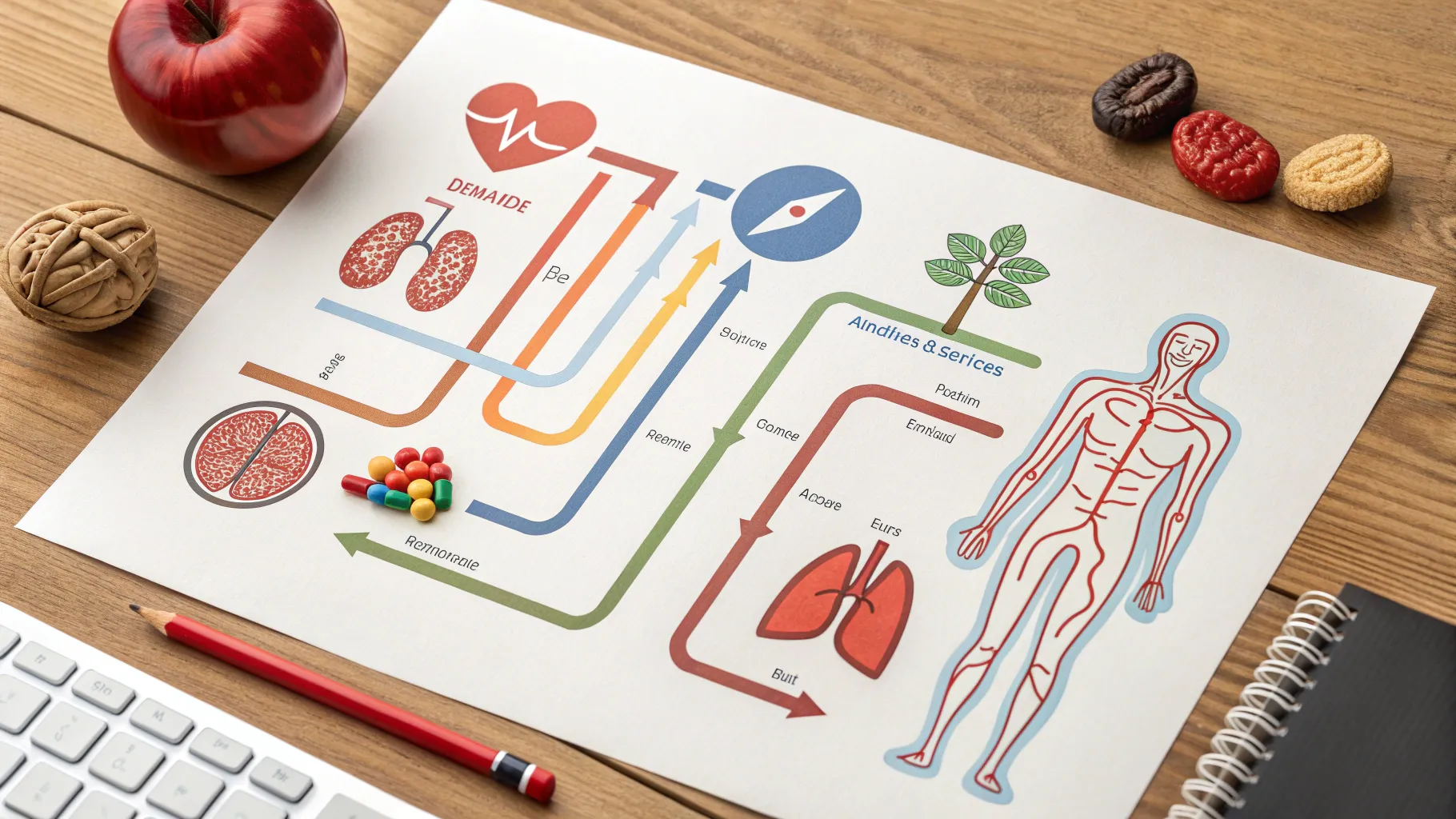
10 Early Signs of Poor Blood Circulation
Being aware of the signs of poor blood circulation is vital for maintaining your overall health. In 2025, many people remain unaware of how circulation issues can silently affect their lives, potentially leading to serious health concerns. This article delves into the 10 early signs of poor blood circulation. By recognizing these symptoms early, you can take action to address any underlying issues.
What You Should Know About Circulation Problems
Circulation problems can stem from various causes, including an inactive lifestyle, obesity, and chronic diseases like diabetes or hypertension. According to recent health studies, about 15% of adults over 50 currently face some form of circulation problem. Understanding the signs of poor blood circulation is crucial, as identifying these early symptoms can allow for timely medical intervention or lifestyle changes.
Poor Circulation Symptoms You Should Not Ignore
Here are ten early warning signs that may indicate inadequate blood flow in your body. Pay attention to these signs, especially if they persist or worsen over time.
- 1. Numbness or Tingling: Regularly feeling numbness or tingling in your fingers, toes, or limbs can be alarming. This sensation often arises when blood is not reaching these areas adequately, particularly if you’ve been sitting or lying down for extended periods.
- 2. Cold Hands and Feet: Experiencing cold extremities even in a warm environment could be a sign of poor circulation. Inadequate blood flow makes it hard for your body to maintain a normal temperature.
- 3. Swelling: If you notice swelling in your legs or feet, particularly if it’s persistent, it could signal a problem with circulation. This is usually due to fluids accumulating in your tissues (a condition known as edema), prompting you to seek medical advice.
- 4. Varicose Veins: Varicose veins appear as twisted, swollen veins, predominantly in your legs. This happens when blood pools in your veins due to weakened valves, making it difficult for blood to flow back to the heart.
- 5. Fatigue: Have you been feeling unusually tired? Chronic fatigue without an obvious cause can indicate that your body is not receiving enough oxygen and nutrients because blood flow is compromised. This is especially noticeable during physical activities.
- 6. Hair Loss: A diminishing flow of blood to your scalp can interfere with hair growth, leading to thinning hair or patches of baldness. If you notice your hair showing signs of distress, consider that circulation might be a contributing factor.
- 7. Skin Changes: Changes in your skin's appearance, such as paleness or a bluish tint, can be indicative of circulation problems. A healthy blood supply is essential for maintaining your skin’s vibrancy and color.
- 8. Muscle Cramps: Frequent muscle cramps, especially during exercise, may point to insufficient blood supply to your muscles. Your heart may struggle to pump enough blood to meet your body’s demands when exerting yourself.
- 9. Weak or Absent Pulses: If you notice weak pulses in your wrists or ankles, this could be a worrying sign. Reduced blood flow can lead to weak or even absent pulses, which necessitates consulting with a healthcare professional.
- 10. Slow Healing Wounds: Are you experiencing longer healing times for cuts or scrapes? Poor circulation restricts the body’s ability to deliver white blood cells and essential nutrients needed for effective wound healing and recovery.
Recognizing these signs early is vital for taking proactive steps toward improving your vascular health and preventing complications. The sooner you identify these symptoms, the better chance you have for effective treatment and recovery.
How to Enhance Your Vascular Health
After understanding the signs of poor blood circulation, consider integrating some lifestyle changes into your routine that can significantly boost your vascular health. Here are several suggestions based on recent health insights:
- Regular Exercise: Physical activity is an excellent way to promote blood flow. Engaging in activities like walking, swimming, or cycling can stimulate circulation. Aim for at least 150 minutes of moderate exercise weekly to achieve optimal results.
- Balanced Diet: Your diet plays a crucial role in circulation. Focus on incorporating foods rich in omega-3 fatty acids, antioxidants, and vitamins B and E. Items like fatty fish, nuts, berries, and leafy vegetables support healthy blood flow and overall heart health.
- Stay Hydrated: Proper hydration is essential for maintaining good circulation. Strive to drink at least eight cups of water daily, adjusting based on your activity level and personal needs.
- Avoid Smoking: Smoking is a key contributor to poor circulation. Quitting can significantly improve your vascular health, along with providing numerous additional benefits for your body.
- Manage Stress: Chronic stress can constrict blood vessels and impede circulation. Activities like meditation, yoga, or even simple deep-breathing exercises can help alleviate this stress and boost overall blood flow.
In 2025, recognizing the early signs of poor blood circulation empowers you to take control of your health. By staying informed and taking proactive measures, you can greatly enhance your lifestyle and quality of life. Don't hesitate to discuss any concerning symptoms with your healthcare provider, as they will be well-equipped to guide you towards effective solutions tailored to your needs.
Remember, maintaining healthy circulation is not just about physical well-being; it also plays a critical role in keeping your energy levels balanced and your mind clear. By understanding the 10 early signs of poor blood circulation, you are laying a foundation for a vibrant and active life.
Finally, don’t forget to regularly schedule check-ups with your healthcare provider. Early intervention can make all the difference in maintaining good health.