10 Signs of Stroke You Should Know for Early Detection
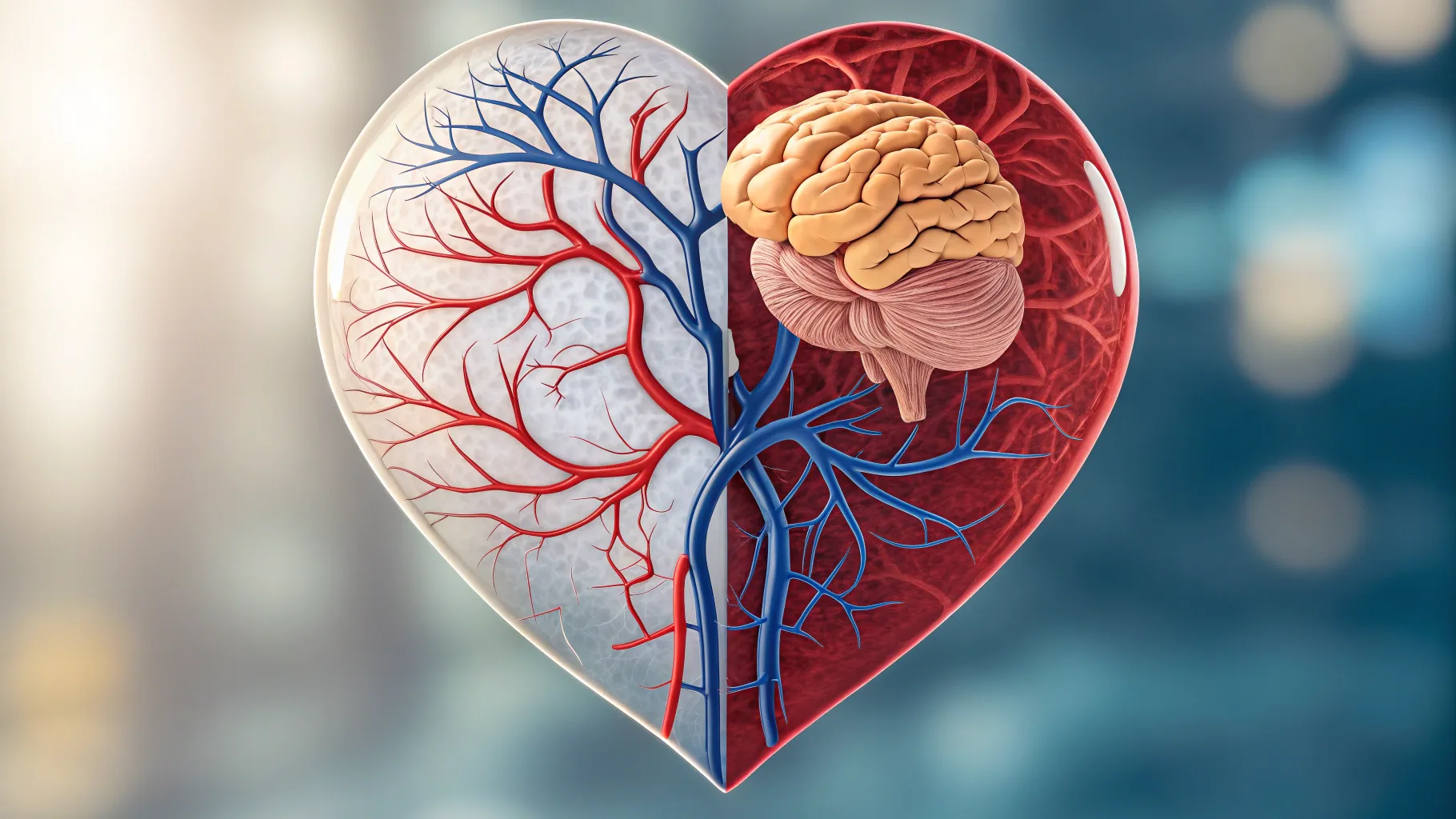
10 Signs of Stroke Explained
Stroke is a critical medical condition that can strike suddenly, often requiring swift action to improve outcomes. In 2025, it remains a leading cause of death and long-term disability worldwide. Understanding the early signs of stroke is essential for anyone to recognize when someone may need immediate help. This article delves into the 10 signs of stroke, helping you to identify {stroke warning indicators} and respond effectively.
Recognizing the Early Signs of Stroke
Effective recognition of stroke symptoms can save lives. According to the Centers for Disease Control and Prevention, nearly 795,000 Americans experience a stroke each year. Of these, 610,000 are first-time strokes, emphasizing the importance of understanding stroke symptoms. Here are the primary signs to watch for:
- 1. Sudden Numbness or Weakness: This typically affects one side of the body, including the face, arm, or leg. A common test is to ask the person to raise both arms; if one drifts down, it may indicate a stroke.
- 2. Confusion or Difficulty Speaking: A person may suddenly be unable to speak, slur their words, or seem confused. If someone is having trouble forming coherent sentences or responding to questions, this can be a red flag.
- 3. Vision Problems: Sudden trouble seeing in one or both eyes can occur. Vision may become blurred or obscure, disrupting the ability to discern objects clearly.
- 4. Severe Headache: A sudden headache that feels different from past headaches—often described as the worst headache ever—can indicate a stroke. This is particularly relevant to hemorrhagic strokes, which are caused by bleeding in the brain.
- 5. Difficulty Walking: Sudden dizziness, loss of balance, or difficulty walking can signal a stroke. Observing someone who is stumbling or has an unsteady gait warrants immediate attention.
More Warning Indicators to Consider
The appearance of these early signs of stroke can vary from person to person, and not everyone will exhibit all of these symptoms. However, they often occur suddenly and without warning. Understanding stroke conditions can further help in identifying new developments:
- 6. Loss of Coordination: Struggling to coordinate movements can be a sign of a brain issue. If someone has trouble picking up objects, understanding this can help in early intervention.
- 7. Behavioral Changes: Noticeable changes in behavior, such as being unusually irritable or disoriented, can indicate a stroke’s impact on cognitive function.
- 8. Slurred Speech: Asking a person to repeat a simple phrase can help determine if speech is impaired. This sign often includes difficulty pronouncing words typically spoken with ease.
- 9. Arm Weakness: If one arm is weaker than the other or cannot be raised due to numbness, it’s a significant warning sign. This could relate directly to brain function impairment associated with stroke.
- 10. Altered Consciousness: Sudden changes in consciousness, such as being unable to wake someone from sleep or altered responsiveness, can be serious indicators requiring emergency medical assistance.
What To Do If You Notice Signs of Stroke
The acronym FAST is a helpful reminder to recognize the signs of stroke and act quickly:
- F - Face Drooping: Ask the person to smile; does one side of the face droop?
- A - Arm Weakness: Can they raise both arms?
- S - Speech Difficulty: Are their words slurred or hard to understand?
- T - Time to Call Emergency Services: If you observe any of these signs, call 911 immediately.
Statistics and Impact of Stroke
In the last six months, advances in stroke treatment have enhanced recovery outcomes significantly. According to recent studies, patients treated swiftly after exhibiting stroke symptoms can have a recovery rate as high as 70%, compared to only 20% for those who do not receive immediate care. This highlights the critical nature of immediate action upon observing symptoms.
Moreover, education campaigns in 2025 have resulted in increased public awareness, leading to a slight decrease in stroke-related fatalities nationwide. Understanding the signs significantly impacts how quickly family members, friends, and bystanders react during emergencies, ultimately saving lives.
Real-World Examples of Stroke Awareness in Action
Consider the case of Sarah, a 55-year-old woman who began feeling an unusual weakness in her leg during a morning walk. Recognizing the signs of a stroke from a community health workshop she attended just weeks earlier, her husband immediately called for help. Emergency responders arrived quickly, and Sarah received treatment within the critical window. She made a remarkable recovery thanks to prompt intervention.
In another instance, high school students participated in a campaign to spread awareness about stroke symptoms. One student’s mother experienced sudden blurred vision and confusion while at work. Thanks to her children's knowledge of stroke signs, they urged her to seek medical attention instantly. Their timely action saved her from severe long-term effects.
These stories exemplify the essence of education around stroke symptoms. By understanding the critical indicators and ensuring awareness in your community, you can help save lives. Remember, 10 signs of stroke can make all the difference in the moments that matter the most.