10 Early Signs of Liver Disease You Shouldn't Ignore
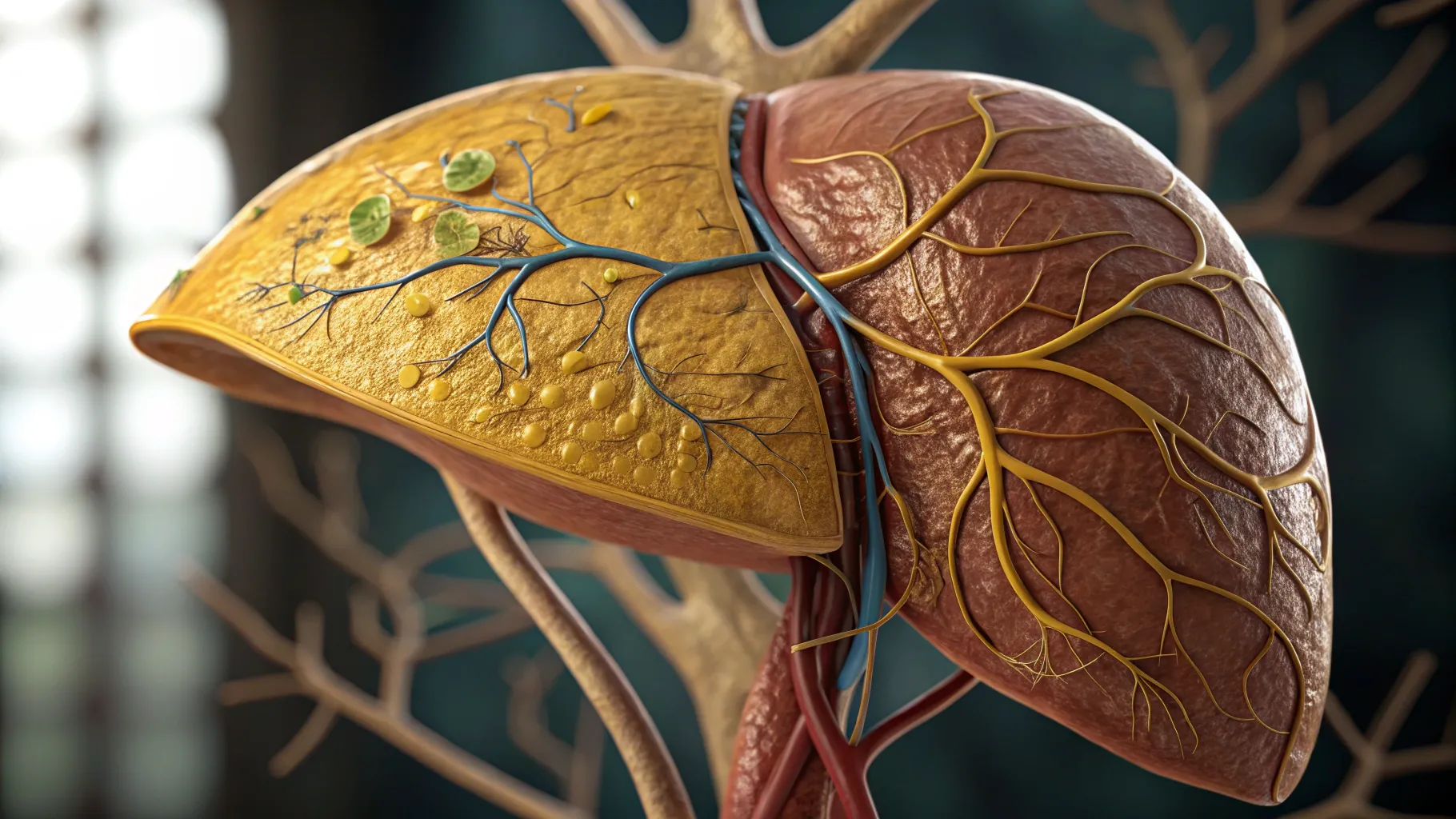
10 Signs You May Have Liver Disease to Watch Out For
The liver is a crucial organ in our bodies, performing indispensable tasks such as filtering blood, detoxifying harmful substances, and aiding in digestion. Unfortunately, liver disease often develops quietly, with few noticeable symptoms until it becomes serious. Being aware of the early warning signs of liver problems is essential for timely medical intervention and maintaining overall health.
1. Unexplained Fatigue
Do you feel unusually tired, even after a good night's sleep? Fatigue is one of the most common symptoms identified in individuals with liver disease. In a recent study conducted in early 2025, more than 55% of those with liver conditions highlighted extreme fatigue as a key complaint. This fatigue may stem from the liver's inability to perform its detoxification process efficiently, leading to a buildup of toxins in the body.
2. Jaundice
Jaundice is characterized by a noticeable yellowing of the skin and the whites of the eyes. This occurs due to the accumulation of bilirubin, a substance produced during the breakdown of red blood cells, when the liver fails to process it effectively. If you notice any changes in your skin tone or eye color, it is crucial to consult a healthcare provider for further assessment.
3. Abdominal Pain and Swelling
Pain or swelling in the upper right abdomen can be a telltale sign of liver distress. Individuals might feel discomfort due to liver enlargement or inflammation. Persistent abdominal pain should never be ignored, especially if accompanied by other symptoms, as it may signify developing liver issues that require prompt evaluation.
4. Changes in Appetite and Weight
A sudden shift in appetite is a common early warning sign of potential liver disease, resulting in unintended weight loss or gain. Individuals often experience feelings of nausea alongside changes in their desire to eat. The World Health Organization reported that fluctuations in weight are vital indicators that should not be overlooked. If you are experiencing such changes, consider monitoring your progress closely.
5. Dark Urine or Pale Stools
The color of your urine and stools is an excellent indicator of liver health. Dark urine may imply excess bilirubin in circulation, while stools that are pale or clay-colored often indicate insufficient bile production by the liver. Being observant about these color changes can provide essential insights into your overall liver condition.
6. Itchy Skin
Have you been scratching without any visible rashes? Chronic itching can frequently signal liver problems. When the liver isn’t effectively processing toxins, bile salts can accumulate in the bloodstream, leading to skin irritations and itchiness. Research shows that about 30% of liver disease patients report persistent itching as a symptom. If this is a frequent issue for you, discussing it with a healthcare provider is wise.
7. Nausea and Vomiting
Nausea and vomiting are symptoms many people experience occasionally, but if these become recurrent, it might indicate something more serious about liver health. Compromised liver function can trigger these reactions in the body as a defense mechanism. It's essential to note when these symptoms arise, particularly when they occur with other signs such as changes in appetite.
8. Confusion and Memory Issues
As liver capacity declines, it can lead to hepatic encephalopathy, which is characterized by cognitive issues like confusion, forgetfulness, and difficulty concentrating. Patients often attribute these changes to aging or stress, but they might be signals of liver distress. Keeping track of any cognitive changes can prove crucial for early diagnosis.
9. Spider Angiomas
Spider angiomas appear as small, spider-like blood vessels close to the skin’s surface, often indicating liver disease, especially cirrhosis. Statistics reveal that up to 30% of individuals with liver issues display these visible signs. If you notice such changes on your skin, it may be important to schedule an evaluation with a professional.
10. Mood Swings and Depression
Emotional disturbances, including mood swings and anxiety, can also signal liver troubles. The liver plays a crucial role in detoxifying our blood, and when its function diminishes, mental health may also suffer. Recent findings show that individuals with liver disease are significantly more likely to experience depression, which can complicate treatment. Otherwise, minor emotional fluctuations should not be ignored, particularly if they coincide with other symptoms.
Recognizing these signs is vital for identifying potential liver disease in its early stages. If you find yourself experiencing multiple indicators discussed above, seeking medical advice is crucial. A healthcare professional can guide you through the necessary tests and interventions to safeguard your liver health.
Regular screenings, alongside a healthy lifestyle approach, can significantly help prevent liver disease. Maintaining a balanced diet, engaging in regular physical activity, and avoiding excessive alcohol consumption are effective strategies for liver protection. By staying aware of your body’s signals, you are one step closer to ensuring better outcomes for your liver health and overall wellbeing.