10 Signs of a Leaky Heart Valve You Should Not Ignore
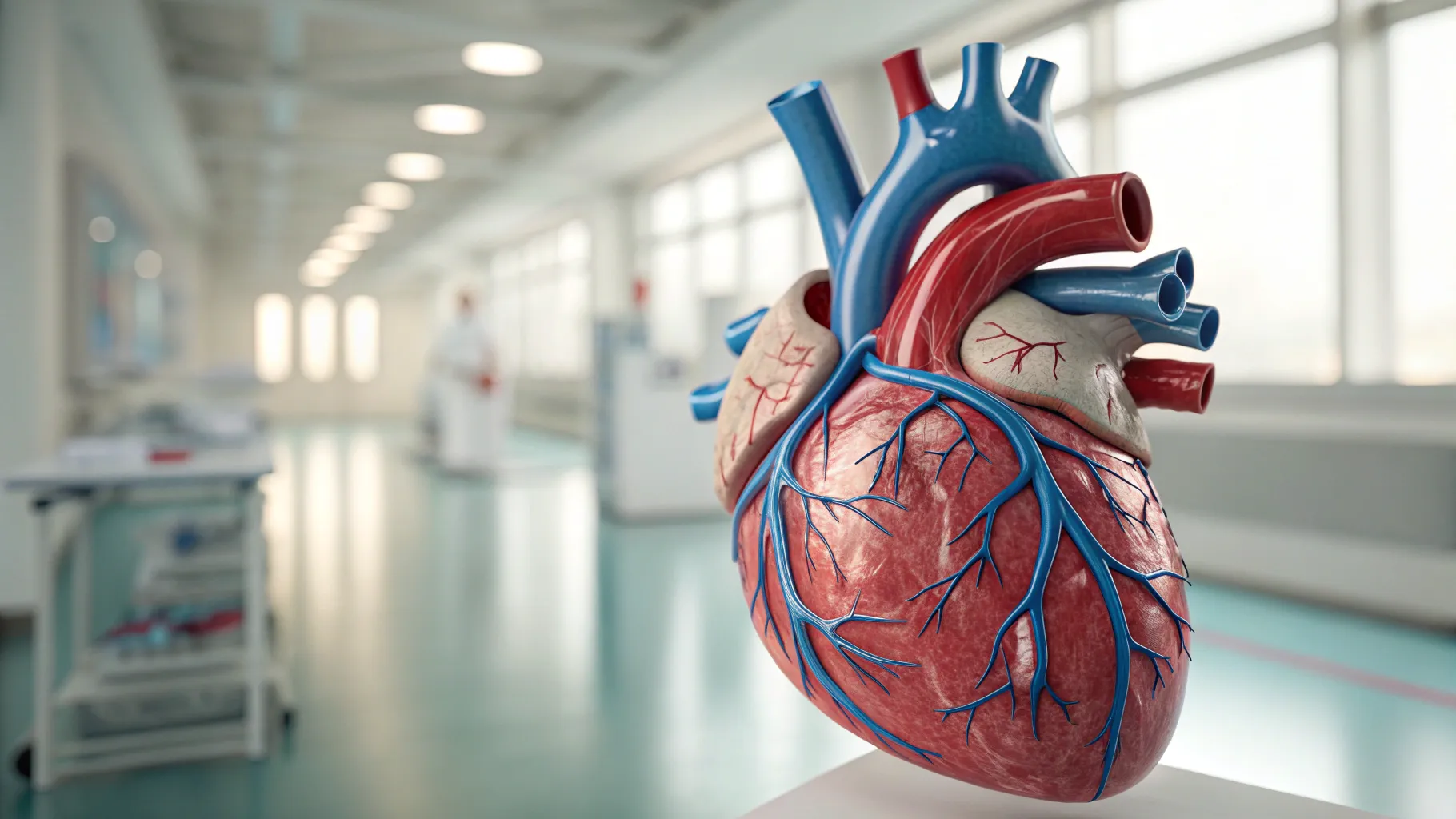
10 Signs You May Have a Leaky Heart Valve
The heart is a remarkable organ, tirelessly pumping blood throughout the body, and it relies on a complex system of valves to function properly. However, sometimes these valves can malfunction, leading to a condition known as valve regurgitation, or leaky heart valve. If you’re concerned about your heart health, understanding the 10 signs of a leaky heart valve can be crucial for early detection and treatment.
Understanding Valve Regurgitation
Valve regurgitation occurs when the heart valves do not close properly, allowing blood to flow backward instead of moving forward through the heart. This can put additional strain on the heart and ultimately lead to more serious health issues. But how do you know if you might be experiencing this condition? Here are ten common signs to watch for.
1. Unexplained Fatigue
A common symptom of various heart disorders, including a leaky heart valve, is fatigue. If you find yourself feeling tired even after a good night’s sleep or after engaging in activities that previously energized you, this could be a warning sign. A study conducted in 2025 showed that up to 60% of patients with heart valve disorders reported chronic fatigue.
2. Shortness of Breath
If you experience shortness of breath, especially during everyday activities such as climbing stairs or going for a walk, it may indicate that your heart is not pumping effectively. Valve regurgitation can lead to fluid buildup in the lungs, making it difficult to breathe. This symptom should never be overlooked, as it is often one of the earliest indicators of heart problems.
3. Heart Palpitations
Feeling your heart racing or pounding can be alarming. In individuals with a leaky heart valve, these palpitations may occur as the heart tries to compensate for the abnormal blood flow. Clinical data from recent months show that more than 40% of people with heart valve issues report experiencing irregular heartbeats.
4. Swollen Feet and Ankles
Another sign that may indicate fluid retention due to heart failure is swelling in the feet and ankles. As blood flow becomes disrupted, your body may begin to accumulate fluid in the lower extremities, making them puff up. This happens because the heart is not effectively circulating blood, forcing your body to retain more fluid.
5. Dizziness or Lightheadedness
If you frequently feel dizzy or lightheaded, particularly when standing up quickly, this could indicate that your heart isn’t providing enough blood flow to the brain. Valve disorders can lead to decreased cardiac output, which in turn affects your overall blood pressure and circulation.
6. Chest Pain or Discomfort
Experiencing persistent chest pain or discomfort should always prompt immediate attention. While there can be several causes for chest pain, it may also occur as a symptom of a leaky valve, particularly if it’s combined with other signs like shortness of breath or fatigue. In recent heart studies, chest discomfort was reported by 30% of patients diagnosed with valve regurgitation.
7. Frequent Coughing or Wheezing
When the lungs fill with excess fluid as a result of heart valve issues, coughing or wheezing may develop. This could be mistaken for allergies or mild respiratory issues, but if it persists, an examination may be necessary to rule out heart-related problems.
8. Persistent Heartburn or Nausea
Some patients report feeling prolonged heartburn or vague nausea due to poor blood circulation and the resultant effects on gastroesophageal reflux. Although it may be attributed to dietary habits, if these symptoms are recurrent, they should not be ignored.
9. Bluish or Pale Skin
People with significant heart issues often notice changes in their skin color. If your skin appears bluish or unusually pale, especially on the lips and fingertips, it may indicate that your body isn’t getting enough oxygenated blood due to an ineffective heart valve. Research suggests that nearly 25% of individuals with severe valve regurgitation exhibit changes in skin color.
10. Changes in Weight
Sudden weight gain or loss can also be a sign of a leaky heart valve. Weight gain can occur as a result of fluid retention, while unintended weight loss may result from diminished appetite due to feeling unwell. Tracking these changes can provide valuable insight into your heart health and help you recognize a potential issue.
If you recognize any of these leaky heart valve symptoms in yourself or a loved one, it is crucial to consult a healthcare professional. Early intervention can often lead to more effective treatment options and can help prevent complications that could arise from untreated heart valve disorders. Regular check-ups and open discussions about your symptoms can play an important role in maintaining heart health.
Remember, the heart is central to your overall health and well-being. By staying vigilant and informed about the signs and symptoms of leaky heart valves, you empower yourself to take control of your heart health and seek the necessary medical support when needed.