10 Shade Outdoor Plants to Brighten Your Garden | Shade Loving Plants Guide
Facts:
- Many shade plants evolved in woodland understories.
- A growing trend for 2026 is creating lush, layered shade gardens.
Transform Your Shady Spots into Lush Green Havens
Finding the right plants for those tricky, low-light areas of your garden can be a challenge. Many gardeners assume these spots are destined to be bare, but with the right selection of outdoor plants for shade, you can create a vibrant, textured, and colorful oasis. These areas, often under trees or along the north side of a house, offer a unique microclimate perfect for a wide variety of beautiful flora. This guide will explore the best 10 shade outdoor plants that not only survive but thrive in lower light conditions, turning your shadowed corners into the most enchanting parts of your landscape. Understanding these shade loving plants is the first step towards a successful and beautiful garden design.
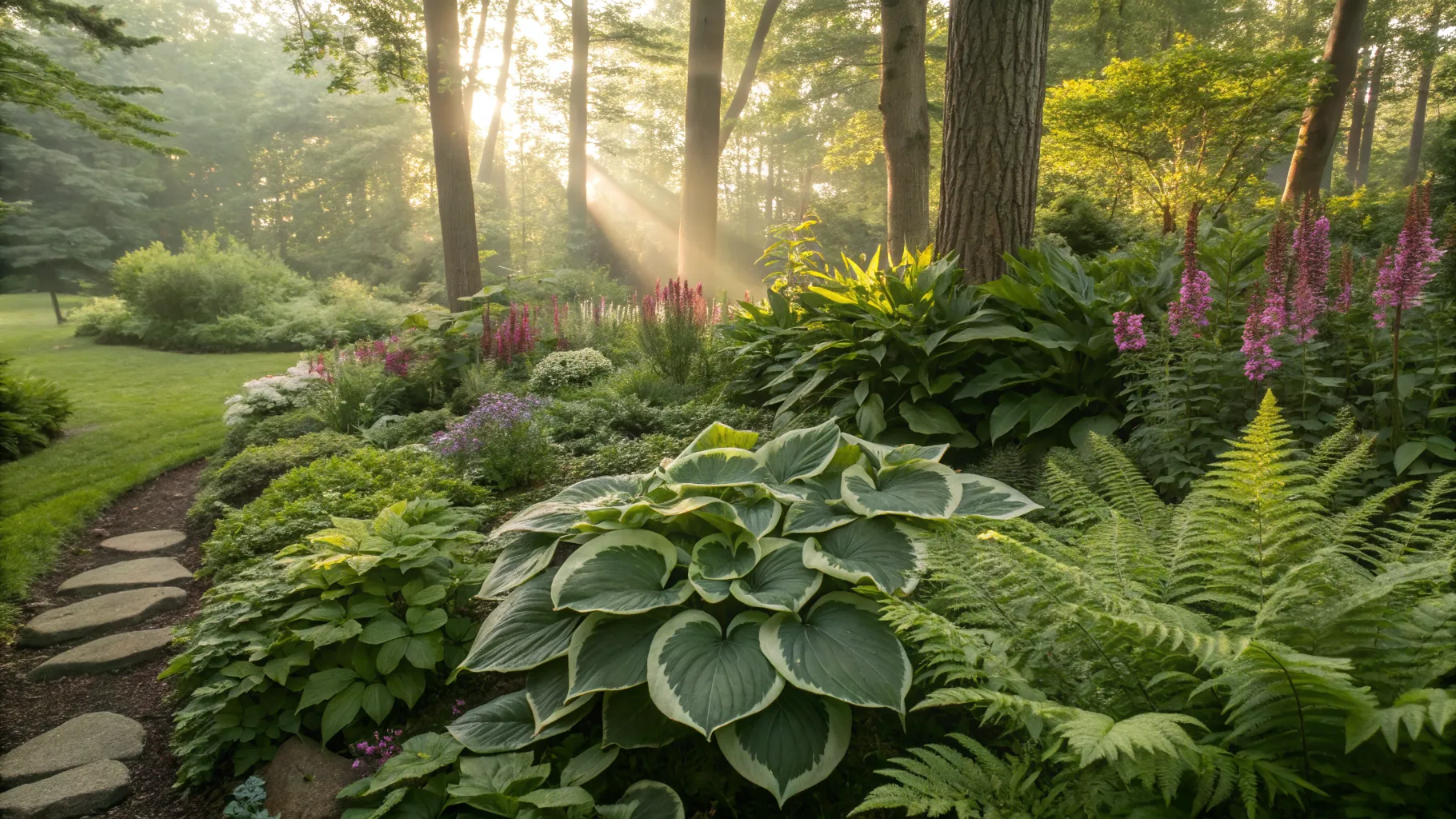
Our Top 10 Shade Outdoor Plants for a Vibrant Garden
Here is a detailed list of plants that excel in shady conditions. Each one offers unique textures, colors, and forms, providing endless possibilities for designing beautiful plants for low light gardens.
1. Hosta (Plantain Lily)
Hostas are the undisputed kings of the shade garden. Known for their magnificent foliage, they come in a vast array of sizes, shapes, and colors, from deep blue-greens to vibrant chartreuse and variegated patterns. They are incredibly hardy and low-maintenance shade garden plants. While they do produce spikes of lavender or white flowers in mid-summer, their primary appeal is their leaves, which provide structure and texture throughout the season. They are perfect for borders, as ground cover, or in containers.
2. Astilbe (False Goat's Beard)
For those looking to add a splash of color and feathery texture, Astilbe is an excellent choice. These shade loving plants produce beautiful plumes of flowers in shades of pink, red, white, and lavender that rise above fern-like foliage. They thrive in moist, well-drained soil and partial shade, bringing brightness to darker corners. Astilbes are fantastic for attracting pollinators and work well in woodland garden settings.
3. Heuchera (Coral Bells)
Heuchera is prized for its stunning, often colorful foliage. With varieties ranging from deep purple and bronze to lime green and amber, Coral Bells provide year-round interest. These hardy perennials are versatile outdoor plants for shade, tolerating a range of light conditions from full shade to part sun. They produce delicate, airy flower stalks in late spring, but the real star is the mounded foliage that adds a pop of consistent color.
4. Bleeding Heart (Dicentra spectabilis)
A classic cottage garden favorite, the Bleeding Heart is one of the most charming shade garden plants. Its unique, heart-shaped pink or white flowers dangle gracefully from arching stems in the spring. This plant prefers partial to full shade and consistently moist soil. After its spring bloom, the foliage often dies back, making it a perfect companion for later-emerging plants like Hostas.
5. Japanese Forest Grass (Hakonechloa macra)
For adding movement and a graceful, cascading texture, nothing beats Japanese Forest Grass. This ornamental grass has a beautiful weeping habit, with slender, bright green or variegated leaves that resemble bamboo. It creates a soft, flowing effect in the garden, and its golden autumn color is spectacular. It's one of the few grasses that thrives as one of the best plants for low light gardens, preferring moist, shady locations.
6. Ferns (Various species)
Ferns are the quintessential plants for a woodland or shade garden. With countless varieties like the Japanese Painted Fern, Ostrich Fern, or Maidenhair Fern, you can find a fern for any shady spot. Their delicate, intricate fronds add a lush, prehistoric feel to the landscape. Most ferns are excellent shade loving plants that require consistent moisture and humus-rich soil to flourish.
7. Brunnera (Siberian Bugloss)
Brunnera is another foliage superstar, often called 'false forget-me-not' for its sprays of tiny, brilliant blue flowers in spring. Varieties like 'Jack Frost' feature stunning silver leaves with green veining, which brighten up even the deepest shade. It's a tough, low-maintenance perennial that forms attractive clumps, making it a fantastic groundcover among other 10 shade outdoor plants.
8. Pulmonaria (Lungwort)
Pulmonaria is one of the first plants to bloom in the spring, offering cheerful clusters of pink, blue, or white flowers. Its key feature is its interesting foliage, which is often spotted or splashed with silver. This low-growing perennial is an excellent choice for the front of a shady border and is highly resistant to deer and rabbits, making it a practical addition to many shade garden plants collections.
9. Impatiens (Busy Lizzie)
When it comes to annuals that provide non-stop color in the shade, Impatiens are a top contender. These classic bedding plants are perfect for adding bright, continuous blooms to containers, hanging baskets, and shady beds from spring until the first frost. They are easy to grow and are reliable performers in any garden needing a pop of color in low light.
10. Liriope (Lilyturf)
Liriope is an incredibly tough and versatile grass-like perennial. It forms dense clumps of arching, dark green or variegated foliage and produces spikes of purple or white flowers in late summer. It's an excellent choice for edging pathways or as a hardy groundcover under trees where other plants might struggle. Its durability makes it a staple among reliable outdoor plants for shade.
Choosing the Right Shade Loving Plants: A Closer Look
Understanding the type of shade in your garden is crucial for success. Not all shade is the same. 'Full shade' receives little to no direct sunlight, often found on the north side of buildings. 'Partial shade' typically gets 3-6 hours of sun, usually in the morning. 'Dappled shade' is the filtered light found under deciduous trees. When selecting your shade garden plants, match them to the specific conditions. For instance, Hostas and Ferns can handle deep shade, while Astilbe and Coral Bells prefer partial shade to perform their best. Assessing your light conditions before planting is the most important step in creating a thriving collection of plants for low light gardens.
Expert Tips for a Thriving Shade Garden
- Improve Your Soil: Most shade loving plants originate from forest floors, where the soil is rich in organic matter. Amend your garden beds with compost or leaf mold to improve drainage and provide essential nutrients.
- Water Wisely: Shady areas can be either damp or surprisingly dry, especially under large trees whose roots compete for water. Check the soil moisture regularly and water deeply when needed, rather than frequent light sprinklings.
- Use Color and Texture: In a low-light setting, foliage becomes the star. Combine plants with different leaf shapes, sizes, and colors—like the bold leaves of a Hosta next to the delicate fronds of a fern—to create visual interest. Use plants with silver or chartreuse foliage to brighten up dark corners.
- Manage Pests: Slugs and snails are common pests in damp, shady areas. Use organic slug bait or other control methods to protect vulnerable plants like Hostas. Good air circulation between your outdoor plants for shade can also help prevent fungal diseases.
Frequently Asked Questions
What are the best outdoor plants for shade that also flower?
Many shade-tolerant plants offer beautiful blooms. Astilbe provides colorful plumes, Bleeding Hearts offer unique heart-shaped flowers, and Brunnera has delicate blue blossoms in spring. For annuals, Impatiens and Begonias are excellent choices for continuous color.
Can you grow vegetables in a shady garden?
While most fruit-bearing vegetables need full sun, many leafy greens and root vegetables can tolerate partial shade. Crops like lettuce, spinach, kale, and carrots can do well with just a few hours of direct sunlight per day, making them viable options for plants for low light gardens.
How do I make my shade garden plants look brighter?
Incorporate plants with variegated, silver, or chartreuse foliage. Plants like 'Jack Frost' Brunnera, variegated Hostas, and Japanese Forest Grass can illuminate dark areas. You can also add light-colored hardscaping elements like a pale gravel path or a decorative pot to reflect light.
References
- Botanical Garden Journals on Woodland Flora
- Horticultural Society Shade Gardening Guides
- Perennial Plant Association Publications
- University Extension Office Landscaping Resources