Top 10 Shade Outdoor Plants to Brighten Your Garden
Facts:
- Many shade plants have larger leaves to capture sunlight.
- Container gardening is a growing trend for shade garden plants.
Transforming Dimly Lit Spaces with Vibrant Greenery
Creating a lush, beautiful garden in areas with limited sunlight can be a challenge, but it's far from impossible. The key is selecting the right varieties that are genetically adapted to thrive in lower light conditions. This guide focuses on the definitive list of the 10 shade outdoor plants that will not only survive but flourish, bringing color, texture, and life to the darkest corners of your yard. Whether you are dealing with the shadow cast by a large tree or a north-facing wall, these incredible shade loving plants offer a diverse palette for designing stunning plants for low light gardens. Understanding the specific needs of these plants is the first step toward a successful and vibrant shade garden.
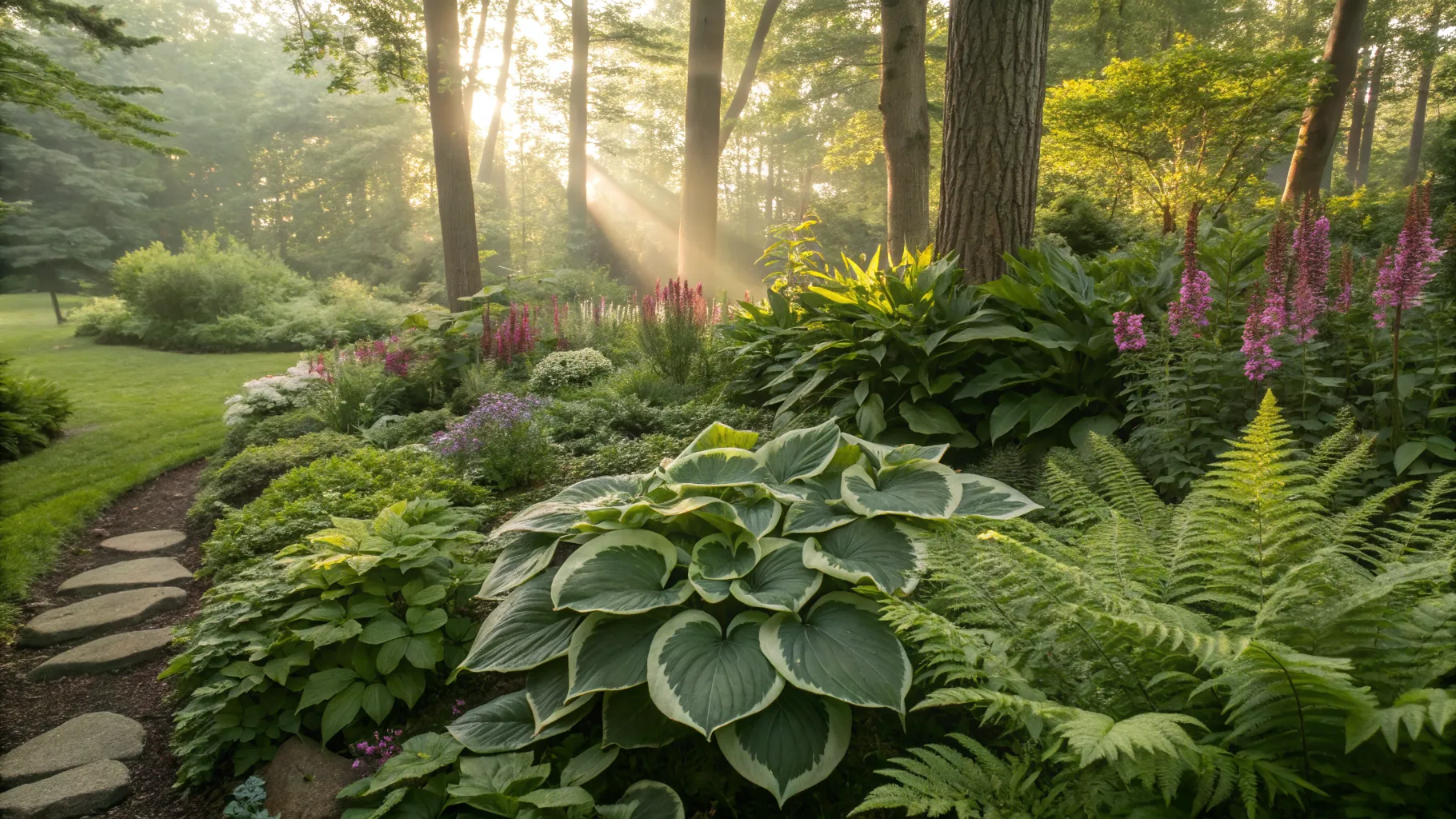
Our Top 10 Shade Outdoor Plants for a Lush Landscape
Here are the best performers for those tricky, shaded spots. Each of these outdoor plants for shade offers unique characteristics, from stunning foliage to delicate blooms, ensuring your garden is anything but dull.
1. Hosta
Hostas are the undisputed kings of the shade garden. Prized for their magnificent foliage, they come in a vast array of sizes, colors, and textures, from deep blues to bright chartreuses and variegated patterns. They are incredibly hardy and low-maintenance shade garden plants, making them perfect for beginners. Hostas thrive in partial to full shade and prefer rich, moist, well-drained soil.
2. Astilbe
For a splash of color, Astilbe is an excellent choice. These perennials produce feathery plumes of flowers in shades of pink, red, purple, and white during the summer months. They add a soft, airy texture to the garden and are fantastic shade loving plants that attract pollinators. Astilbe prefers consistently moist soil and will not tolerate drought.
3. Ferns
With their delicate, arching fronds, ferns bring a sense of elegance and tranquility to any shade garden. Varieties like the Japanese Painted Fern offer silvery fronds with hints of burgundy, while the classic Ostrich Fern provides dramatic height. Ferns are quintessential outdoor plants for shade, thriving in the dappled light and moist conditions found under trees.
4. Heuchera (Coral Bells)
Heuchera is grown primarily for its stunning, often ruffled foliage that comes in an incredible range of colors, including deep purple, bronze, orange, and lime green. These mounding perennials are versatile plants for low light gardens, providing year-round interest. They also produce delicate bell-shaped flowers on tall stems in late spring.
5. Bleeding Heart (Dicentra spectabilis)
A classic cottage garden favorite, the Bleeding Heart produces unique, heart-shaped flowers that dangle from arching stems in the spring. It is a true spectacle and one of the most charming shade garden plants you can grow. After its spring bloom, the foliage often goes dormant in the summer heat, so it's best paired with other plants that will fill the space.
6. Impatiens
For reliable and continuous color in deep shade, nothing beats Impatiens. These annuals are workhorses, producing a profusion of flowers from spring until the first frost. They are perfect for borders, containers, and mass plantings, making them some of the most popular 10 shade outdoor plants for instant impact. They require regular watering to perform their best.
7. Begonia
Begonias are another excellent choice for adding color to shaded areas. Tuberous begonias offer large, rose-like flowers, while wax begonias provide mounds of smaller blooms and attractive, waxy foliage. They are versatile outdoor plants for shade that do well in containers, hanging baskets, and garden beds, preferring well-drained soil.
8. Hydrangea
Certain varieties of Hydrangea, particularly the Oakleaf and Bigleaf types, perform exceptionally well in partial shade. They are beloved for their large, dramatic flower heads that bloom in summer. These substantial shrubs provide structure and are fantastic anchor shade loving plants in a mixed border, offering beauty from their flowers to their interesting bark in winter.
9. Japanese Forest Grass (Hakonechloa)
This ornamental grass adds a unique texture and movement to the shade garden. Japanese Forest Grass has a graceful, cascading habit that resembles a waterfall of foliage. The golden and variegated varieties are particularly effective at brightening up dark spots. It is a slow-growing but long-lived perennial that thrives in rich, moist soil, making it one of the most elegant plants for low light gardens.
10. Lungwort (Pulmonaria)
Lungwort is a low-growing perennial that is one of the first to bloom in spring, producing clusters of pink, blue, or white flowers. Its most notable feature is its foliage, which is often spotted or mottled with silver, providing interest long after the flowers have faded. It is a tough and reliable groundcover, perfect for adding texture to your collection of shade garden plants.
Choosing Between Foliage and Flowers for Your Shade Garden
When planning your shade garden, a key decision is whether to prioritize foliage or flowers. Foliage plants like Hostas, Ferns, and Heuchera form the backbone of many shade garden plants collections, providing consistent color, texture, and structure throughout the growing season. Their varied leaf shapes and colors create a tapestry of green, blue, silver, and gold. On the other hand, flowering shade loving plants like Astilbe, Impatiens, and Bleeding Hearts provide seasonal bursts of vibrant color, attracting pollinators and creating focal points. A successful design often involves a combination of both. Use foliage plants to create a lush, green canvas and then strategically place flowering outdoor plants for shade to add seasonal highlights and visual excitement.
Tips for a Thriving Shade Garden
Ensuring your collection of 10 shade outdoor plants thrives requires more than just correct placement. Follow these tips to create the perfect environment:
- Improve Your Soil: Shady areas, especially under trees, often have poor, dry soil. Amend it heavily with compost and other organic matter to improve its structure and ability to retain moisture.
- Water Wisely: While many shade plants like moisture, they don't like to be waterlogged. Water deeply but infrequently, allowing the soil to dry slightly between waterings. Morning is the best time to water.
- Embrace Bright Foliage: Use plants with chartreuse, golden, or variegated leaves to illuminate dark corners. These colors act like natural spotlights in plants for low light gardens.
- Manage Pests: Shade and moisture can be a breeding ground for slugs and snails, which love plants like Hostas. Use organic slug bait or other control methods to protect your plants.
- Prune for Light: If your shade is from trees, consider selectively pruning lower branches (limbing up) to allow more ambient light to reach the ground.
Frequently Asked Questions
What are the best low-maintenance outdoor plants for shade?
For gardeners seeking low-effort options, Hostas, Ferns, and Heuchera are excellent choices. Once established, they are quite resilient and require minimal care beyond occasional watering and an annual application of compost. They provide a high-impact look with very little work.
Can shade loving plants survive with no direct sunlight at all?
Most plants require some light to photosynthesize. The plants listed here thrive in what is called 'full shade,' which typically means they receive less than three hours of direct sun per day, or dappled light for most of the day. Very few plants can survive in a location with absolutely no light at all, such as a deep, covered entryway.
How do I add color to my garden with plants for low light gardens?
You can add color in two ways: with flowers or with colorful foliage. For blooms, choose Impatiens, Begonias, and Astilbe. For season-long color from leaves, select varieties of Heuchera (which come in purples, reds, and oranges) and golden-leaved Japanese Forest Grass or Hostas.
References
- The Complete Guide to Shade Gardening - Royal Horticultural Society
- Gardening in Low Light Conditions - University Extension Services
- Perennials for Shade - American Horticultural Society