10 Resilient Plants That Thrive With Very Little Water
Creating a beautiful garden or adding greenery to your home doesn't have to mean a high water bill and constant upkeep. Many stunning plants have adapted to survive and even thrive in arid conditions, making them perfect for low-maintenance gardening. These water-wise plants store moisture in their leaves, stems, or roots, allowing them to go for long periods without a drink. Choosing drought-tolerant species is an excellent way to conserve water while enjoying the beauty of nature.
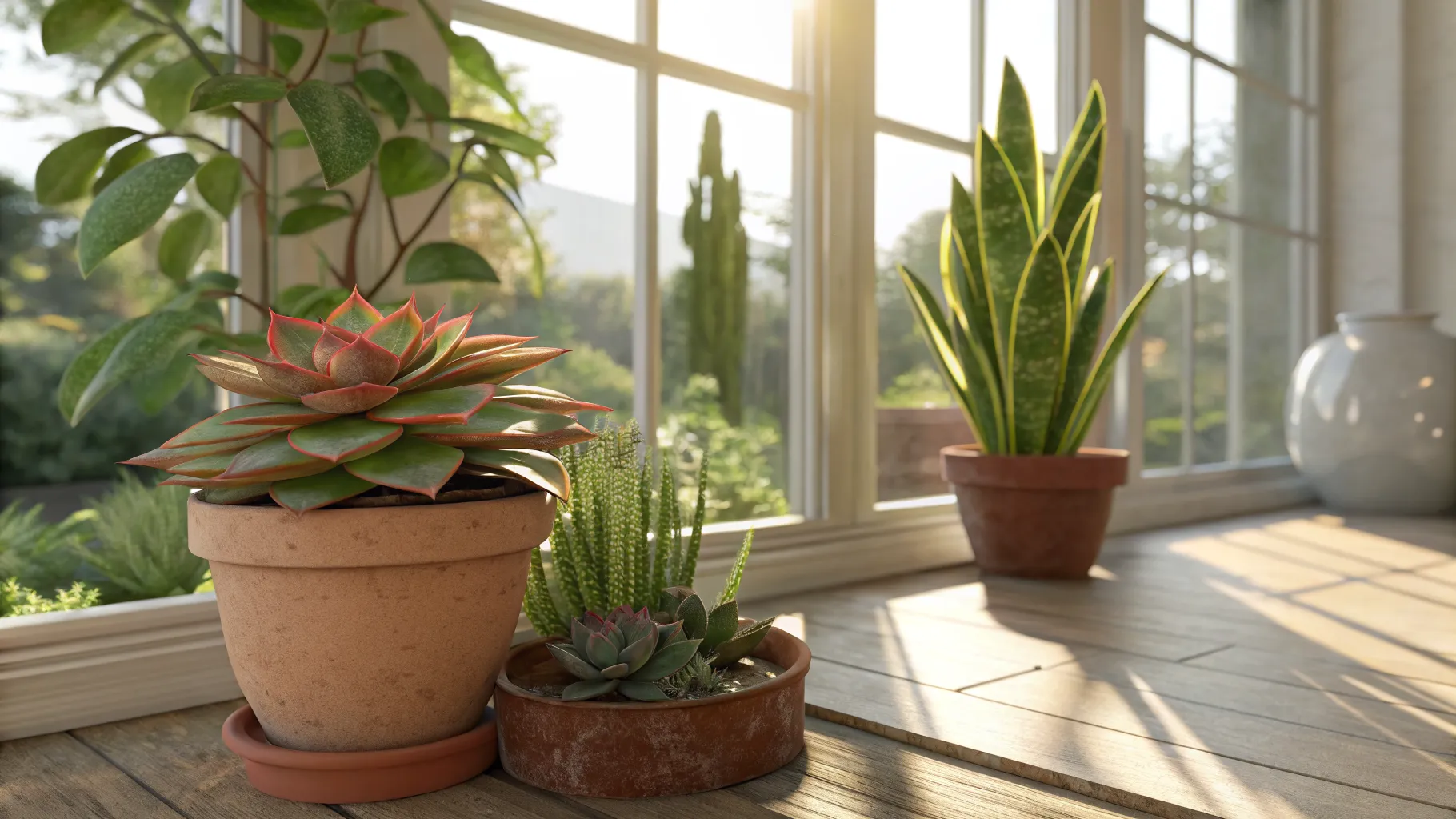
Snake Plant (Sansevieria trifasciata)
The Snake Plant, also known as mother-in-law's tongue, is a champion of neglect. Its stiff, upright leaves are not just visually striking; they are also highly efficient at storing water. This allows the plant to tolerate long periods of drought without showing signs of stress. It is one of the most forgiving houseplants you can own, making it an ideal choice for beginners or those who travel frequently.
This plant prefers its soil to dry out completely between waterings. In fact, one of the most common issues with snake plants is overwatering, which can lead to root rot. It also adapts well to a wide range of light conditions, from low indirect light to bright sun, further cementing its reputation as a nearly indestructible plant.
ZZ Plant (Zamioculcas zamiifolia)
With its glossy, dark green leaves, the ZZ Plant is an attractive addition to any indoor space, and it is exceptionally low-maintenance. Its secret to survival lies underground in its large, potato-like rhizomes that store water. This built-in reservoir system allows the plant to endure extended dry spells with ease.
Similar to the snake plant, the ZZ Plant is more likely to suffer from too much water than too little. You should allow the soil to become completely dry before watering again. It flourishes in low to bright indirect light and generally requires very little attention to look its best, making it a perfect office or home companion.
Succulents
Succulents are a diverse group of plants known for their fleshy, water-storing leaves and stems. Popular varieties like Echeveria, Sedum, and Sempervivum come in a spectacular array of shapes, colors, and textures. Their ability to hold water makes them incredibly drought-tolerant and perfect for sunny, dry spots in your garden or on a windowsill.
To keep succulents happy, provide them with plenty of sunlight and well-draining soil, often a special cactus or succulent mix. They need infrequent watering, especially during their dormant season. Always check that the soil is dry to the touch before giving them a drink.
Cacti
When you think of drought-tolerant plants, cacti are often the first to come to mind, and for good reason. These plants are masters of water conservation, having evolved in some of the world's most arid environments. Their spines are modified leaves that reduce water loss, and their thick, waxy stems are designed for maximum water storage.
Cacti require very little care, primarily needing bright, direct sunlight and soil that drains extremely well. They should be watered sparingly, allowing the soil to dry out completely and stay dry for a period before watering again. During the winter months, their water needs decrease even further.
Lavender (Lavandula)
Known for its beautiful purple flowers and calming fragrance, Lavender is also a surprisingly tough and water-wise plant. Native to the dry, rocky soils of the Mediterranean, it is well-adapted to hot sun and low moisture. Once established, it requires very little supplemental watering to produce its iconic scented spikes.
For best results, plant lavender in a location that receives full sun for at least six to eight hours a day. It thrives in sandy or gravelly soil that offers excellent drainage. Good air circulation is also important to prevent fungal issues, so give each plant plenty of space.
Rosemary (Salvia rosmarinus)
Another popular Mediterranean herb, Rosemary is as resilient as it is flavorful. Its needle-like leaves are specifically designed to minimize water loss through evaporation, an adaptation that helps it thrive in hot, dry climates. This woody perennial is an excellent choice for a low-water herb garden or landscape.
Rosemary demands full sun and well-drained soil. It is particularly susceptible to root rot in wet, heavy soils, so proper drainage is crucial. Once it has established a deep root system, it becomes extremely drought-tolerant and will rarely need watering unless there is a prolonged and severe drought.
Aloe Vera
Famous for the soothing gel inside its leaves, Aloe Vera is also an incredibly easy-to-care-for succulent. Its thick, fleshy leaves act as water reservoirs, enabling the plant to survive long periods without rain or irrigation. This makes it an excellent houseplant that can be mostly forgotten about.
Aloe Vera prefers bright, indirect sunlight. While it can tolerate some direct sun, too much can cause its leaves to turn brown. Plant it in a cactus or succulent potting mix and water deeply but infrequently. Let the soil dry out for a few inches from the top before watering again.
Pothos (Epipremnum aureum)
Often hailed as one of the easiest houseplants to grow, Pothos is remarkably forgiving when it comes to watering. While it appreciates consistent moisture more than a true desert plant, it can tolerate being underwatered. The leaves will begin to droop slightly when it's thirsty, providing a clear visual cue that it's time for a drink.
This vining plant is versatile and can grow in a range of light conditions, from low light to bright, indirect light. It bounces back quickly even after wilting from thirst, making it a great option for those still learning how to care for plants. Just be sure not to let it sit in waterlogged soil.
Yucca
Yucca plants bring a dramatic, architectural element to gardens and homes. With their sharp, sword-like leaves and tall flower spikes, they make a bold statement. Native to arid regions, they are exceptionally well-suited for dry conditions, storing water in their thick trunks and extensive root systems.
Yuccas need plenty of direct sunlight and sandy, well-draining soil. Whether planted in a pot or in the ground, they are highly susceptible to root rot if overwatered. They are an excellent choice for xeriscaping or for a pot in a very sunny, hot location where other plants might struggle.
Bougainvillea
For a stunning splash of color, Bougainvillea is an excellent choice. This vibrant, vining plant is known for its brilliant, paper-like bracts in shades of pink, purple, red, and orange. Surprisingly, this tropical-looking plant prefers its soil to be on the drier side and is quite drought-tolerant once established.
Bougainvillea needs a lot of direct sun to produce its spectacular show of color. Overwatering can actually inhibit blooming, encouraging the plant to produce more green leaves instead of colorful bracts. It's a perfect plant for a hot, sunny wall or fence where it can climb and flourish with minimal water.