10 Resilient Plants That Thrive in Full Sun
Gardening in a spot that receives unrelenting, direct sunlight all day can be a challenge. While some plants wilt and scorch, others are perfectly adapted to soak up the rays and put on a spectacular show. Choosing the right species is key to creating a lush, colorful garden that can handle the heat. This guide explores ten excellent options that not only survive but truly thrive in full-sun conditions.
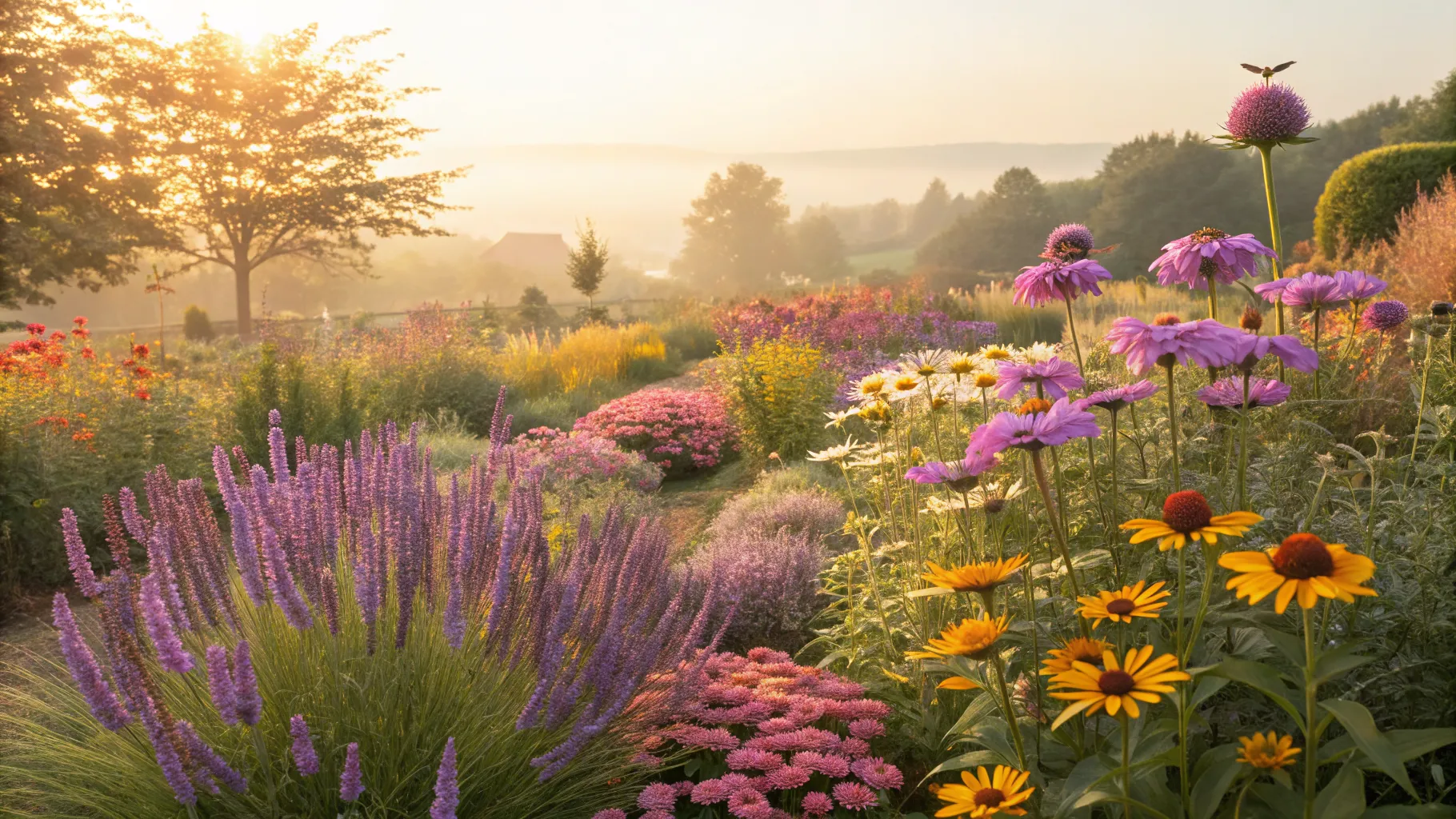
What Does 'Full Sun' Mean for Your Garden?
Before selecting your plants, it's important to understand what 'full sun' actually means in gardening terms. A location is generally considered full sun if it receives at least six hours of direct, unfiltered sunlight per day. These hours don't have to be consecutive, but the total exposure should meet that minimum threshold. Areas with southern or western exposure often have the most intense sun, especially during the afternoon.
Plants adapted for these conditions often have specific characteristics, such as waxy or silvery leaves that reflect sunlight, or deep root systems to find moisture. Understanding your garden's light patterns is the first step toward choosing plants that will prosper. Observe your yard throughout the day to identify the spots that get the most consistent and prolonged sun exposure.
Classic Perennials That Return Year After Year
Perennials are a fantastic investment for any garden, as they come back each year. For sunny spots, few are as reliable and beautiful as Coneflower (Echinacea), Black-Eyed Susan (Rudbeckia), and Salvia. Coneflowers are known for their daisy-like petals and prominent central cones, attracting pollinators like bees and butterflies. They are remarkably drought-tolerant once established and come in a range of colors from classic purple to pink, white, and orange.
Black-Eyed Susans offer a burst of golden-yellow color from mid-summer to fall, providing a cheerful and low-maintenance display. They are native to North America and are exceptionally hardy. Salvia, another perennial favorite, produces tall spikes of intensely colored flowers, often in shades of blue, purple, and red. It's a magnet for hummingbirds and is very resilient in hot, dry conditions, making it a garden workhorse.
Aromatic Herbs That Love the Heat
Many popular culinary herbs hail from sunny, arid regions like the Mediterranean, making them perfect candidates for a full-sun garden. Lavender is perhaps the most famous, beloved for its fragrant purple flowers and silvery-green foliage. It thrives in well-drained soil and intense heat, and its scent is a wonderful addition to any garden space. It's also known for being deer-resistant.
Rosemary is another robust, sun-loving herb that doubles as an attractive evergreen shrub. Its needle-like leaves are incredibly aromatic and useful in the kitchen. Once established, rosemary is extremely drought-tolerant. Similarly, Russian Sage offers a stunning visual with its airy, silver-gray foliage and tall spires of lavender-blue flowers that bloom from late summer into the fall. It creates a soft, hazy texture in the garden and requires very little water.
Cheerful Annuals for a Season of Color
Annuals complete their life cycle in one growing season, making them ideal for filling in gaps and providing continuous color. Zinnias are a top choice for sunny gardens, offering a rainbow of vibrant colors on sturdy stems. They are easy to grow from seed, bloom profusely until the first frost, and make excellent cut flowers. They handle heat with ease and keep the garden looking lively all summer long.
Marigolds are another classic, known for their bright yellow, orange, and red pom-pom-like flowers. They are famously easy to care for and are often planted in vegetable gardens as they are thought to deter certain pests. Verbena is a versatile annual that can act as a groundcover or a 'spiller' in container arrangements. It produces clusters of small flowers in shades of purple, pink, red, and white, and it blooms continuously even in the hottest weather.
Hardy Succulents for Dry, Sunny Spots
For the most challenging, sun-baked areas of your garden where little else will grow, succulents are the perfect solution. Sedum, also known as Stonecrop, is a large genus of plants with fleshy, water-storing leaves, making them incredibly drought-resistant. They come in a wide variety of forms, from low-growing groundcovers to upright varieties that provide fall interest with their flower heads.
Upright Sedum varieties, like the popular 'Autumn Joy', produce large broccoli-like heads that start green, turn pink, and deepen to a rich copper-red in the fall. Low-growing Sedums are perfect for rock gardens, path borders, or dry slopes. They require well-draining soil and minimal care, making them one of the easiest ways to add texture and color to a sunny landscape.
Tips for Helping Your Sun-Loving Plants Thrive
Even plants adapted to full sun can benefit from a little extra care to help them perform their best, especially when they are first planted. Here are a few tips for success:
- Water Deeply, Not Daily: Water new plants regularly until they are established. For mature, drought-tolerant plants, it's better to water deeply and infrequently to encourage deep root growth. This makes them more resilient during dry spells.
- Amend Your Soil: Most sun-loving plants prefer well-draining soil. If you have heavy clay, amend it with compost or other organic matter to improve drainage and prevent root rot.
- Apply Mulch: A two- to three-inch layer of organic mulch (like shredded bark or wood chips) helps retain soil moisture, keeps roots cool, and suppresses weeds that compete for water and nutrients.
- Timing Matters: Plant on a cool, overcast day or in the evening to reduce transplant shock. Watering well right after planting is crucial for helping the plant settle into its new home.