10 Outdated Haircuts for Men Trends From the Past
10 Outdated Haircuts for Men
In 2025, the trend of men's hairstyles continues to evolve rapidly, leaving behind styles that once dominated the scene. It's important for modern men to stay updated with grooming practices that resonate with today's aesthetic while understanding what has fallen out of favor. This article will discuss ten outdated haircuts for men, providing an educational guide to shifting hairstyle trends.
What to Know About Men’s Hairstyles That Have Fallen Out of Trend
Over the last decade, there's been a significant change in men's grooming styles, often reflecting broader cultural shifts and lifestyle changes. As fashion houses and streetwear brands influence personal style, certain haircuts that were once fashionable are now viewed as relics. Here are some hairstyles that are considered outdated in 2025:
- The Mullet: Ah, the iconic mullet. It was once a symbol of rebellious individuality, but the phrase "business in the front, party in the back" doesn’t hold the same charm it once did. In 2025, the mullet has officially been relegated to nostalgia and costume parties.
- The Bowl Cut: In recent years, the bowl cut has become a clear example of hair choices rooted more in childhood than style. Its rigid lines and lack of versatility have made it less appealing in a world that values textured and natural looks.
- The Caesar Cut: Though once revered for its clean and neat appearance, the Caesar cut has lost its luster as men now prefer styles that allow for more texture and movement. Today’s hairstyles focus on the messy and relaxed aesthetics.
- The Flat Top: Popular in the late '80s and early '90s, the flat top has long been sidelined. The extreme height and angular shape feel out of place in a contemporary style where flow and natural shapes reign supreme.
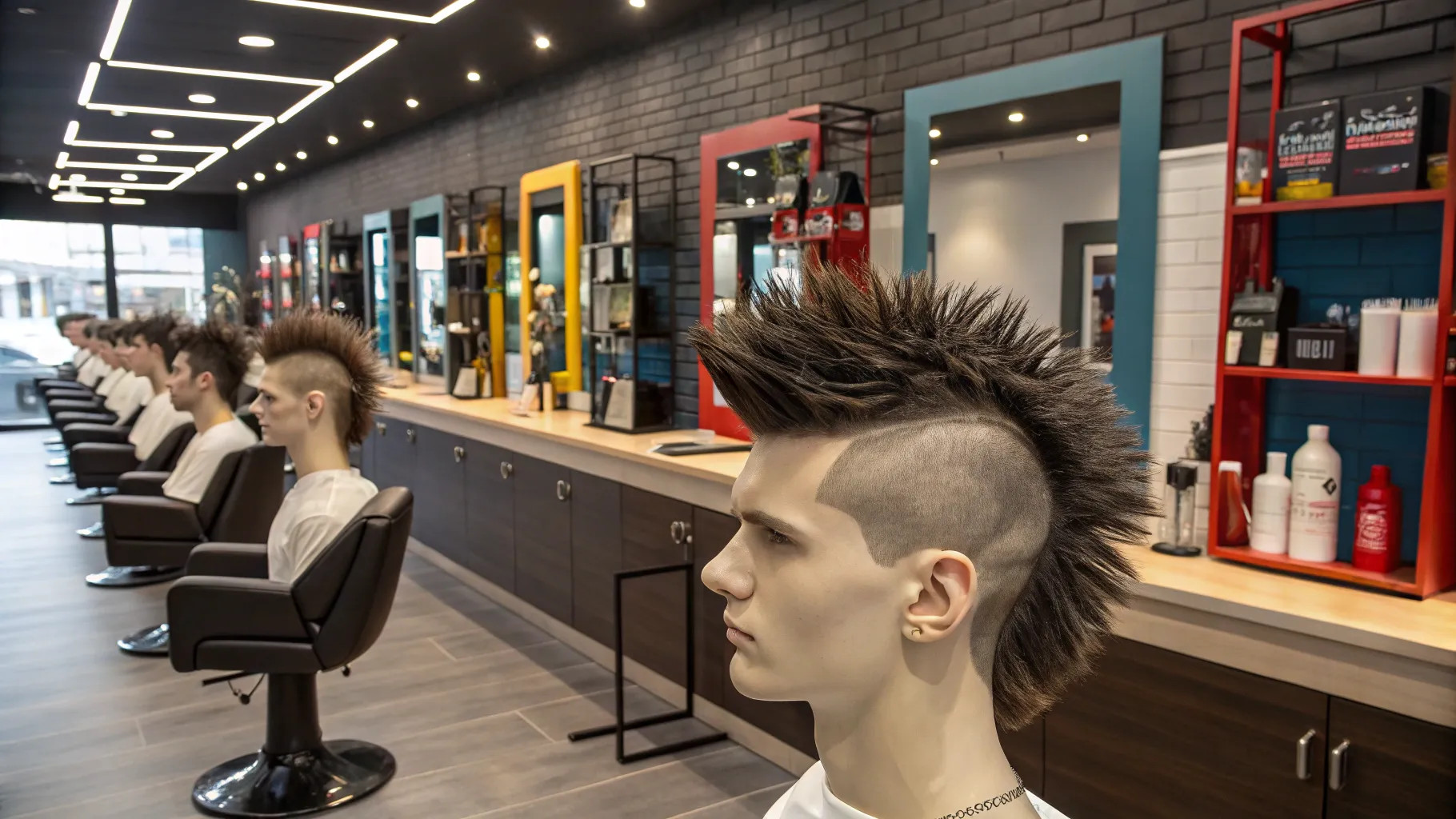
- The Faux Hawk: While it had its time to shine, the faux hawk is now often considered an uninspired choice. Today’s trends prefer a more subtle incorporation of height, often seen in textured quiffs or messy hairstyles with volume.
- The Side Part: Once the epitome of dapper gentleman style, the deep side part feels outdated as men gravitate towards more casual and disheveled looks. Variations like the textured crop or messy brush-up are far more in vogue.
- The High and Tight: Military-inspired cuts may never completely disappear, but the high and tight lacks the adaptability and style that many are drawn to today. Modern alternatives that blend military precision with casual styles have taken its place.
- The Spiky Hair: Remember the days when spiking your hair with gel was the go-to move for a night out? In 2025, that look feels overly structured and is easily considered tacky. The current trends lean towards more organic and less manipulated hairstyles.
- The Combed Over Undercut: This style might still find a place in certain formal settings but in casual or trendy contexts, it's often viewed as dated. The modern version is revitalized by adding texture and a more relaxed finish.
- The Rat Tail: Once a quirky symbol of personal expression, the rat tail is now widely mocked and recognized as an outdated craze. Today’s hairstyles that embrace individuality often take subtler forms.
Understanding these outdated styles provides context for how men’s grooming styles evolve over time. Analyzing past trends is crucial for designers and barbers alike, as they create cuts that are current and relatable.
Changing Styles and Trends for Men
In today's landscape, men’s hairstyles reflect a blend of cultural influences—from classic rock aesthetics to modern-day streetwear. The shift to more versatile and textured hairstyles allows men to express their individuality while still embracing contemporary trends. Barber shops worldwide are increasingly favoring styles that can adapt to various occasions and settings, focusing on cuts that exude coolness without being overly fussy.
Statistics from 2025 indicate that 68% of men aged 18 to 35 now prefer hairstyles that are easy to maintain yet stylish. This trend lies at the core of the modern grooming movement, emphasizing natural textures and effortless looks. Treatments like texturizing sprays and pomades that enhance volume without rigid structure are steadily gaining popularity.
Real-world examples further illustrate this shift. Take popular influencers—such as TikTok creators or Instagram models. Their hairstyles often combine practicality with current trends, showcasing looks that resonate with their followers while helping them maintain a relatable everyman aesthetic. The blend of classic and contemporary creates a refreshing approach to male grooming.
Emerging styles like the textured crop, tousled curls, and longer flowing styles are taking center stage. In 2025, hair products specifically designed for men cater to this creativity, providing options that allow individuals to switch up their looks effortlessly.
As we navigate through 2025, it's crucial to consider that personal grooming and haircuts are not simply about fashion—they carry social significance. The haircuts men choose can reflect their personalities, lifestyles, and cultural affiliations. While many styles have fallen out of favor, each outdated hairstyle tells a story of its own, a snapshot of a time when they were trends. Awareness of endless possibilities in modern grooming opens the door to personal expression that is both freeing and exciting. Whether it’s embracing longer styles or layering in a modern twist, the current landscape of men's hairstyles is all about celebrating individuality in the ever-changing cycle of trends.