The 10 Most Impressive World Cup Stadiums Ever Built
Facts:
- The 2026 FIFA World Cup will be the first hosted by three nations.
- A growing trend for football stadium travel involves architectural tours of venues.
Architectural Marvels: A Global Tour of Iconic World Cup Venues
The FIFA World Cup is more than just a tournament; it's a global spectacle where history is made and legends are born. Central to this drama are the arenas themselves—colossal structures that stand as monuments to sport and culture. This guide delves into the 10 most impressive world cup stadiums, exploring the hallowed grounds that have hosted football's greatest moments. These are not just fields of play; they are destinations in their own right, attracting fans and architecture enthusiasts alike. For anyone interested in football stadium travel, these world cup venues represent the pinnacle of design, atmosphere, and historical significance, making them essential stops on any sports pilgrimage. From classic cauldrons of noise to futuristic wonders, these famous football stadiums have left an indelible mark on the beautiful game.
The Definitive List: Top 10 Most Impressive World Cup Stadiums
Compiling a list of the greatest world cup stadiums is a journey through football history. Each venue offers a unique story, from unforgettable finals to groundbreaking architectural feats. These stadiums are selected not just for their size, but for their impact on the tournament and their lasting legacy in the world of sport.
1. Maracanã Stadium, Rio de Janeiro, Brazil
An icon of world football, the Maracanã is arguably one of the most famous football stadiums on the planet. Built for the 1950 World Cup, it witnessed the infamous 'Maracanazo' where Uruguay upset Brazil in the final. Renovated for the 2014 World Cup, it hosted another final, cementing its legendary status. A visit to this cathedral of football is a rite of passage for any fan undertaking a football stadium travel journey, offering a palpable sense of history that few other world cup venues can match.
2. Wembley Stadium, London, England
Though the modern Wembley replaced the original Twin Towers, its legacy is undeniable. The 'Home of Football' hosted the 1966 World Cup final, England's only triumph. The new stadium, with its iconic arch, is a marvel of modern engineering. It stands as a premier destination among the 10 most impressive world cup stadiums, known for its incredible atmosphere and state-of-the-art facilities that make it a leading global venue.
3. Soccer City (FNB Stadium), Johannesburg, South Africa
The site of the 2010 World Cup final, Soccer City is famous for its unique 'Calabash' or African pot design. This architectural masterpiece symbolized the first World Cup held on African soil. Its vibrant design and the deafening sound of vuvuzelas created an unforgettable atmosphere, making it one of the most visually stunning and culturally significant world cup stadiums ever constructed.
4. Estadio Azteca, Mexico City, Mexico
No other stadium has hosted two FIFA World Cup finals. The Azteca was the stage for Pelé's 1970 masterpiece with Brazil and Diego Maradona's 'Hand of God' and 'Goal of the Century' in 1986. Its immense size and history make it a hallowed ground in football lore. It's a must-visit for those exploring historic world cup venues, offering a glimpse into some of the sport's most legendary moments.
5. Lusail Stadium, Lusail, Qatar
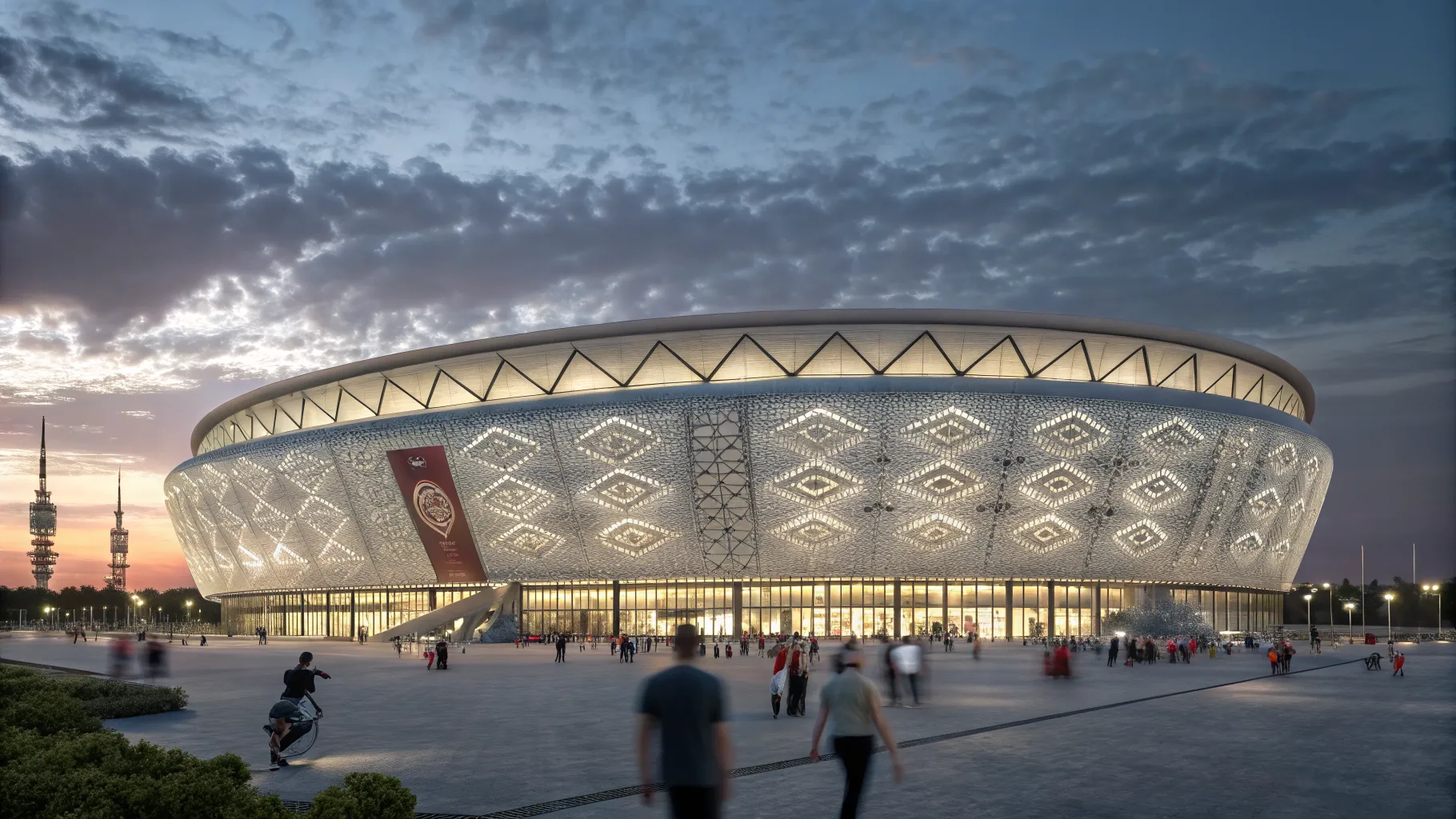
The centerpiece of the 2022 World Cup, Lusail Stadium is a testament to modern architectural ambition. Its intricate design is inspired by the interplay of light and shadow that characterizes the 'fanar' lantern. Hosting a thrilling final between Argentina and France, it instantly became one of the most talked-about world cup venues, blending cultural motifs with cutting-edge sustainable technology.
6. Allianz Arena, Munich, Germany
Known for its stunning exterior of inflated ETFE plastic panels, the Allianz Arena can be illuminated in a vast array of colors. It was a key venue during the 2006 World Cup in Germany. Its futuristic appearance and incredible fan experience make it one of the most popular destinations for football stadium travel and a standout among modern famous football stadiums.
7. Stade de France, Saint-Denis, France
Built for the 1998 World Cup, this stadium witnessed France's historic first victory on home soil. Its most notable feature is its elliptical roof, which seems to float above the stands, creating an awe-inspiring effect. As a versatile and architecturally significant arena, it remains one of Europe's most important world cup stadiums.
8. Olympiastadion, Berlin, Germany
Steeped in history, the Olympiastadion hosted the 1936 Olympics and the 2006 World Cup final, a match famous for Zinedine Zidane's infamous headbutt. The stadium's blend of neoclassical architecture and modern renovations, including its iconic blue running track, makes it a unique and powerful venue. It's a poignant stop on any tour of famous football stadiums.
9. MetLife Stadium, New Jersey, USA
Set to host the 2026 World Cup Final, MetLife Stadium is a modern giant. Its neutral color scheme allows it to be transformed for its home teams, and its colossal scale is built for major events. As a future host, it's already cementing its place among the 10 most impressive world cup stadiums, promising a spectacular finale for the expanded tournament.
10. SoFi Stadium, Los Angeles, USA
Another key venue for the 2026 World Cup, SoFi Stadium is considered the most expensive stadium ever built. Its groundbreaking design includes a translucent roof and the massive Infinity Screen video board. It represents the future of world cup venues, focusing on an unparalleled spectator experience and technological integration, making it an essential destination for modern sports fans.
Comparing the Classics: Old vs. New World Cup Venues
The evolution of world cup stadiums tells a story of technological and cultural change. Classic venues like the Maracanã and Estadio Azteca were built as vast concrete bowls, designed to hold as many spectators as possible, creating raw, intimidating atmospheres. Their history is their primary appeal. In contrast, new-generation world cup venues like Lusail Stadium and SoFi Stadium are architectural marvels focused on sustainability, fan comfort, and multi-purpose functionality. While modern stadiums offer superior amenities and technology, many fans on a football stadium travel tour argue that the historic grounds possess a soul and character that cannot be replicated. The debate between raw history and modern comfort is central to the identity of these famous football stadiums.
Planning Your Football Stadium Travel Adventure
Embarking on a journey to visit these iconic sporting cathedrals requires some planning. Here are some tips for an unforgettable experience:
- Book Stadium Tours in Advance: Most major world cup stadiums offer behind-the-scenes tours. These often include visits to the locker rooms, players' tunnel, and pitchside. Booking online beforehand is essential, especially during peak season.
- Check Match-Day Schedules: While a tour is great, nothing beats the atmosphere of a live match. Plan your football stadium travel around a local league game to experience the venue in its full, passionate glory.
- Explore the Surrounding Area: Many famous football stadiums are located in culturally rich areas. Allocate time to explore the city, visit fan zones, and soak in the local football culture that surrounds these massive structures.
- Consider a Multi-Venue Trip: For the ultimate experience, plan a trip that covers multiple world cup venues in a single country or region. For example, a tour of Germany could include both the Allianz Arena and the Olympiastadion.
Frequently Asked Questions
What makes these famous football stadiums so special?
These famous football stadiums are special due to a combination of historical significance, architectural innovation, and the unforgettable atmosphere they generate. They have been the stage for some of the most iconic moments in sports history, making them hallowed ground for fans worldwide.
How are new world cup venues chosen for the tournament?
New world cup venues are chosen based on a rigorous bidding process. Host nations must present stadiums that meet FIFA's strict criteria for capacity, security, infrastructure, media facilities, and sustainability. The selection often favors a mix of new, state-of-the-art constructions and renovated historical stadiums.
Is it possible to visit all 10 most impressive world cup stadiums?
Yes, it is possible for a dedicated fan to visit all 10 most impressive world cup stadiums, as they are all operational and generally open to the public for tours or matches. However, it would require significant planning and travel across multiple continents.
References
- FIFA World Cup Official Archives
- Stadium Architecture and Design Monthly
- Global Football Travel Guides
- Reports from National Football Associations