10 Key Foods to Support Bone Health and Manage Osteoporosis
Managing osteoporosis involves more than just medical treatments; a well-balanced diet rich in bone-supporting nutrients plays a crucial role. Key minerals and vitamins like calcium, vitamin D, magnesium, and vitamin K are the building blocks of strong, healthy bones. Incorporating specific foods into your daily meals can help you meet your nutritional needs and support your overall bone health.
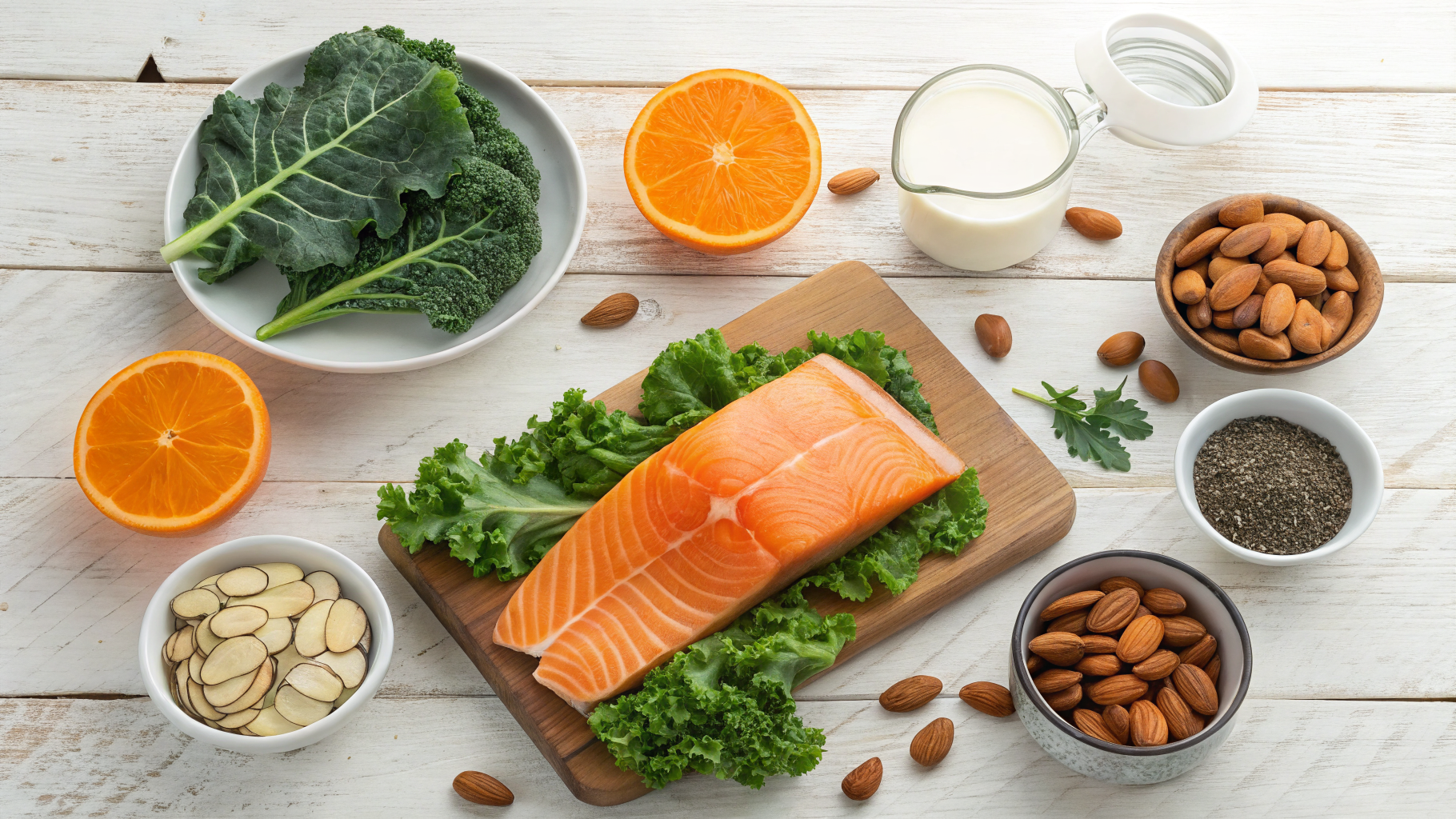
Dairy Products: The Calcium Powerhouses
Dairy is often the first food group that comes to mind for bone health, and for good reason. It is one of the most readily available and absorbable sources of calcium, the primary mineral found in your bones. Consuming adequate calcium is essential throughout life to build and maintain bone density, which helps reduce the risk of fractures.
Beyond milk, other dairy products offer excellent nutritional benefits. Consider these options:
- Yogurt: Plain or Greek yogurt provides a significant amount of calcium and often contains probiotics, which support gut health.
- Cheese: Harder cheeses like Parmesan and cheddar tend to have a higher calcium concentration than softer cheeses.
- Kefir: This fermented milk drink is not only rich in calcium but also packed with probiotics that may enhance nutrient absorption.
Leafy Green Vegetables
Dark, leafy greens are nutritional champions, offering a wealth of vitamins and minerals crucial for bone health. Many are excellent plant-based sources of calcium, making them vital for those who do not consume dairy. They also provide vitamin K, which is necessary for bone mineralization and helps bind calcium to the bone matrix.
Some of the best leafy greens for your bones include kale, collard greens, turnip greens, and bok choy. While spinach is also a leafy green, it contains oxalates, compounds that can interfere with calcium absorption. While still healthy, it should not be your primary source of calcium from greens.
Fatty Fish for Vitamin D
Vitamin D is essential for bone health because it helps the body absorb calcium from the food you eat. While sunlight is a primary source of vitamin D, it can be challenging to get enough, especially during winter months. This is where fatty fish can play a important role in your diet.
Salmon, mackerel, and sardines are excellent sources of naturally occurring vitamin D. Canned salmon and sardines are particularly beneficial because they often include the soft, edible bones, which provide an extra boost of calcium. Including a serving of fatty fish in your meals a couple of times a week can significantly contribute to your vitamin D and calcium intake.
Fortified Foods and Beverages
Food fortification is the process of adding micronutrients to food, and it can be a great way to boost your intake of bone-building vitamins and minerals. Many common grocery items are fortified with calcium and vitamin D, making it easier to meet your daily requirements without drastic dietary changes.
Look for products that are explicitly labeled as 'fortified.' Some of the most common options include:
- Fortified Orange Juice: A glass with breakfast can provide a significant portion of your daily calcium and vitamin D needs.
- Fortified Cereals: Many breakfast cereals are enriched with essential nutrients. Check the nutrition label to see the amount per serving.
- Fortified Plant-Based Milks: Soy, almond, oat, and rice milks are often fortified to match the calcium and vitamin D content of cow's milk.
Prunes for Bone Support
Prunes, which are dried plums, have emerged in research as a particularly beneficial food for bone health. Studies suggest that eating a serving of prunes daily may help slow the rate of bone loss, especially in postmenopausal women. The exact mechanism is still being studied, but it is thought to be related to their unique combination of nutrients and antioxidants.
These fruits contain vitamin K, potassium, and various polyphenols that may support bone formation and reduce bone breakdown. Adding just five to six prunes to your daily routine, perhaps mixed into oatmeal or yogurt, is a simple way to incorporate this bone-protective food into your diet.
Nuts and Seeds
Nuts and seeds are small but mighty when it comes to nutrition for your bones. They provide a good source of magnesium and phosphorus, two minerals that play a key role in the bone structure. Magnesium helps convert vitamin D into its active form, which in turn helps with calcium absorption.
Almonds are a great source of calcium and magnesium. Walnuts provide alpha-linolenic acid, an omega-3 fatty acid that may help reduce bone breakdown. Chia seeds and flaxseeds are also excellent sources of calcium, magnesium, and phosphorus, making them easy to sprinkle over salads, smoothies, or yogurt for an added nutritional punch.
Legumes and Beans
Legumes, a category that includes beans, peas, and lentils, are an excellent plant-based source of bone-supporting nutrients. They are rich in calcium, magnesium, and phosphorus. Additionally, they provide protein, which is essential for building the collagen framework of your bones.
Soybeans are particularly noteworthy. Products like tofu, tempeh, and edamame are not only rich in calcium but also contain isoflavones, plant-based compounds that may have a protective effect on bone density. Other great options include white beans, black-eyed peas, and chickpeas.
Building a Bone-Healthy Diet
While focusing on these food categories is a great start, building a holistic diet is key. Aim for a balanced intake of fruits, vegetables, lean proteins, and whole grains. Proper nutrition for osteoporosis also involves being mindful of what to limit. High intake of sodium can increase calcium loss through the kidneys, so it's wise to moderate processed foods and added salt.
Excessive caffeine and alcohol consumption can also interfere with calcium absorption and bone health. The goal is not to eliminate these things entirely but to consume them in moderation. By focusing on a diet rich in whole foods and bone-supporting nutrients, you can take a proactive step in managing your bone health for years to come.