10 Healthy Eating Myths Explained for Better Nutrition
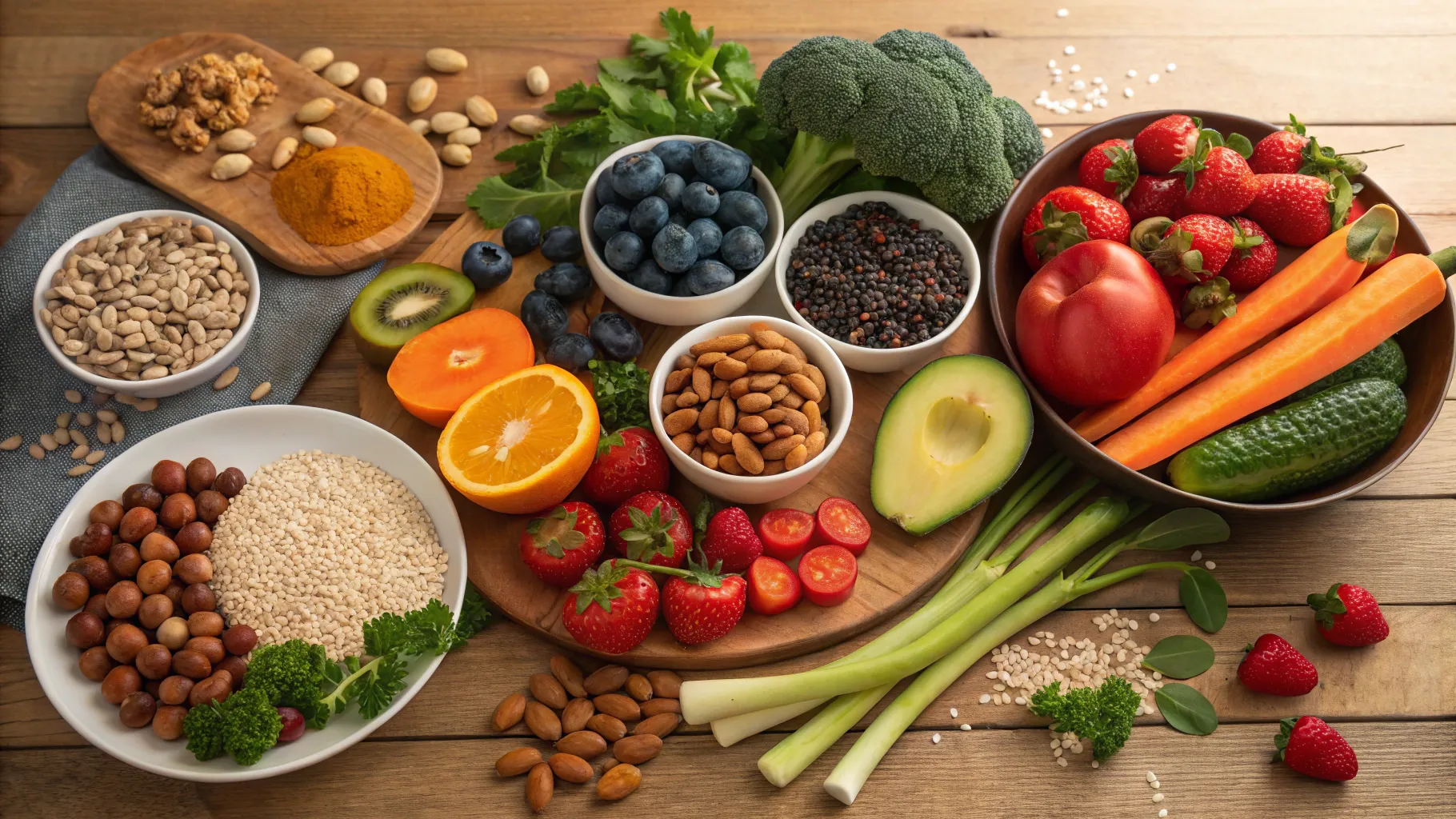
Top 10 Healthy Eating Myths Explained
With the growing interest in healthy eating, it’s no wonder that numerous myths and misconceptions have emerged around food choices and nutrition. These fallacies can lead to confusion and may even hamper individuals on their journey to better health. In this educational guide, we will debunk the 10 healthy eating myths that are prevalent in the health education landscape today.
1. Eating Fat Makes You Fat
One of the longest-standing myths is that consuming fat will automatically lead to weight gain. However, this misconception often ignores the type of fat being ingested. Healthy fats from sources such as avocados, nuts, and olive oil can promote heart health and maintain weight when consumed in moderation. Research has consistently shown that low-fat diets are not necessarily more effective for weight loss than higher-fat diets.
2. Carbs Are the Enemy
The notion that carbohydrates are detrimental to physical health has gained traction over recent years. Yet, not all carbs are created equal. Whole grains, fruits, and vegetables provide essential nutrients and fiber that are vital for a balanced diet. Instead of eliminating carbs, it’s important to choose healthier options and control portion sizes.
3. You Have to Count Calories to Lose Weight
While tracking caloric intake can help some people manage weight, it's not the only path to a healthy lifestyle. Focusing on the quality of the foods you eat, rather than merely the quantity, can be more beneficial in the long run. Many nutritionists argue that nutrient-dense foods will help promote feelings of fullness, reducing overall caloric intake naturally.
4. Organic Food Is Always Healthier
Organic food often comes with a higher price tag, leading many to believe that it is inherently healthier than non-organic options. While organic foods are grown without the use of synthetic pesticides and fertilizers, this does not automatically guarantee that they are more nutritious. The key is to strive for a balanced diet rich in various fruits, vegetables, and whole foods, regardless of their organic status.
5. Sugary Foods Cause Hyperactivity in Children
Many parents fear that sugar consumption leads to hyperactive behavior in children. However, numerous studies have debunked this myth. Research published in major journals indicates no direct correlation between sugar intake and hyperactivity. Other factors, such as environment and expectations, may explain why this belief persists.
6. Detox Diets Are Necessary for Health
The detox diet craze has taken off, with many people believing they need to cleanse their bodies of toxins. The truth is that your body already has a natural detoxification system—your liver and kidneys work continuously to filter and eliminate toxins. A balanced diet rich in whole foods and fiber is far more effective and sustainable for overall health.
7. You Should Avoid All Processed Foods
Not all processed foods are harmful. The term "processed" can encompass everything from frozen fruits and vegetables to microwaveable meals loaded with preservatives and additives. Many minimally processed foods contain essential nutrients. Choosing wisely and reading labels can help you incorporate healthy processed options into your diet.
8. Eating Late at Night Causes Weight Gain
Another common myth is that eating late at night will lead to weight gain. Timing alone does not influence weight; rather, the total caloric intake throughout the day is what matters most. If late-night eating occurs excessively or consists of unhealthy snacks, it can contribute to weight gain. Instead, focus on what you eat and your overall eating patterns.
9. All Smoothies Are Healthy
Smoothies have become a go-to choice for many looking to incorporate more fruits and vegetables into their diets. However, not all smoothies are healthy. Many store-bought options are loaded with added sugars and high-calorie ingredients. To make a nutritious smoothie, focus on using whole fruits, vegetables, and healthy fats, such as nuts or seeds.
10. Supplements Can Replace a Healthy Diet
Finally, some individuals believe that taking supplements can compensate for poor eating habits. While certain vitamins and minerals can be beneficial, they cannot recreate the complex array of nutrients your body receives from whole foods. A diet rich in fruits, vegetables, lean proteins, and healthy fats should remain the foundation of good health.
Recognizing these misconceptions about nutrition can significantly improve your eating habits and overall health. By focusing on balance, variety, and moderation, you can cultivate a healthier relationship with food. Remember, healthy eating is not just about avoiding certain foods or excessive restriction; it’s about making informed choices that enhance your well-being.
In today’s fast-paced world, staying informed about nutrition is vital. By educating ourselves about what constitutes a healthy diet, we empower ourselves to make the best decisions for our bodies. Whether you’re embarking on a new diet or simply trying to refine your current eating habits, keep these common myths in mind to guide your choices effectively.