10 Grocery Tips for Retirees to Shop Smart and Save Money
10 Smart Grocery Habits for Retirees
Grocery shopping is a fundamental part of our daily lives, and for retirees, it can be both a rewarding and necessary endeavor. As we transition into retirement, our lifestyle choices, dietary requirements, and financial perspectives often change. This not only affects how we shop but also how we plan our meals and budget our money. Here are 10 smart grocery habits for retirees that can help you streamline your shopping experience, save money, and eat healthier.
Understanding 10 Smart Grocery Habits for Retirees
- Create a Weekly Meal Plan: Start with a meal plan for the week. This helps eliminate impulse buys and ensures you purchase only what you need. Plan meals that utilize similar ingredients to minimize waste. For instance, if you buy spinach for one dish, consider using it in a salad or omelet later in the week.
- Make a Detailed Shopping List: After planning meals, list out the ingredients you need. Stick to the list while shopping to avoid unnecessary purchases. Research shows that people who shop with a list spend approximately 20 percent less than those who don’t.
- Take Advantage of Store Loyalty Programs: Many grocery stores have loyalty programs that offer discounts or rewards. Sign up for these programs to save money over time. In 2025, many stores are enhancing these programs, offering personalized discounts based on your shopping habits.
- Buy in Bulk: Purchasing staple items like rice, beans, or canned vegetables in bulk can save significant money, especially if you find affordable bulk stores or wholesale clubs. Just be cautious about perishables. Buy bulk only if you can consume it before it spoils.
- Shop Seasonally: Fruits and vegetables are often cheaper and fresher when bought in season. By focusing on seasonal produce, you're not only saving money but also enjoying the best flavors. Recent data from the USDA shows that shopping for seasonal produce can save you upwards of 30% on fruits and vegetables.
- Utilize Coupons and Apps: Embrace technology! Many applications can help you find coupons for items on your shopping list. Furthermore, digital couponing has surged in popularity, with estimates indicating that 61% of seniors have started using coupon apps in the last year.
- Consider Flexible Shopping Times: If you can, shop during off-peak hours. Typically, stores are less crowded, and you can shop comfortably. Late mornings or weekday afternoons are often ideal times for retirees.
- Evaluate Store Brands: Store brands can be significantly cheaper than national brands and often offer similar quality. In 2025, nearly 75% of grocery shoppers expressed satisfaction with their store brand selections, making them a smart choice for retirees.
- Incorporate Frozen Foods: Freezing fruits and vegetables can extend their shelf life without losing much nutritional value. This allows you to buy in bulk and reduce food waste. A recent survey revealed that 64% of retirees now regularly buy frozen produce, appreciating the convenience and longevity it provides.
- Prepare Meals in Advance: Take some time during the week to prep meals. Having ready-to-eat meals can be a game changer, especially on busy days or when you aren’t feeling your best. This habit not only saves time but also prevents the temptation to buy unhealthy fast food when you’re short on time.
These 10 grocery tips retirees use will not only enhance your shopping experience but can also foster a healthier lifestyle. Many retirees have found newfound joy in their culinary adventures, opting for fresh ingredients and home-cooked meals instead of processed foods.
10 Grocery Planning Ideas for Seniors
Implementing specific grocery planning ideas can significantly improve the way you manage your pantry and fridge. Here are a few additional considerations:
- Engage in Meal Prep Together: If you have family or friends nearby, consider meal prepping together. It can turn a mundane task into a social activity. You’ll enjoy the company and can share ingredients, helping with the cost.
- Know Nutritional Needs: Understanding your dietary requirements is vital. For instance, seniors often need more calcium and vitamin D. Tailor your grocery list to include dairy or fortified alternatives.
- Keep it Simple: Don’t shy away from simple, nutritious meals. Sometimes, a quick stir-fry or salad with whole grains can be just as satisfying as more complex dishes.
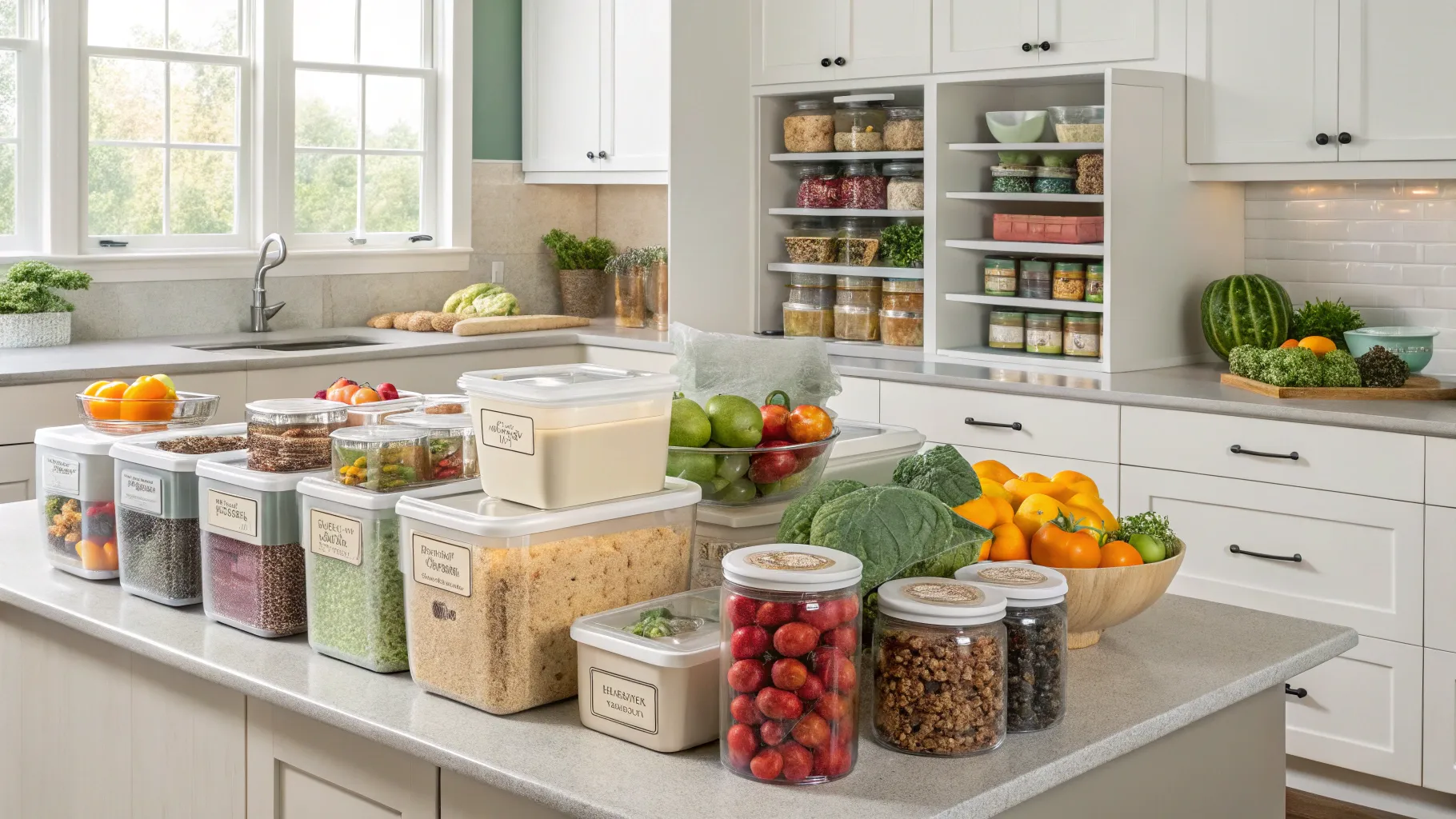
- Plastic Bins for Storage: Organizing your pantry with labeled plastic bins can improve your shopping efficiency. Knowing where everything is can save time while shopping and prevent food waste.
- Educate Yourself About Expiration Dates: Learn the difference between sell-by, use-by, and best-by dates. Many foods are perfectly safe beyond the sell-by date, which means you can save money by consuming them rather than tossing them.
- Use a Budgeting App: There are several budgeting apps specifically designed for grocery shopping. They can help you track your spending, staying within your budget while restocking your pantry.
- Encourage Family Involvement: If you're living with family or nearby relatives, encourage them to participate in shopping and meal preparation. It can create a wonderful bonding time and ensure everyone eats healthily.
- Participate in Community Gardens: Gardening can be a rewarding activity that supplies fresh produce. If you have access to community gardens, consider joining to learn about growing your own food.
- Share Grocery Costs with Neighbors: Partnering with neighbors can lead to bulk buying discounts. You can share items from bulk purchases that are usually more economical.
- Explore Local Farmers Markets: Often, these markets provide fresh produce at reasonable prices. You can build relationships with local farmers while eating healthily.
By uniting these smart grocery shopping tricks for retirees, not only are you ensuring a healthier diet, but you’re also engaging with your community and enriching your retirement experience. Saving money, fostering relationships, and enjoying fantastic meals will be well worth the effort.
As we age, embracing these habits makes grocery shopping less of a chore and more of a fulfilling part of our daily lives. By taking small, consistent steps, you can enhance your health and well-being while enjoying more savings at the grocery store.