10 Key Foods to Help Increase Bone Density
Maintaining strong and healthy bones is a lifelong process, with diet playing a pivotal role. Bone density refers to the amount of bone mineral in bone tissue, and low density can increase the risk of fractures. Incorporating specific nutrients into your meals, such as calcium, vitamin D, and vitamin K, is a fundamental strategy for building and preserving bone mass throughout your life.
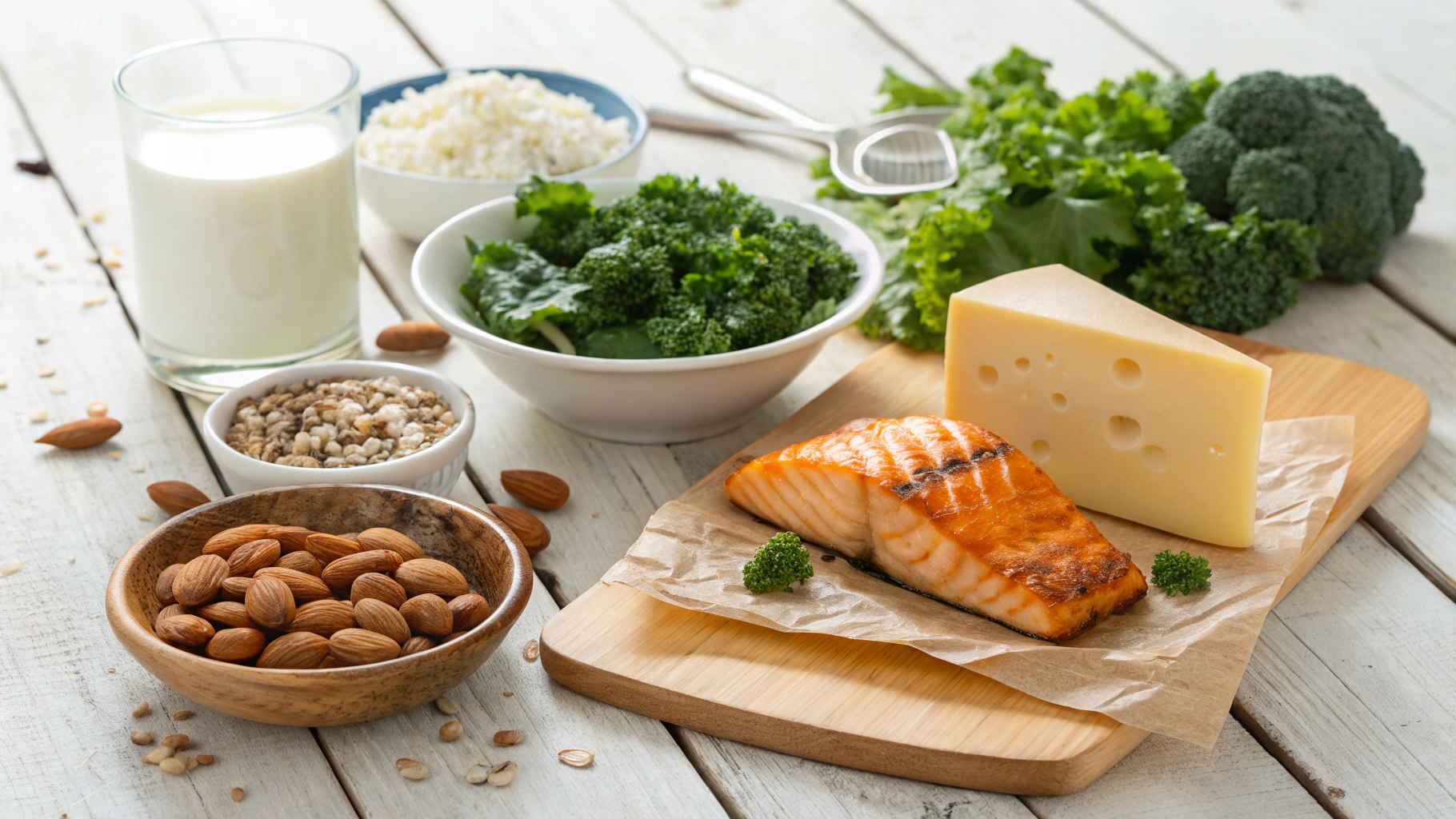
Dairy Products
Milk, yogurt, and cheese are famously rich in calcium, the primary mineral found in your bones. A single serving of dairy can provide a significant portion of the recommended daily intake of calcium, which is essential for the structure and hardness of the skeletal system. The body is constantly remodeling bone, and a steady supply of calcium is needed for this process.
Many dairy products are also fortified with vitamin D, a nutrient that is crucial for calcium absorption. Without enough vitamin D, your body cannot effectively absorb calcium from your diet, making this combination particularly powerful for bone health. When choosing dairy, looking for options with added vitamin D can provide extra support for your skeletal system.
Fatty Fish
Fatty fish like salmon, mackerel, and sardines are among the best natural sources of vitamin D. This vitamin plays a critical role in helping your intestines absorb calcium from the food you eat. Consuming fatty fish a few times a week can help ensure you have adequate levels of vitamin D, which in turn supports the mineralization of your bones.
In addition to vitamin D, these fish are packed with omega-3 fatty acids. While more research is needed, some studies suggest that omega-3s may help protect against bone loss by reducing inflammation and supporting the cells responsible for bone formation. Sardines, especially when eaten with their soft, edible bones, also provide a direct source of calcium.
Leafy Greens
Dark leafy greens are nutritional powerhouses for bone health. Vegetables like collard greens, kale, and spinach are excellent sources of calcium. They also provide a substantial amount of vitamin K, which is vital for bone metabolism. Vitamin K helps bind calcium to the bone matrix, contributing to its overall strength and structure.
Beyond calcium and vitamin K, leafy greens are rich in magnesium. Magnesium is another mineral that plays a key role in converting vitamin D into its active form, which is necessary for calcium absorption. A diet rich in these greens supports multiple pathways involved in maintaining robust bone density.
Fortified Foods
For those who may not consume enough dairy or fatty fish, fortified foods offer a practical alternative for getting essential bone-building nutrients. Many common grocery items, such as breakfast cereals, orange juice, and plant-based milks like soy or almond milk, are fortified with calcium and vitamin D.
Reading labels is key to identifying these products. They can be an easy and effective way to supplement your diet and ensure you are meeting your daily requirements for these vital nutrients. Integrating fortified foods into your regular meals can help bridge any nutritional gaps and support consistent bone health.
Nuts and Seeds
Nuts and seeds are small but mighty when it comes to bone-supporting nutrients. Almonds, for example, are a good source of calcium, magnesium, and protein. Seeds like chia, sesame, and poppy seeds are also packed with calcium. Just a small handful can contribute meaningfully to your daily intake.
Furthermore, walnuts and flaxseeds are rich in omega-3 fatty acids, which may have a protective effect on bone tissue. Many nuts and seeds also contain phosphorus, another key mineral that works alongside calcium to form the main structural component of bones, known as hydroxyapatite.
Beans and Legumes
Beans and legumes are excellent plant-based sources of several nutrients essential for bone density. White beans, black-eyed peas, and soybeans (including tofu and edamame) provide a good amount of calcium, magnesium, and phosphorus. They are a valuable option for individuals following vegetarian or vegan diets.
In addition to their mineral content, beans are a source of protein, which makes up a significant portion of bone mass. Adequate protein intake is necessary to create the collagen framework that minerals then harden. Including beans and legumes in your diet supports both the mineral and protein components of healthy bones.
Prunes
Prunes, or dried plums, have gained attention for their positive effects on bone health. Research suggests that regular consumption of prunes may help prevent and even reverse bone loss, particularly in postmenopausal women. They are rich in vitamin K, potassium, and various antioxidants.
The exact mechanisms are still being studied, but it is believed that the unique combination of nutrients and phenolic compounds in prunes may enhance bone formation and inhibit bone breakdown. Adding a handful of prunes to your daily routine can be a simple and tasty way to support your skeletal system.
Bell Peppers and Broccoli
Vitamin C is essential for the production of collagen, the primary protein in bone. Bell peppers, particularly the red and yellow varieties, are an outstanding source of vitamin C. A diet rich in this vitamin helps ensure the integrity of the bone matrix, providing a strong framework for minerals to attach to.
Broccoli is another vegetable that shines in this regard. Not only is it high in vitamin C, but it also provides a good amount of vitamin K and some calcium. Including these vegetables in your meals supports the foundational protein structure of your bones, making them more resilient.
Eggs
Eggs are a simple and widely available source of high-quality protein, which is fundamental for building strong bones. The egg yolk is also one of the few natural food sources of vitamin D, making it a valuable addition to a bone-healthy diet. While the amount of vitamin D is modest, every bit contributes to your daily needs.
Starting your day with eggs can provide your body with the protein and vitamin D it needs to support bone maintenance and repair. They are a versatile food that can be easily incorporated into various meals, contributing to your overall nutritional intake for skeletal health.
Mushrooms
Mushrooms are unique in that they can produce vitamin D when exposed to sunlight or artificial ultraviolet (UV) light, much like human skin. While most commercially grown mushrooms have low levels of vitamin D, some producers expose them to UV light to significantly boost their content. Look for packages that specify they are high in vitamin D.
For those who rely on plant-based diets, UV-exposed mushrooms can be a valuable source of this crucial vitamin. Including them in your cooking can help you meet your vitamin D requirements, which is essential for facilitating the calcium absorption necessary for strong, dense bones.