10 Foods to Eat with a Cold to Feel Better Faster
Facts:
- Chicken soup can inhibit neutrophil migration, an anti-inflammatory effect.
- A key trend for cold relief is incorporating ginger and turmeric for anti-inflammatory benefits.
Nourishing Your Body: Top Foods to Combat Cold Symptoms
When you're battling a cold, the last thing you might want to think about is food. However, proper nutrition is a critical component of your recovery. Understanding what to eat when you have a cold can make a significant difference in how quickly you bounce back. The right foods provide essential vitamins, minerals, and hydration to support your immune system and alleviate symptoms. This guide delves into the best 10 cold and flu foods, offering a comprehensive look at how they help and why they should be on your sick-day menu. Making smart choices from this list of 10 foods to eat with a cold will arm your body with the fuel it needs to fight off the infection effectively.
The Definitive List of 10 Foods to Eat with a Cold
Navigating illness requires a solid plan, and that includes your diet. Proper understanding 10 foods to eat with a cold is your first step toward a more comfortable recovery. Below are ten powerhouse foods, each chosen for its unique ability to soothe, hydrate, and fortify your body during a cold.
1. Chicken Soup
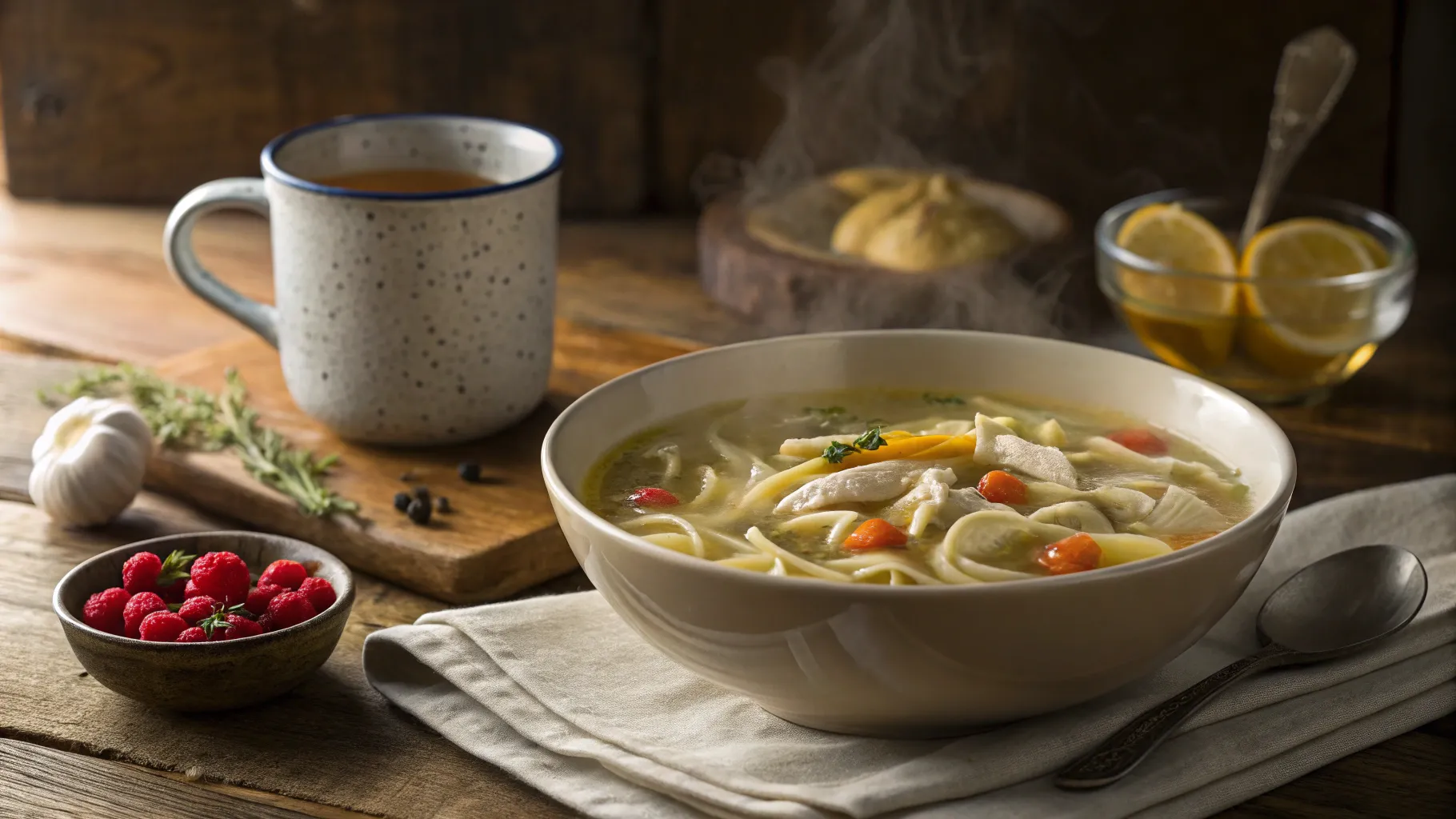
It's not just an old wives' tale; chicken soup is a scientifically backed remedy. The warm broth helps with hydration and can loosen congestion. The steam from the soup can soothe a sore throat and stuffy nose. Furthermore, chicken provides protein, while the vegetables offer a host of vitamins and minerals. It is perhaps the most iconic of the 10 cold and flu foods for a reason, providing both physical and psychological comfort.
2. Garlic
Garlic contains allicin, a compound known for its antimicrobial and immune-boosting properties. Incorporating fresh garlic into your meals, such as soups or broths, can help your body fight off germs. While the flavor is strong, its benefits make it a worthy addition to your list of 10 meals for cold symptoms. Consuming it raw or lightly cooked preserves its potent effects best.
3. Ginger
Ginger is a powerful anti-inflammatory agent that can help soothe a sore throat and reduce nausea, a common side effect of some cold medications. You can add fresh ginger to hot tea, soup, or even just hot water with lemon. Its warming properties make it a comforting choice when you're feeling under the weather and a key part of the 10 foods to eat with a cold.
4. Honey
Honey has natural antibacterial properties and is an effective cough suppressant. A spoonful of honey in warm tea or water with lemon can coat and soothe an irritated throat. It's a simple and effective remedy, particularly for easing a persistent cough that disrupts sleep. Remember not to give honey to infants under one year of age.
5. Citrus Fruits
Oranges, lemons, and grapefruits are packed with Vitamin C, a powerful antioxidant that supports the immune system. While it may not prevent a cold, studies suggest Vitamin C can help reduce the duration and severity of symptoms. Enjoying these fruits or their fresh juice is an easy way to get this vital nutrient when figuring out what to eat when you have a cold.
6. Leafy Greens
Vegetables like spinach, kale, and Swiss chard are nutritional powerhouses, rich in vitamins A, C, E, and K, as well as fiber and antioxidants. These nutrients are essential for a functioning immune system. Blending them into a smoothie or adding them to your chicken soup are easy ways to consume them when your appetite is low.
7. Yogurt
Yogurt containing live cultures (probiotics) can support gut health, which is intrinsically linked to your immune system. A healthy gut microbiome can help your body's defense mechanisms function optimally. Opt for plain yogurt without added sugars to get the most benefit. It’s a gentle and effective food to include in your recovery plan.
8. Oatmeal
Warm, easy-to-eat, and packed with nutrients, oatmeal is an excellent choice. It contains beta-glucan, a type of fiber that can help stimulate the immune system. It also provides calories and nutrients like zinc and selenium. You can boost its healing properties by adding honey, berries, or a dash of ginger.
9. Broth
If solid food is unappealing, a simple bone broth or vegetable broth is perfect. It provides essential hydration and electrolytes like sodium and potassium, which are crucial if you've been sweating from a fever. It’s the foundational element of many effective 10 meals for cold symptoms and is exceptionally easy to digest.
10. Herbal Teas
Warm liquids are key, and herbal teas like peppermint, chamomile, and echinacea offer more than just hydration. Peppermint can help clear congestion, chamomile promotes rest and relaxation, and echinacea is believed to support immune function. Sipping on these throughout the day keeps you hydrated and soothes symptoms.
Hydration vs. Solid Foods: What's Best for a Cold?
When you're sick, your body's needs change. The debate between focusing on liquids or solids often comes down to your specific symptoms. Dehydration is a major risk with a cold, especially if you have a fever. Therefore, liquids like water, broth, and herbal teas are non-negotiable. They help thin mucus and replace lost fluids. However, your body also needs energy and nutrients to fight the infection, which is where digestible solid foods come in. The best approach is a combination. Start with broths and soups, which are cornerstones of the 10 cold and flu foods, and as your appetite returns, gradually reintroduce nutrient-dense, easy-to-digest solids like oatmeal and yogurt. Listening to your body is key; don't force heavy meals if you feel nauseous.
Practical Tips for Preparing Meals When You're Sick
Cooking is the last thing you want to do when you have no energy. Here are some actionable tips to ensure you're still getting the nourishment you need by preparing these 10 meals for cold symptoms with ease.
- Keep it Simple: Focus on meals that require minimal preparation. Scrambled eggs, toast with honey, or a bowl of oatmeal are quick and nutritious.
- Batch Prepare: If you feel a cold coming on, make a large pot of chicken soup or broth that you can reheat in single portions over the next few days.
- Lean on Liquids: Smoothies are an excellent way to pack in nutrients with little effort. Blend leafy greens, citrus fruits, and yogurt for a powerful immune-boosting meal.
- Use a Slow Cooker: A slow cooker can be your best friend. Simply add ingredients for a stew or soup in the morning and let it cook all day with minimal supervision.
- Accept Help: If friends or family offer to bring you food, accept! Ask for simple, comforting dishes like soup or broth from the list of 10 foods to eat with a cold.
Frequently Asked Questions
What are the best 10 cold and flu foods for a sore throat?
For a sore throat, focus on soft and soothing foods. Honey, warm herbal teas, chicken soup, and oatmeal are excellent choices. The warmth helps soothe the irritation, and honey acts as a natural cough suppressant and has antibacterial properties. Avoid rough or acidic foods that might irritate your throat further.
Can understanding 10 foods to eat with a cold really speed up recovery?
Yes, absolutely. While no food is a magic cure, providing your body with the right nutrients and hydration can significantly support your immune system. Foods rich in vitamins (like Vitamin C from citrus) and minerals (like zinc) help your immune cells function properly. Staying hydrated thins mucus and helps flush out toxins, potentially shortening the duration of your illness.
Are there any foods to avoid when considering what to eat when you have a cold?
It's generally wise to avoid foods that can increase inflammation or dehydration. This includes processed foods, sugary drinks and snacks, excessive caffeine, and alcohol. Dairy products can sometimes thicken mucus in certain individuals, so if you notice this effect, it might be best to limit them while you are congested.
References
- Journal of Clinical Nutrition Studies on Vitamin C and Immunity
- National Institutes of Health: Research on Zinc for the Common Cold
- Herbal Medicine: Biomolecular and Clinical Aspects, Chapter on Ginger
- American Journal of Therapeutics: The Effect of Chicken Soup on Infection