10 Foods to Boost Your Brain Health
The connection between diet and health is well-established, and that includes the health of our brain. The foods we eat can have a significant impact on cognitive functions like memory, focus, and overall mental clarity. Incorporating a variety of nutrient-dense foods into your regular meals is a practical strategy for supporting your brain for years to come.
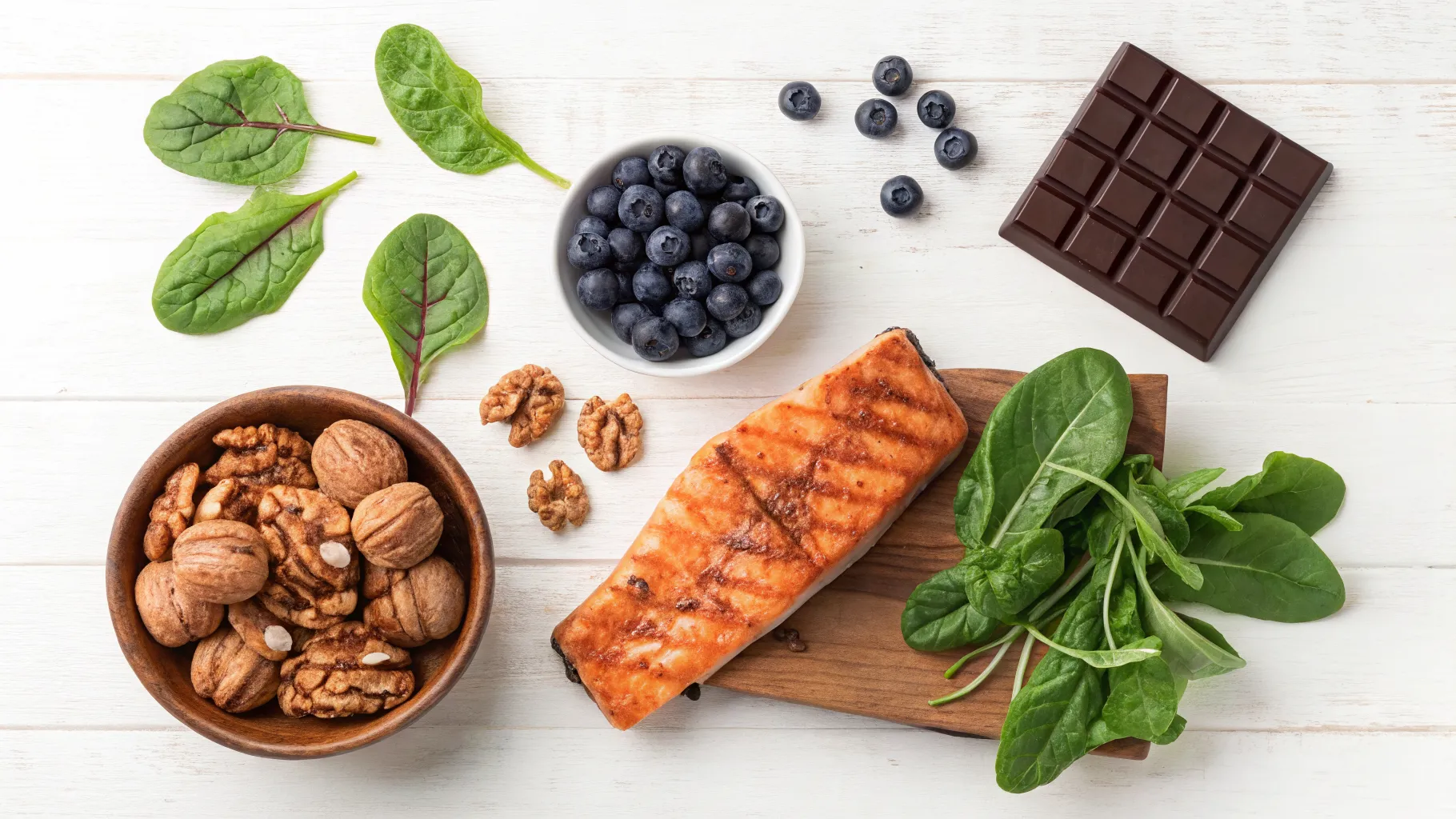
Oily Fish for Omega-3s
When it comes to brain foods, oily fish is often at the top of the list. Varieties like salmon, mackerel, and sardines are rich in omega-3 fatty acids, which are crucial for brain health. About 60% of your brain is made of fat, and half of that fat is the omega-3 type. Your brain uses these fats to build brain and nerve cells, and these fats are essential for learning and memory.
Omega-3s also offer several additional benefits. They can help reduce inflammation and may play a role in protecting against age-related cognitive decline. Aiming for at least two servings of oily fish per week can help ensure you are getting a sufficient amount of these vital nutrients. For those who do not eat fish, plant-based sources like flaxseeds, chia seeds, and walnuts are also beneficial.
Berries Bursting with Antioxidants
Berries are packed with flavonoid antioxidants, which give them their brilliant colors. Research suggests that these compounds can help improve communication between brain cells, reduce inflammation throughout the body, and increase plasticity, which helps brain cells form new connections. This can boost learning and memory and may help delay age-related neurodegenerative diseases.
Blueberries, in particular, are often highlighted for their high concentration of these beneficial compounds. However, other berries like strawberries, blackberries, and raspberries are also excellent choices. They are easy to add to your diet, whether in a morning smoothie, sprinkled over oatmeal, or enjoyed as a simple snack.
The Power of Nuts and Seeds
Nuts and seeds are excellent sources of vitamin E, an antioxidant that helps protect cells from oxidative stress caused by free radicals. As we age, our brains are more exposed to this stress, so getting enough vitamin E through diet is important for supporting cognitive health. Walnuts are especially noteworthy as they also contain a high concentration of omega-3 fatty acids.
Beyond walnuts, other nuts and seeds offer significant brain benefits. For example:
- Pumpkin seeds are rich in zinc, a mineral vital for nerve signaling.
- Sunflower seeds are another excellent source of vitamin E.
- Almonds and hazelnuts are also good sources of this protective vitamin.
Leafy Greens and Cruciferous Vegetables
Greens like spinach and kale are rich in brain-healthy nutrients like vitamin K, lutein, folate, and beta carotene. Vitamin K is involved in forming sphingolipids, a type of fat that's densely packed into brain cells. Some studies have linked higher vitamin K intake to better memory in older adults.
Broccoli, a cruciferous vegetable, is another powerhouse for brain health. It's packed with powerful plant compounds, including antioxidants. It is also very high in vitamin K, delivering more than 100% of the Recommended Daily Intake (RDI) in a single cup serving. Its compounds have anti-inflammatory effects that can protect the brain against damage.
Key Spices and Whole Grains
Turmeric, the golden spice commonly found in curry powder, has generated considerable buzz for its health benefits. Curcumin, the active ingredient in turmeric, is a potent antioxidant and anti-inflammatory compound. It can cross the blood-brain barrier, meaning it can directly enter the brain and benefit the cells there. It's thought to help improve memory and may help clear the amyloid plaques characteristic of certain neurodegenerative conditions.
Whole grains such as oats, barley, and brown rice are another important part of a brain-healthy diet. Your brain relies on a steady supply of energy, primarily in the form of glucose, to function properly. Whole grains have a low glycemic index, meaning they release glucose slowly into the bloodstream, helping you maintain focus and concentration throughout the day.
Don't Forget These Brain-Friendly Treats
Good news for chocolate lovers: dark chocolate contains brain-boosting compounds, including flavonoids, caffeine, and antioxidants. The flavonoids in chocolate gather in the areas of the brain that deal with learning and memory. Researchers suggest these compounds may enhance memory and also help slow down age-related mental decline. For the greatest benefit, choose dark chocolate with 70% or higher cocoa content.
Coffee is another favorite that offers benefits beyond a morning energy boost. The two main components in coffee, caffeine and antioxidants, can help support brain health. Caffeine works by blocking adenosine, a substance that makes you feel sleepy, thus increasing alertness. It has also been shown to improve mood and concentration. Long-term coffee consumption has been linked to a reduced risk of neurological diseases.