Navigating Your Diet: 10 Foods to Avoid with Leaky Heart Valve for Better Health
Fast Facts:
- Heart valve diseases affect millions globally.
- Dietary changes significantly impact heart valve health nutrition.
Understanding the Impact of Diet on Leaky Heart Valves
For individuals managing a leaky heart valve, dietary choices play a pivotal role in overall cardiovascular well-being. Focusing on a regimen that limits certain trigger foods can alleviate symptoms and support the heart's function. This guide delves into the specific 10 foods to avoid with leaky heart valve, providing essential insights for managing your condition effectively and enhancing your heart friendly eating habits.
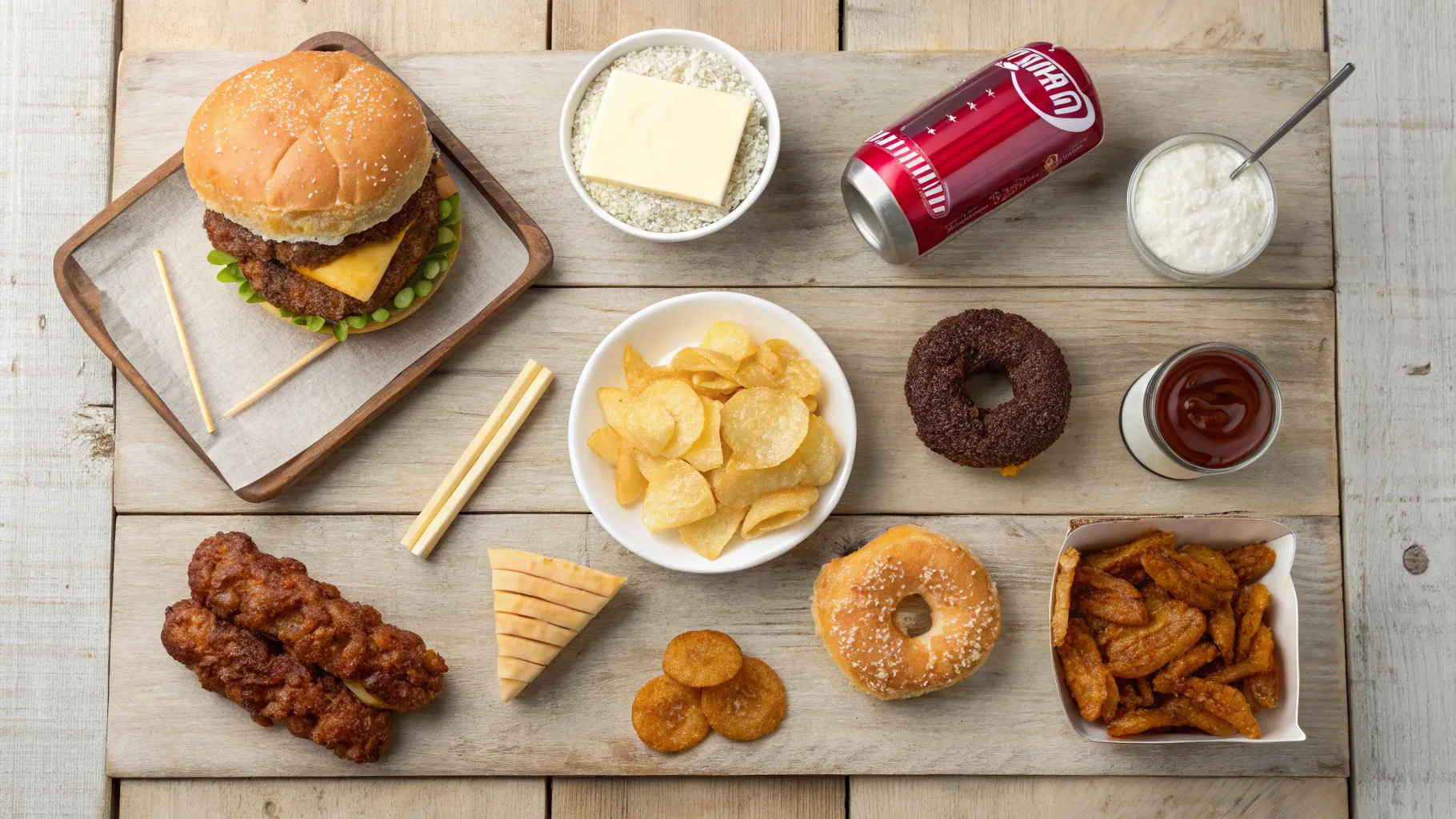
Prioritizing Your Plate: The Top 10 Foods to Avoid with Leaky Heart Valve
Adopting specific dietary restrictions is crucial for those navigating a leaky heart valve. Understanding the impact of certain foods can help you make informed choices that contribute positively to your heart valve health nutrition. Here are the 10 foods to avoid with leaky heart valve to protect your cardiovascular system:
1. High-Sodium Processed Foods
Processed foods like canned soups, frozen dinners, and deli meats are notorious for their high sodium content. Sodium causes the body to retain fluid, increasing blood volume and placing extra strain on the heart, which is particularly detrimental for someone with a leaky heart valve. Reducing sodium intake is a cornerstone of leaky heart valve diet discussions with healthcare professionals, emphasizing fresh, whole ingredients over packaged options.
2. Saturated and Trans Fats
Found in fatty cuts of meat, full-fat dairy, and many fried and baked goods, saturated and trans fats contribute to atherosclerosis, or the hardening and narrowing of arteries. This condition can exacerbate existing heart issues and further compromise heart valve health nutrition. Choosing lean proteins, healthy unsaturated fats, and avoiding hydrogenated oils are critical steps in adopting heart friendly eating habits.
3. Excessive Caffeine
While moderate caffeine intake might be fine for some, excessive amounts can stimulate the heart, leading to palpitations or an irregular heartbeat. For someone with a leaky heart valve, this extra workload can be problematic. Monitoring your caffeine consumption from coffee, energy drinks, and certain teas is a key part of managing your diet. This often comes up in leaky heart valve diet discussions as a common concern.
4. Sugary Drinks and Refined Sugars
Sodas, fruit juices with added sugar, and desserts contribute to inflammation and weight gain, both of which can negatively impact heart health. Excess sugar can also lead to insulin resistance and type 2 diabetes, further complicating cardiovascular management. Limiting these items is vital for those seeking optimal heart valve health nutrition and avoiding foods linked to heart health decline.
5. Alcohol in Excess
Heavy alcohol consumption can weaken the heart muscle (cardiomyopathy) and elevate blood pressure, putting more stress on a compromised heart valve. While some studies suggest moderate alcohol consumption might have benefits for healthy individuals, those with heart valve conditions should exercise extreme caution and discuss any alcohol intake with their doctor. This is an important consideration in leaky heart valve diet discussions.
6. Red Meat (High in Cholesterol and Saturated Fat)
While a source of protein and iron, red meat, particularly processed varieties, can be high in saturated fat and cholesterol. Regular consumption can raise LDL (bad) cholesterol levels, contributing to plaque buildup in arteries. This directly affects the heart's ability to pump efficiently, making it one of the crucial 10 foods to avoid with leaky heart valve. Opt for lean poultry, fish, or plant-based proteins instead.
7. Energy Drinks
Beyond caffeine, energy drinks often contain a cocktail of stimulants and sugars that can lead to rapid heart rate, increased blood pressure, and potential arrhythmias. These effects can be particularly dangerous for someone with a leaky heart valve, putting undue stress on an already vulnerable system. Avoiding these entirely is a wise choice for anyone focused on heart valve health nutrition.
8. Deep-Fried Foods
Deep-fried items like french fries, fried chicken, and donuts are typically high in unhealthy fats and calories. They contribute to weight gain, high cholesterol, and inflammation, all factors that can worsen the condition of a leaky heart valve and strain the entire cardiovascular system. Prioritizing baked, grilled, or steamed preparations is a vital component of heart friendly eating habits.
9. Processed Baked Goods and Pastries
Often laden with trans fats, saturated fats, and refined sugars, processed baked goods offer little nutritional value and pose significant risks to heart health. Cookies, cakes, and pastries can contribute to weight gain, inflammation, and elevated cholesterol, making them high on the list of foods linked to heart health decline and consequently, among the 10 foods to avoid with leaky heart valve.
10. Canned and Preserved Soups
Even if labeled as 'healthy,' many canned and preserved soups contain alarmingly high levels of sodium, designed for flavor and preservation. This high sodium content can lead to fluid retention and increased blood pressure, which is particularly detrimental for individuals with a leaky heart valve. Always check nutrition labels or opt for homemade, low-sodium alternatives to safeguard your heart valve health nutrition.
Strategies for Heart Friendly Eating Habits
Beyond knowing the 10 foods to avoid with leaky heart valve, adopting proactive strategies for a heart-healthy diet can make a significant difference. Engage in leaky heart valve diet discussions with a registered dietitian to tailor a plan that fits your specific needs. Focus on whole, unprocessed foods, abundant in fruits, vegetables, whole grains, and lean proteins. Portion control and regular meal planning are also key components to maintaining stable blood pressure and weight, thereby reducing strain on your heart valves.
Actionable Advice for Managing Your Diet
Implementing dietary changes for a leaky heart valve requires commitment and consistency. Here’s some actionable advice to guide your journey towards better heart valve health nutrition:
- Read Food Labels Diligently: Always check for sodium, saturated fat, trans fat, and added sugar content. Opt for low-sodium, low-fat versions of products.
- Cook at Home More Often: Preparing meals from scratch gives you full control over ingredients, allowing you to avoid the foods linked to heart health issues.
- Hydrate with Water: Replace sugary drinks and excessive caffeine with plain water. It’s essential for overall health and doesn't add strain to your heart.
- Consult a Dietitian: A professional can provide personalized advice on your leaky heart valve diet discussions, helping you navigate complex choices and ensure adequate nutrient intake.
- Monitor Your Symptoms: Pay attention to how different foods affect you. Keep a food diary to identify personal triggers that might not be on the general list of 10 foods to avoid with leaky heart valve.
Frequently Asked Questions
What are the primary dietary goals for someone with a leaky heart valve?
The primary dietary goals are to reduce sodium intake to prevent fluid retention, limit unhealthy fats to lower cholesterol, control sugar intake to manage weight and inflammation, and avoid stimulants that can increase heart rate. All these measures aim to lessen the workload on the heart and improve heart valve health nutrition.
Can certain foods actually improve heart valve function?
While no food can repair a leaky heart valve, a diet rich in fruits, vegetables, whole grains, and lean proteins can significantly support overall cardiovascular health, reduce symptoms, and prevent further deterioration. These heart friendly eating habits provide essential nutrients and antioxidants.
How can I find healthy alternatives to the 10 foods to avoid with leaky heart valve?
Instead of high-sodium processed foods, choose fresh produce. Replace red meat with fish, poultry, or legumes. Opt for water or unsweetened tea instead of sugary drinks. Look for whole-grain versions of baked goods, or make your own with less sugar and healthier fats. This is crucial for successful leaky heart valve diet discussions.
Is it necessary to completely eliminate all 10 foods to avoid with leaky heart valve?
While complete elimination is ideal for optimal heart valve health nutrition, the degree of restriction may vary based on the severity of your condition and your doctor's recommendations. It's crucial to have leaky heart valve diet discussions with your healthcare provider or a dietitian to create a personalized plan.
References
- American Heart Association. Dietary Guidelines.
- National Heart, Lung, and Blood Institute. Heart-Healthy Eating.
- Mayo Clinic. Heart Valve Disease: Lifestyle and Home Remedies.
- Journal of Clinical Cardiology. Nutritional Strategies in Valvular Heart Disease.
- World Health Organization. Diet and Physical Activity for Cardiovascular Health.