10 Foods to Avoid With Kidney Disease for a Healthy Renal Diet
Facts:
- Chronic kidney disease affects over 37 million US adults.
- Following dietary guidelines is critical for those with renal diet restrictions.
Navigating Your Diet: Critical Foods to Exclude for Kidney Health
Managing chronic kidney disease (CKD) requires careful attention to your diet to prevent further damage and manage symptoms. The kidneys play a vital role in filtering waste and excess fluid from the blood, but when their function is impaired, certain minerals like sodium, potassium, and phosphorus can build up to dangerous levels. Understanding what not to eat kidney disease is the first step toward protecting your health. A well-managed renal diet can help control blood pressure, reduce the burden on your kidneys, and slow the progression of the disease. This guide focuses on the specific kidney diet avoid foods to help you make informed choices for your daily meals.
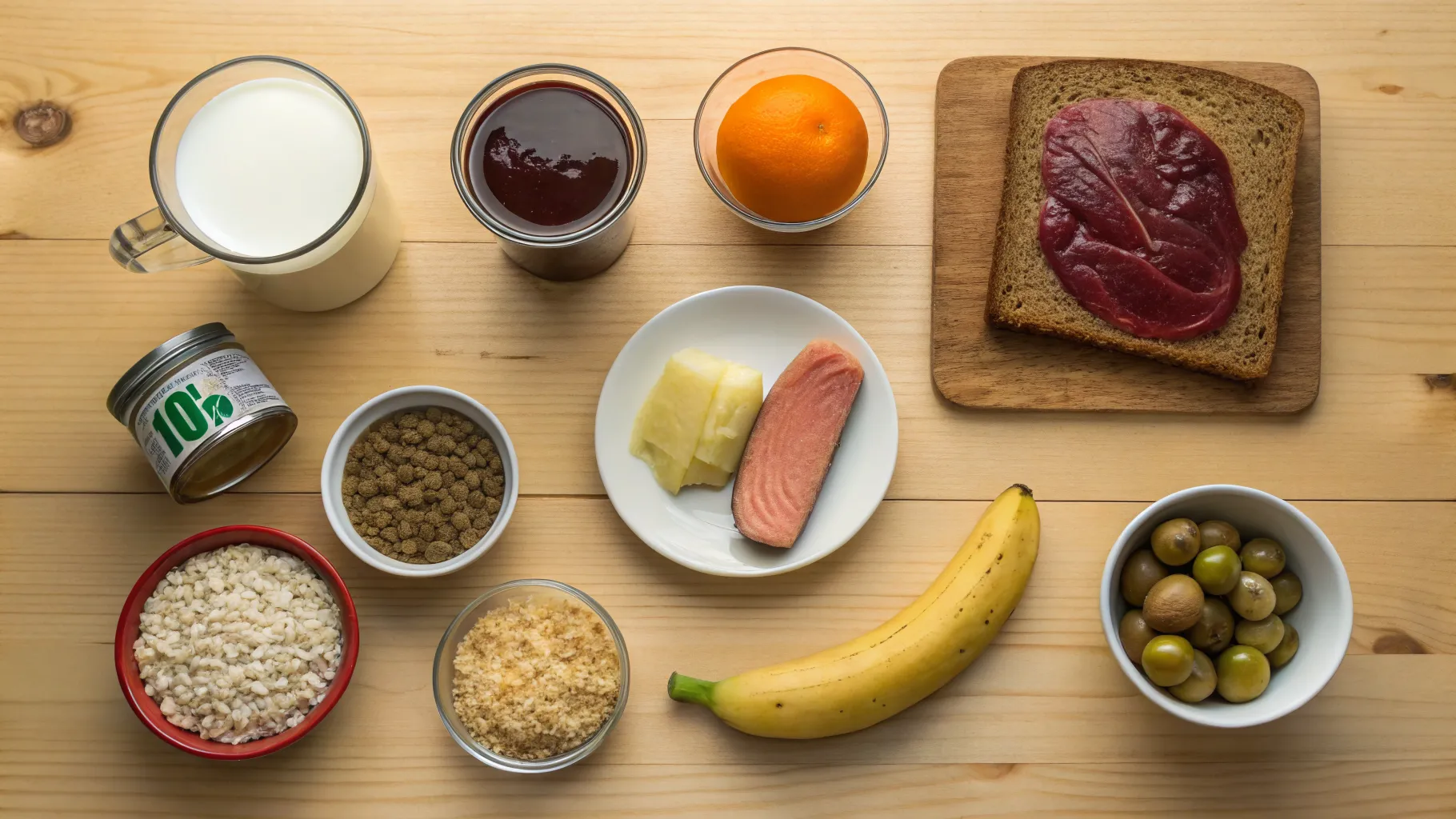
The Definitive 10 Foods to Avoid With Kidney Disease
When you have kidney disease, your body cannot effectively remove waste products and excess minerals. Therefore, adhering to a list of the 10 foods to avoid kidney disease is not just a suggestion but a crucial part of your treatment plan. This list is designed to help you limit your intake of sodium, potassium, and phosphorus, the three main culprits that can accumulate and cause serious health complications, including heart disease. Let's delve into each food item and understand why it poses a risk.
1. Dark-Colored Sodas
Dark-colored colas and sodas are high in phosphorus additives. Unlike naturally occurring phosphorus in food, the phosphorus in these beverages is in the form of phosphoric acid, which is highly absorbable by the body. This can quickly raise phosphorus levels in your blood, pulling calcium from your bones and making them weak. Always check labels for 'phos' in the ingredients.
2. Avocados
While avocados are known for their healthy fats, they are exceptionally high in potassium. A single avocado can contain a significant portion of the daily recommended potassium limit for someone on a strict renal diet. High potassium levels, or hyperkalemia, can be dangerous and cause heart problems. This is a key item on the kidney disease food list to avoid.
3. Canned Foods
Canned soups, vegetables, and beans are notorious for their high sodium content, which is used as a preservative. Excess sodium makes you thirsty and leads to fluid retention, which can increase blood pressure and put a strain on your already compromised kidneys. Look for 'no salt added' versions or rinse canned goods thoroughly to reduce sodium.
4. Whole Wheat Bread
Although generally considered healthier, whole wheat bread is higher in phosphorus and potassium than white bread. For individuals managing CKD, this can be problematic. A key part of managing renal diet restrictions is making swaps like choosing white bread, sourdough, or unenriched rice milk over whole-grain alternatives.
5. Brown Rice
Similar to whole wheat bread, brown rice contains more potassium and phosphorus than its white counterpart. While it offers more fiber, the mineral content makes it a less suitable choice for many kidney patients. White rice, bulgur, and couscous are often recommended as safer alternatives.
6. Dairy Products
Dairy products like milk, cheese, and yogurt are a concentrated source of phosphorus, potassium, and protein. While protein is essential, too much can be hard for damaged kidneys to process. Limiting dairy intake is a common recommendation when determining what not to eat kidney disease.
7. Oranges and Orange Juice
Oranges are famous for their vitamin C content, but they are also packed with potassium. One large orange or a glass of orange juice can contribute a significant amount of potassium to your daily total, making it one of the top kidney diet avoid foods. Apples, cranberries, and grapes are lower-potassium fruit choices.
8. Processed Meats
Bacon, sausage, hot dogs, and deli meats are loaded with sodium and phosphorus preservatives to enhance flavor and extend shelf life. These additives can be extremely taxing on the kidneys. Opting for fresh, lean cuts of meat and poultry is a much safer bet for your renal diet.
9. Potatoes and Sweet Potatoes
Both white and sweet potatoes are very high in potassium. While a process called leaching (soaking or boiling them) can reduce their potassium content, it doesn't eliminate it completely. It's often safer to limit them and choose lower-potassium vegetables like cauliflower, cabbage, or peppers instead.
10. Tomatoes and Tomato Products
Tomatoes, especially in concentrated forms like sauce, paste, and juice, are another major source of potassium. A single cup of tomato sauce can contain over 900 mg of potassium. This makes it a crucial food to limit or avoid on a renal diet.
Understanding Key Nutrient Restrictions
Successfully managing kidney disease through diet hinges on understanding why certain nutrients must be limited. The core of renal diet restrictions revolves around sodium, potassium, and phosphorus. Sodium can lead to high blood pressure and fluid retention, worsening kidney function. Potassium is crucial for nerve and muscle function, but high levels (hyperkalemia) can cause life-threatening heart rhythm problems. Phosphorus, when elevated, can weaken bones and contribute to cardiovascular disease. The entire kidney disease food list of what to avoid is built around minimizing these three minerals. Working with a dietitian to understand your specific limits is essential, as needs vary based on the stage of kidney disease and other health factors.
Actionable Advice for a Kidney-Friendly Kitchen
Adhering to a list of 10 foods to avoid kidney disease can feel overwhelming, but with a few practical changes, you can create a safe and delicious eating plan. Here are some actionable tips:
- Read Food Labels Diligently: Make it a habit to check labels for sodium, potassium, and phosphorus. Be wary of ingredients that include the letters 'phos', as this indicates added phosphorus.
- Choose Fresh Foods: Prioritize fresh fruits, vegetables, and lean proteins over canned or processed versions. This gives you complete control over the sodium and additives in your food.
- Cook at Home: Restaurant meals and take-out are often high in sodium. Cooking at home allows you to use kidney-friendly herbs and spices for flavor instead of salt.
- Embrace Kidney-Friendly Swaps: Replace high-potassium foods like potatoes with cauliflower mash. Use red bell pepper sauce instead of tomato sauce. Small changes make a big difference in managing your mineral intake.
Frequently Asked Questions
Can I ever eat the foods on the 10 foods to avoid kidney disease list?
Your specific dietary restrictions depend on your stage of kidney disease and your lab results. Some individuals may be able to have small amounts of these foods occasionally. It is absolutely crucial to consult with your nephrologist or a renal dietitian to create a personalized plan.
What is the most important mineral to limit on a renal diet?
This varies from person to person. For some, sodium is the primary concern due to high blood pressure, while for others, controlling potassium or phosphorus is more critical. Your doctor will advise you based on your blood work. Following the guidelines for what not to eat kidney disease helps manage all three.
Are there any fruits and vegetables that are always safe?
While many fruits and vegetables are healthy, their potassium content varies widely. Lower-potassium choices generally include apples, berries, grapes, cabbage, and green beans. However, portion control is always key when navigating renal diet restrictions.
References
- National Kidney Foundation: Nutrition and Early Kidney Disease.
- American Kidney Fund: The Renal Diet.
- Clinical Journal of the American Society of Nephrology: Dietary Phosphorus and the Kidney.
- Guidelines from the Academy of Nutrition and Dietetics on Medical Nutrition Therapy for CKD.