10 Foods to Avoid with Kidney Disease: A Complete Nutrition Guide
Facts:
- Kidney disease affects over 37 million adults in the US alone.
- Dietary management is a critical component for patients.
Navigating Your Diet: Essential Foods to Exclude for Kidney Health
Managing chronic kidney disease (CKD) requires careful attention to your diet. The food you eat directly impacts your kidney function, and making informed choices is paramount to slowing disease progression and maintaining overall health. This comprehensive kidney disease nutrition guide is designed to clarify the often confusing landscape of dietary restrictions. Understanding what not to eat kidney problems can empower you to take control of your well-being. Following the right plan helps manage levels of minerals like sodium, potassium, and phosphorus, which damaged kidneys can no longer filter effectively. This list covers the top 10 foods to avoid kidney disease and provides the crucial information you need.
The Top 10 Foods to Avoid with Kidney Disease
When your kidneys are compromised, they struggle to filter waste products and excess nutrients from your blood. This makes it essential to limit certain foods. The following list details the most common culprits that should be limited or avoided. This is a core part of the kidney friendly diet foods avoid list recommended by nephrologists and dietitians.
1. Dark-Colored Sodas
Many dark-colored sodas, such as colas, contain phosphorus in the form of phosphoric acid, which is used to enhance flavor and prevent spoilage. Unlike naturally occurring phosphorus, the phosphorus additive in sodas is highly absorbable by the body. For individuals with kidney disease, excess phosphorus can pull calcium from the bones, making them weak and brittle. It's a critical item on any list of what not to eat kidney problems.
2. Avocados
While avocados are praised for their healthy fats, they are also exceptionally high in potassium. A single avocado can contain a significant portion of the daily recommended potassium for a person on a renal diet. High potassium levels (hyperkalemia) can be dangerous for those with CKD, potentially causing heart rhythm problems. This is a surprising item for many but a key part of kidney diet restrictions foods.
3. Canned Foods
Canned goods like soups, vegetables, and beans are often loaded with sodium, which is used as a preservative. High sodium intake can increase thirst, lead to fluid retention, and raise blood pressure, putting additional strain on already weakened kidneys. When considering kidney friendly diet foods avoid canned products or look for 'no salt added' versions and rinse them thoroughly.
4. Whole Wheat Bread
Although typically considered a healthy choice, whole wheat bread has higher levels of phosphorus and potassium than white bread. For individuals managing CKD, this difference is significant. Each slice contributes to the daily mineral load that the kidneys must process, making it a staple to reconsider in your kidney disease nutrition guide.
5. Brown Rice
Similar to whole wheat bread, brown rice is another whole grain that contains higher amounts of potassium and phosphorus compared to its white counterpart. While it offers more fiber, the mineral content makes it less suitable for a strict renal diet. Limiting or avoiding it is often recommended as part of managing the 10 foods to avoid kidney disease.
6. Bananas
Bananas are famously rich in potassium. One medium banana contains over 400 mg of potassium, which is a substantial amount for someone on a potassium-restricted diet. This makes them a fruit to consume with extreme caution or avoid altogether when following strict kidney diet restrictions foods.
7. Dairy Products
Dairy products, including milk, yogurt, and cheese, are a primary source of phosphorus and potassium. The high phosphorus content can contribute to mineral and bone disorders in people with advanced kidney disease. There are many renal-friendly dairy alternatives available, such as rice milk or almond milk, that are lower in these minerals.
8. Oranges and Orange Juice
Oranges and their juice are well-known for being high in potassium. A single large orange or a cup of orange juice can significantly impact potassium levels. Apples, grapes, and cranberries are often recommended as lower-potassium fruit alternatives within a kidney disease nutrition guide.
9. Processed Meats
Processed meats such as bacon, sausage, hot dogs, and deli meats are preserved with high amounts of sodium and often contain phosphorus additives. These are some of the most important foods to avoid with kidney disease due to their combination of high salt and preservatives that tax the kidneys.
10. Pickles, Olives, and Relish
These cured or pickled foods are extremely high in sodium. The curing process involves large amounts of salt to preserve them and enhance flavor. Even a small serving can consume a large portion of a person's daily sodium allowance, making them a food item to strictly avoid.
Why These Nutrients Matter in Kidney Disease
Understanding the 'why' behind these dietary changes is crucial for adherence. The main culprits in a renal diet are sodium, potassium, and phosphorus. Healthy kidneys balance these minerals, but when function declines, they can build up to dangerous levels. High sodium leads to high blood pressure and fluid retention, swelling, and shortness of breath. Excess potassium can interfere with heart function. High phosphorus leaches calcium from bones, leading to weakness and cardiovascular issues. Adhering to the list of what not to eat kidney problems helps prevent these serious complications and is a cornerstone of managing the disease effectively. A good kidney disease nutrition guide will always focus on these three key minerals.
Building Your Kidney-Friendly Shopping List
Navigating the grocery store can be challenging, but focusing on what you *can* eat makes it easier. Here are some practical tips for creating a kidney-friendly shopping list that avoids problematic foods:
- Read Nutrition Labels: Always check labels for sodium, potassium, and phosphorus content. Look for foods labeled 'low sodium' or 'no salt added'. Be wary of phosphorus additives like 'phos' in the ingredient list.
- Choose Fresh Over Processed: Opt for fresh fruits, vegetables, and lean proteins. Fresh foods give you complete control over how much salt and seasoning is added during cooking. This helps you manage your list of kidney friendly diet foods avoid.
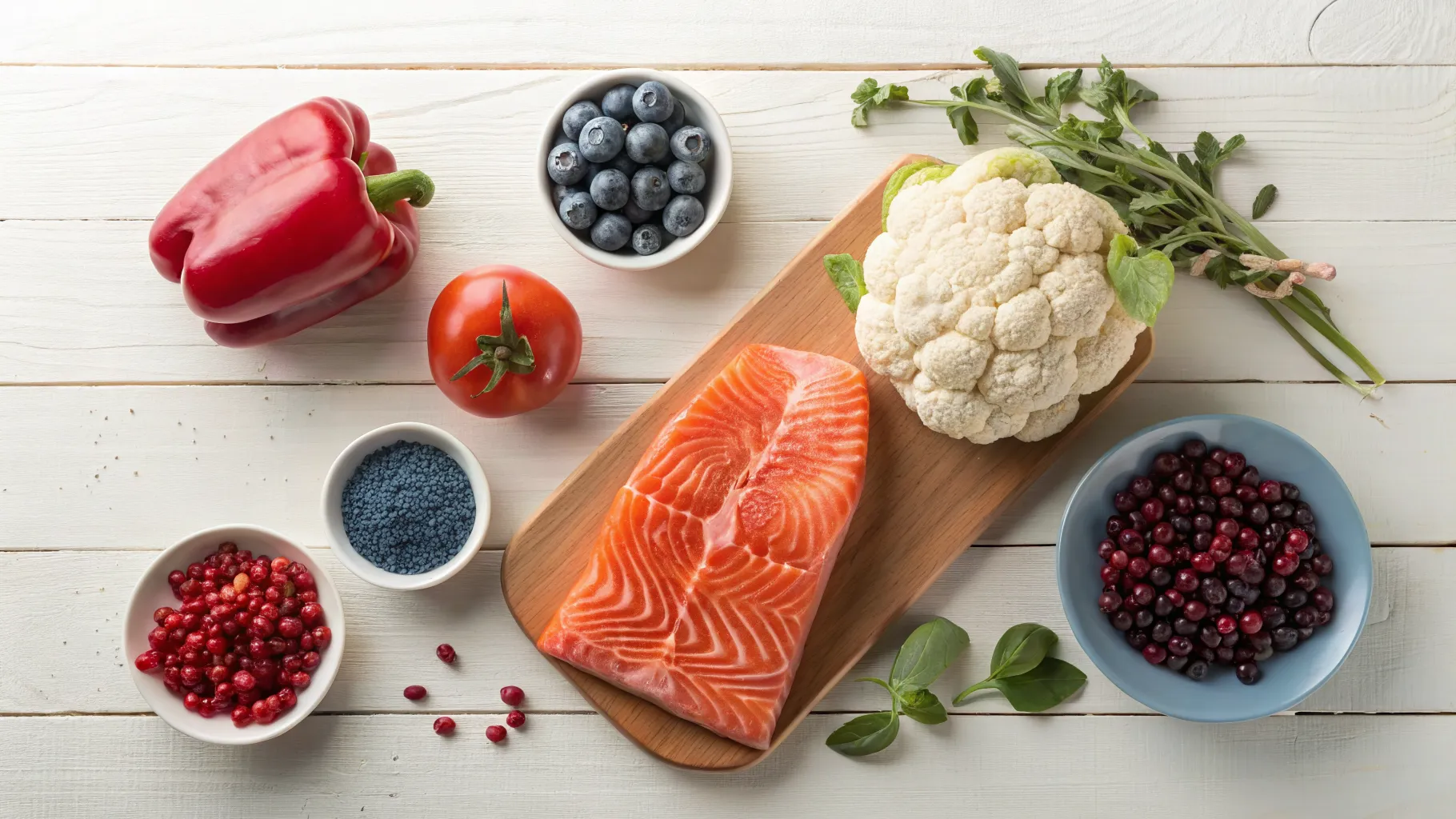
- Select Lower-Potassium Produce: Instead of bananas and oranges, choose apples, berries, grapes, and cauliflower. These provide essential vitamins without overloading your system with potassium.
- Swap Grains Wisely: Replace brown rice and whole wheat bread with white rice, white bread, and refined pasta. While typically less nutritious, they are safer choices for a renal diet due to lower mineral content.
- Consult a Renal Dietitian: Working with a professional is the best way to create a personalized meal plan. They can provide a tailored list of kidney diet restrictions foods and ensure you get adequate nutrition while protecting your kidneys.
Frequently Asked Questions
What is the most important part of a kidney disease nutrition guide?
The most critical part is managing the intake of three key minerals: sodium, potassium, and phosphorus. Limiting these nutrients reduces the workload on your kidneys, helps manage symptoms like swelling and high blood pressure, and can slow the progression of the disease. Fluid intake is also often restricted in later stages.
Can I ever eat the 10 foods to avoid kidney disease?
It depends on the stage of your kidney disease and your specific lab results. Some individuals in early stages may be able to have small amounts of these foods occasionally. However, it is crucial to consult with your nephrologist or a renal dietitian before reintroducing any of these items into your diet. They can provide personalized guidance based on your health status.
What are some safe alternatives to these kidney diet restrictions foods?
There are many great alternatives. For example, instead of high-potassium bananas, try apples or strawberries. Instead of salt, use herbs, spices, and salt-free seasoning blends. Rice milk or unenriched almond milk can replace dairy. For protein, focus on fresh, un-processed sources like chicken breast or fish, prepared without added salt.
References
- National Kidney Foundation Guidelines
- American Journal of Kidney Diseases
- Clinical Practice Guidelines for Chronic Kidney Disease
- The Renal Dietitian's Guide to Nutrition