10 Foods to Avoid With Kidney Disease for Better Health
Fast Facts:
- Key Minerals: Managing sodium, potassium, and phosphorus is crucial.
- Dietary Trend: More patients are using apps to track mineral intake for better kidney health.
Navigating Your Diet: Essential Foods to Limit for Kidney Health
Managing chronic kidney disease (CKD) heavily relies on dietary adjustments. The goal is to limit waste buildup in your blood, and understanding the right **renal diet restrictions** is the first step. Your kidneys work hard to filter waste and excess fluids, but when their function is compromised, certain foods can increase their workload and lead to complications. This guide outlines the top **10 foods to avoid kidney disease** progression and helps you build a safer, healthier eating plan. Knowing which foods to limit can significantly impact your well-being and slow down the disease's advancement.
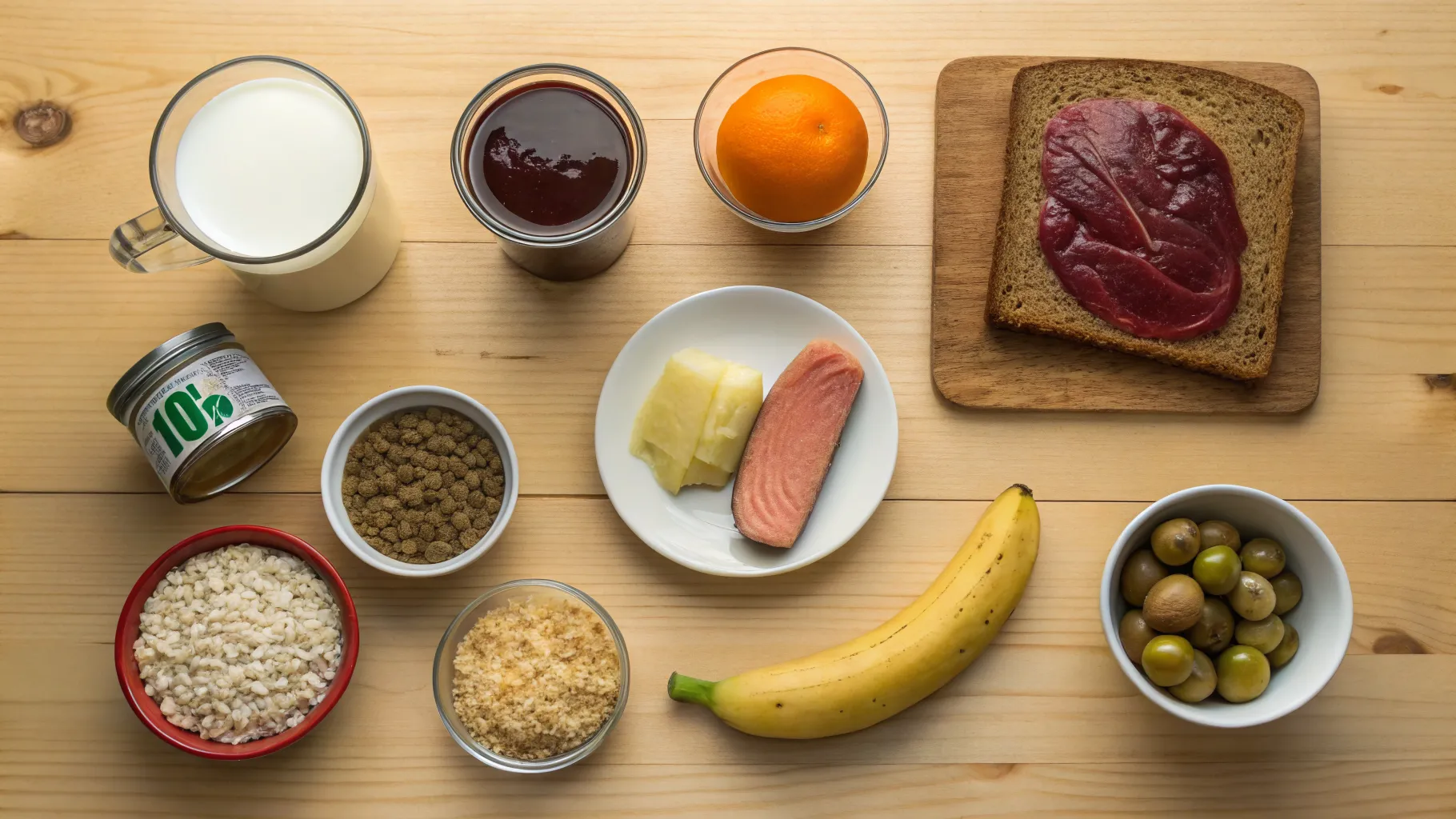
The Top 10 Foods to Monitor on a Renal Diet
Creating a kidney-friendly shopping list means knowing not just what to eat, but more importantly, **what not to eat kidney disease** patients should be aware of. The following items are typically high in sodium, potassium, or phosphorus—three minerals that need strict monitoring. This **kidney disease food list** of items to avoid is a foundational tool for your health.
1. Dark-Colored Sodas
Unlike clear sodas, dark colas contain phosphorus additives for flavor and preservation. This type of phosphorus is highly absorbable by the body and can strain compromised kidneys, leading to bone and heart issues.
2. Avocados
While celebrated as a superfood, avocados are extremely rich in potassium. A single avocado can contain a significant portion of the daily recommended potassium for a renal patient, making it a fruit to avoid or consume in very small, controlled portions.
3. Canned Foods
Canned soups, vegetables, and beans are notorious for their high sodium content, which is used as a preservative. High sodium intake can increase thirst, raise blood pressure, and cause fluid retention, adding stress to your kidneys.
4. Whole Wheat Bread
Surprisingly, whole wheat bread contains more phosphorus and potassium than white bread. While it's generally healthier for most people, those on a renal diet should opt for white or sourdough bread instead.
5. Brown Rice
Similar to whole wheat bread, brown rice is higher in potassium and phosphorus than its white counterpart. White rice is a more suitable grain choice for individuals managing kidney disease.
6. Processed Meats
Bacon, sausage, hot dogs, and deli meats are loaded with sodium and preservatives, including phosphorus additives. These are some of the most important **kidney diet avoid foods** due to their high mineral and preservative content.
7. Bananas
Bananas are another potassium powerhouse. One medium banana contains over 400 mg of potassium, which can be dangerous for individuals who need to strictly limit their intake. Apples or berries are safer alternatives.
8. Dairy Products
Milk, yogurt, and cheese are significant sources of phosphorus and potassium. The high phosphorus content in dairy can pull calcium from your bones, making them weak. Renal-specific milk substitutes are often recommended.
9. Oranges and Orange Juice
Oranges are well-known for their vitamin C content but are also very high in potassium. Both the fruit and its juice should be limited. Grapes, cranberries, or apples and their juices are better options.
10. Pickled Foods
Pickles, olives, and relish are preserved through a curing process that involves large amounts of salt. The resulting high sodium content makes them unsuitable for a kidney-friendly diet.
Smarter Swaps for a Kidney-Friendly Kitchen
Adopting a renal diet doesn't have to be about deprivation. It's about making smart, informed choices. Here are some actionable tips to help you navigate your meals:
- Choose fresh or frozen vegetables over canned versions to control sodium intake.
- Opt for white bread, rice, and pasta instead of whole-grain varieties.
- Flavor your food with herbs and spices instead of salt.
- Read food labels carefully to check for sodium, potassium, and phosphorus content.
- Drink clear sodas or water instead of dark-colored colas.
Frequently Asked Questions
Can I ever eat high-potassium foods like bananas or avocados?
It depends on your specific lab results and your dietitian's advice. Some patients may be able to include very small portions occasionally, but it requires careful monitoring.
Is salt the only thing I need to worry about?
No. While sodium is a major concern for blood pressure and fluid retention, managing phosphorus and potassium is equally critical for preventing bone disease and heart complications in CKD patients.
Are all fruit juices bad for kidney disease?
Not all of them. Juices from lower-potassium fruits like apple, grape, or cranberry are generally safer choices than high-potassium options like orange or prune juice.
References
- National Kidney Foundation: Nutrition and Early Kidney Disease
- American Association of Kidney Patients: The Renal Diet
- Journal of Renal Nutrition: Phosphorus and the Kidney Patient