10 Foods to Avoid When Pregnant for Your Health and Safety
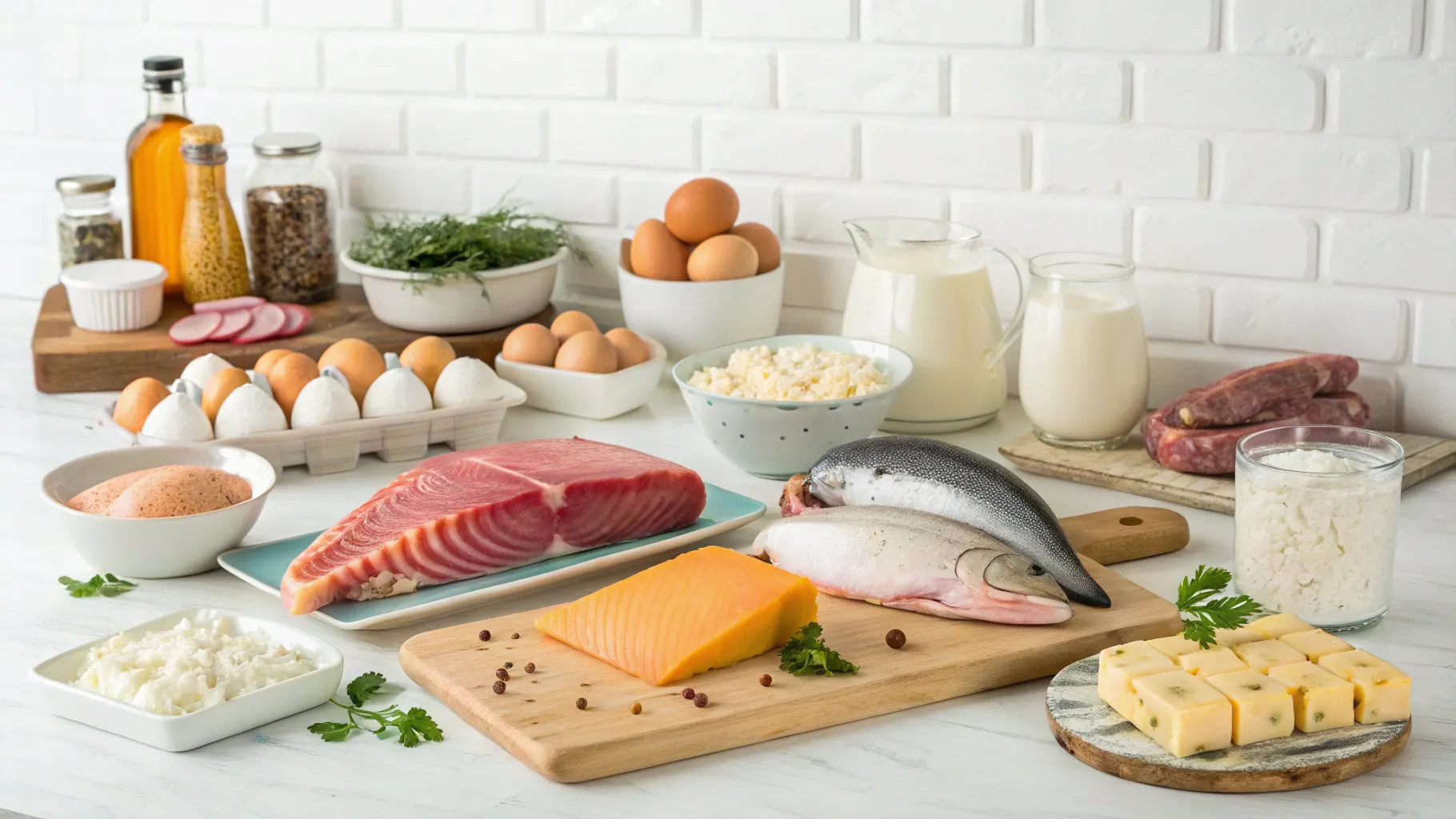
10 Foods to Avoid When Pregnant for Optimal Health
Embarking on the journey of pregnancy is an exciting time in a woman’s life, brimming with joy and anticipation. Yet, it also comes with a set of dietary do’s and don’ts designed to protect both mother and baby. In 2025, as healthcare professionals continue to advise on prenatal nutrition, it's essential to know which foods to steer clear of. Below, we delve into 10 foods to avoid during pregnancy and the reasons behind these recommendations.
Navigating Food Safety During Pregnancy
Maintaining a nourishing diet is crucial for a healthy pregnancy. Below are items you should include in your list of foods not to eat while pregnant to ensure the safety of you and your developing baby:
- Raw or Undercooked Seafood: Dishes like sushi may harbor parasites and harmful bacteria. A recent study from mid-2025 highlighted that even minimal consumption of contaminated seafood could lead to severe complications, including foodborne illnesses that could impact pregnancy outcomes.
- Soft Cheeses: Cheeses such as feta, brie, and blue cheese carry a risk of Listeria contamination. This bacterium poses serious risks, including miscarriage and severe health issues for newborns. It is safer to opt for hard cheeses made from pasteurized milk, which eliminates these risks.
- Raw Eggs: Incorporating raw or lightly cooked eggs into your meals increases your risk of salmonella infection. Items like homemade mayonnaise should be avoided, while properly cooking eggs until both whites and yolks are firm can greatly reduce this risk.
- Unpasteurized Dairy Products: Similar to soft cheeses, unpasteurized milk and related products can also contain harmful bacteria. Always ensure that dairy choices are pasteurized to safeguard your health.
- Processed Junk Foods: These typically calorie-dense yet nutrient-poor foods can lead to excessive weight gain and complications, including gestational diabetes. In a recent survey, 65% of expectant mothers reported consciously avoiding junk food to maintain their health and that of their babies.
- High-Mercury Fish: Species such as shark, swordfish, and king mackerel are known for their high mercury levels, which can detrimentally affect fetal development. The FDA recommends limiting consumption of these types of fish to reduce mercury exposure risks.
- Raw Sprouts: Foods like alfalfa sprouts can be breeding grounds for bacteria, so it is advisable to avoid them unless they are thoroughly cooked. This practice helps eliminate potential health risks.
- Caffeine: While recent research suggests that a small amount of caffeine may be acceptable, pregnant women are still advised to limit intake to under 200 mg per day—roughly equivalent to one 12-ounce cup of coffee—due to potential adverse effects on fetal development.
- Alcohol: There is no safe level of alcohol consumption during pregnancy. Drinking can lead to fetal alcohol spectrum disorders, which are associated with long-lasting developmental challenges for the child.
- Deli Meats: These products can also pose a risk of Listeria. If deli meats are part of your diet, ensure they are heated to steaming hot temperatures to kill any harmful bacteria before consumption.
By making informed decisions about what not to eat when pregnant, you nurture not only your well-being but also that of your developing child. It's important to remember that each woman's body has unique needs, which is why consultations with healthcare providers for personalized dietary advice are always a good step.
Understanding Pregnancy Diet Restrictions
Recognizing pregnancy diet restrictions helps expecting mothers create a healthy environment for their growing babies. Recent statistics indicate a significant increase in awareness surrounding food safety among mothers, with 80% of pregnant women making an effort to avoid risky foods after discussing dietary risks with healthcare professionals.
Adopting a balanced diet that emphasizes fruits, vegetables, whole grains, and lean proteins is key. These food groups offer essential vitamins and minerals crucial for both maternal and fetal health. Nutrients like folate, calcium, iron, and Omega-3 fatty acids are particularly beneficial during pregnancy. Not only do these foods help avoid complications, but they can also alleviate common pregnancy discomforts.
Hydration is another vital component of a healthy pregnancy diet. Water plays a significant role in digestion and overall health, reducing the likelihood of constipation and swelling. Experts recommend that pregnant women stay well-hydrated by drinking ample fluids, especially water, throughout the day.
Throughout this incredible journey, don’t hesitate to tap into your healthcare provider's expertise. They can guide you through the maze of dietary needs, ensuring you can safely satisfy cravings while keeping yourself and your baby healthy. With a little attention to your food choices, pregnancy can be a fulfilling and joyful experience.
Remember that laying a solid foundation with your diet not only supports healthy fetal growth but empowers you to embrace this transformative time in your life with confidence and joy. So as you navigate your pregnancy, stay informed, stay safe, and allow yourself to enjoy the beauty of bringing new life into the world.